🌙When the Past Echoes in Your Sleep
Have you ever woken up from a vivid, unsettling dream that felt too real — almost like your mind was trying to tell you something? You’re not alone.
In 2025, psychologists, neuroscientists, and dream analysts are paying closer attention to the link between trauma and dreams, uncovering how our subconscious mind processes emotional pain during sleep. Dreams, once dismissed as random brain activity, are now seen as powerful messengers — offering healing, awareness, and emotional release.
Understanding this connection isn’t just for therapists or dream experts. It’s for anyone who has faced emotional wounds, anxiety, or grief and wants to know how the mind heals itself when words aren’t enough.
🧠 What Is the Link Between Trauma and Dreams?
The trauma and dream link refers to the deep psychological and neurological connection between traumatic experiences and the content or emotional tone of dreams.
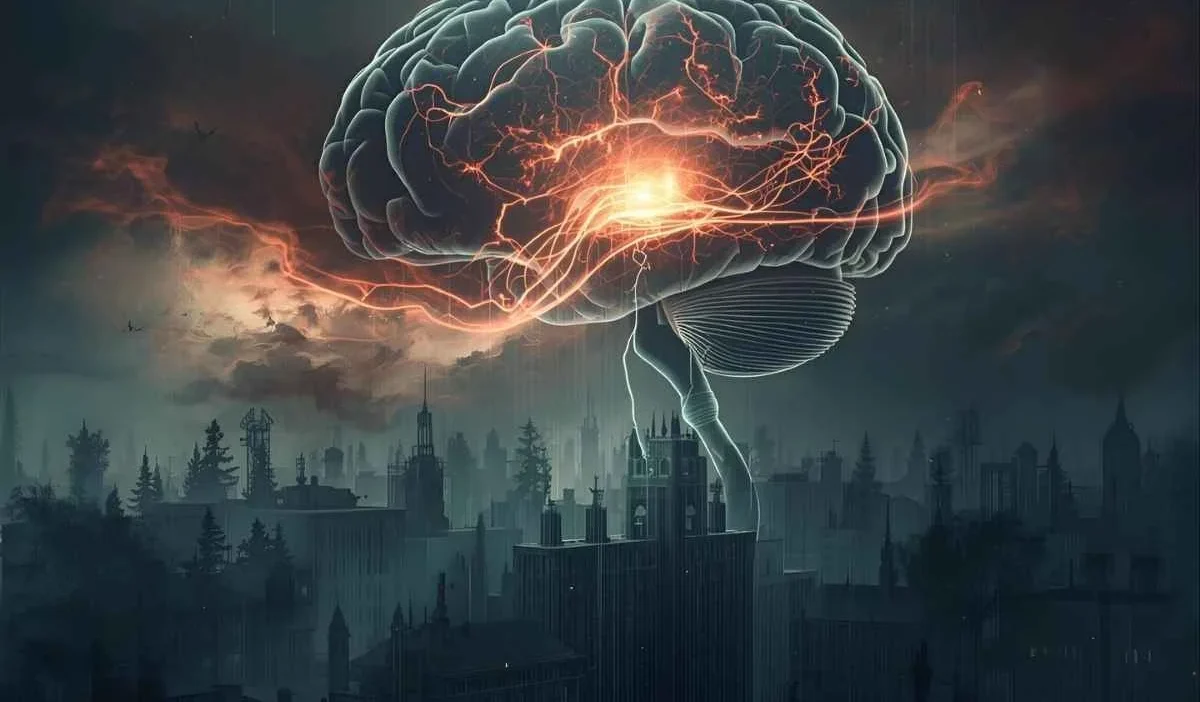
When trauma occurs, the brain stores intense emotions and fragmented memories in the amygdala and hippocampus. During REM sleep, your mind attempts to reorganize and integrate these fragments. That’s why dreams after trauma can be vivid, repetitive, or emotionally charged.
Key Insight:
- Traumatic dreams often replay the emotional essence of an event, not the literal memory.
- Dreams act as a bridge between emotional healing and conscious awareness.
In short, your dreams can become a stage where the subconscious rehearses recovery.
Dream About Teeth Falling: Symbolism & What It Reveals in 2025
🔍 The Science Behind Trauma Dreams
Researchers from sleep laboratories worldwide have found compelling evidence that dreams serve as a form of emotional regulation. Here’s how:
| Stage | Brain Function | Trauma-Dream Impact |
|---|---|---|
| REM Sleep | Heightened emotional memory processing | Emotional release, vivid imagery |
| Deep Sleep | Physical recovery | Reduced anxiety hormones |
| Hypnagogic State | Transition between wake and sleep | Flashbacks or intrusive imagery |
Modern studies (2023–2025) using fMRI scans reveal that during REM, the amygdala — the brain’s fear center — stays active, while rational regions temporarily rest. This allows unprocessed trauma to surface symbolically, making dreams a natural “therapist” for the mind.
💔 Types of Trauma-Related Dream
Not all trauma dreams are the same. Some are frightening, others surprisingly peaceful. Here are a few common types:

1. Recurrent Dreams
These repeat the same theme or situation, often linked to unresolved emotional pain.
Example: A car crash survivor repeatedly dreams of losing control of a vehicle.
2. Symbolic Dreams
Trauma hides behind metaphors — drowning, falling, or being chased often symbolize fear or powerlessness.
3. Healing Dreams
Over time, some people experience dreams that reflect progress — such as finding peace, meeting a helper, or surviving danger.
4. Nightmares and Flashback Dreams
These mirror PTSD symptoms, where the trauma feels relived rather than symbolized.
5. Dreams of Transformation
As healing begins, traumatic symbols can evolve — dark rooms become lit, storms clear, or lost loved ones return in peace.
🌿 Benefits of Understanding the Trauma-Dream Connection
Exploring the trauma and dream link isn’t just fascinating — it’s deeply healing. Here are some benefits you can experience:

- Emotional Release: Dreams can express suppressed emotions like guilt, fear, or grief.
- Self-Awareness: Recognizing patterns reveals where healing is still needed.
- Stress Reduction: Interpreting dreams decreases anxiety about recurring nightmares.
- Healing Progress Tracking: Changes in dream tone can reflect emotional growth.
- Improved Sleep Quality: Addressing trauma helps reduce insomnia and restless nights.
- Enhanced Creativity: Many artists, writers, and healers draw inspiration from dream imagery.
- Spiritual Connection: Dreams often carry transcendent or symbolic meaning, offering comfort and guidance.
🪞 How to Interpret Trauma Dreams (Step-by-Step)
Understanding your dreams is like learning a new language — your own emotional language. Here’s a simple process you can follow:
Step 1: Keep a Dream Journal
Write down your dream immediately after waking up. Note:
- Emotions felt
- Symbols or recurring themes
- Colors, settings, or people
Step 2: Identify Emotional Tone
Ask yourself: What did I feel during this dream? Fear, relief, sadness, anger?
Emotion is the key to meaning.
Step 3: Connect to Real-Life Events
Link dream emotions to waking life situations.
Example: If you dream of drowning, perhaps you feel emotionally “overwhelmed” in real life.
Step 4: Look for Change Over Time
Are your dreams shifting from chaotic to calmer? That’s a sign of progress.
Step 5: Discuss with a Therapist
A trauma-informed therapist or dream analyst can help decode patterns without judgment.
⚖️ Common Mistakes in Understanding Trauma Dreams
Even well-intentioned dreamers sometimes misread what their subconscious is saying. Here are pitfalls to avoid:

- Taking dreams literally: The dream of “falling” isn’t about gravity — it’s about losing control or safety.
- Ignoring recurring symbols: Repetition signals unresolved emotional tension.
- Over-interpreting single dreams: Focus on long-term patterns, not isolated dreams.
- Avoiding painful emotions: Suppressing nightmares only delays healing.
- Relying solely on online meanings: Your dream language is personal, not generic.
💬 Real-Life Examples: When Dreams Become Healers

Case 1: The Firefighter’s Dream
After surviving a building collapse, a firefighter repeatedly dreamed of climbing a burning staircase. Months later, the dream shifted — the fire turned into sunlight. His therapist noted this as a sign of post-traumatic growth.
Case 2: The Heartbreak Dream
A woman who lost her partner dreamt nightly of searching endless hallways. Over time, she began to find open doors and soft light. Her grief was slowly transforming into acceptance.
Case 3: The Childhood Trauma Dream
A man with a history of neglect dreamt of being invisible. As he worked through therapy, he began appearing in his own dreams — a symbolic rebirth of self-worth.
These examples show how dreams mirror emotional evolution — from pain to integration.
🔮 Cultural and Historical Roots of Trauma Dreams
Dreams and trauma are ancient companions. Across civilizations, people believed that nightmares were not punishments, but messages.

- Ancient Egypt: Dream temples helped healers interpret dreams for emotional purification.
- Indigenous Traditions: Many Native cultures view dreams as spirit messages guiding recovery.
- Freud (1900): Saw dreams as “the royal road to the unconscious.”
- Carl Jung: Described dreams as a self-regulating mechanism balancing the psyche.
- Modern Neuroscience (2025): Views trauma dreams as a neuro-emotional feedback loop — part of the brain’s built-in therapy system.
Understanding this lineage reminds us that dream healing is both ancient wisdom and cutting-edge science.
🧭 Practical Tips to Heal Through Dreams
If you’re experiencing trauma-related dreams, here are ways to support your healing journey:
- Create a bedtime ritual – Gentle breathing or journaling helps calm the nervous system.
- Use grounding affirmations – “I am safe now” before sleep reinforces security.
- Avoid stimulants before bed – Caffeine or screens can intensify dream vividness.
- Practice lucid dreaming techniques – Learn to shift distressing dreams into empowering ones.
- Incorporate aromatherapy – Lavender and chamomile can promote restful sleep.
- Work with trauma specialists – EMDR or somatic therapy can reduce nightmare frequency.
- Engage in creative expression – Paint or write about recurring dream symbols.
- Prioritize physical rest – A healthy body supports emotional processing.
🔥 2025 Insights: New Trends in Trauma & Dream Research
Dream science has advanced rapidly in recent years. Here’s what’s new in 2025:
- AI Dream Tracking Apps: Tools like “Mindscape” and “REMalyze” now help users log and analyze emotional themes using AI sentiment analysis.
- Virtual Reality Exposure Therapy (VRET): Being used to simulate dream-like reprocessing for trauma patients safely.
- Neurofeedback Technology: Helps regulate brainwave activity to reduce trauma-related nightmares.
- Integration with Mental Health Apps: Apps now combine CBT, mindfulness, and dream journaling in one ecosystem.
- Community Healing Circles: Online dream-sharing groups offer collective emotional support and pattern recognition.
The line between psychology, neuroscience, and technology is blurring — and the results are promising for trauma recovery.
❓ FAQs: Understanding the Trauma and Dream Link
1. Why do trauma survivors have more vivid dreams?
Because the brain is working overtime to process unhealed emotions. Dreams act like emotional detox sessions for the subconscious.
2. Are nightmares a sign of healing or worsening trauma?
They can be both. Frequent nightmares may signal emotional overload, but when themes evolve (e.g., escaping danger), it often indicates healing progress.
3. Can trauma dreams ever completely stop?
For many, yes. With therapy, self-awareness, and emotional work, trauma dreams often fade or transform into neutral or positive experiences.
4. Should I analyze every dream I have?
No — focus on emotionally intense or recurring dreams. They carry the richest insights.
5. Can medication affect trauma-related dreams?
Yes. Some antidepressants or PTSD medications can either suppress or intensify REM cycles, changing dream recall.
6. How can I tell if my dream is trauma-related or just random?
If it stirs strong emotions or mirrors real-life fears, it’s likely linked to unresolved experiences.
🌅 Key Takeaways
- The trauma and dream link shows how your subconscious transforms pain into healing symbols.
- Dreams offer a safe emotional outlet for processing trauma.
- Awareness, journaling, and therapy can help you decode their language.
- Modern tools and psychological research (2025) make dream analysis more accessible than ever.
- Healing is a journey — and your dreams are both the map and the compass.
💖 Conclusion: Listen to the Night, Heal in the Light
Dreams are not random. They are emotional mirrors, reflecting what your conscious mind hides. When trauma leaves unspoken wounds, your dreams speak for you — in symbols, sensations, and stories.
In 2025, as mental health becomes more holistic, understanding the trauma and dream link empowers you to transform fear into insight and nightmares into messages of hope.
So tonight, when your mind drifts into dreamland, remember: your subconscious isn’t punishing you — it’s guiding you home to healing.

“Evelyn Hartwell, a spiritual dream guide at DreamyDrug.com, interprets symbolic dreams and emotional patterns to help readers understand their inner world.”