The Hidden Language Beneath Our Awareness
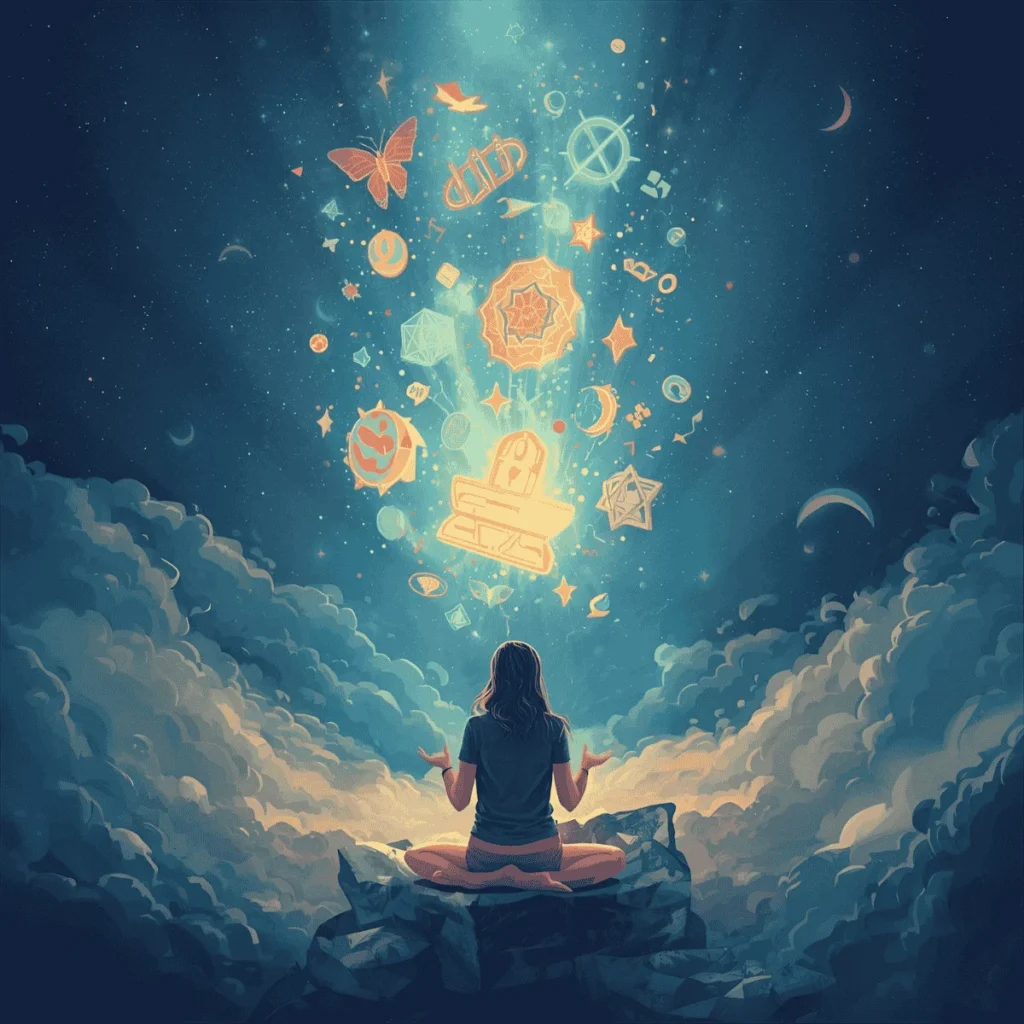
Have you ever woken from a dream filled with strange images — a key, a door, a falling feather — and wondered what it meant? Those moments are glimpses into a mysterious realm that quietly shapes your thoughts, emotions, and decisions: the subconscious mind.
In 2025, as more people explore mindfulness, dream analysis, and personal transformation, understanding symbols in the subconscious has become a key to decoding our inner world. These symbols act as emotional shortcuts — messages from the deeper layers of the psyche that guide, warn, and heal us if we learn to interpret them.
Let’s explore what these symbols really are, why they appear, and how you can use them to unlock self-awareness, creativity, and emotional balance.
What Are Symbols in the Subconscious?
At its core, a subconscious symbol is an image, pattern, or feeling that represents something deeper than what appears on the surface. It’s how your mind communicates abstract emotions and buried memories using visual or sensory cues.
Carl Jung, the Swiss psychiatrist who pioneered Jungian dream analysis, believed that the subconscious speaks in the language of symbols — a “psychic alphabet” made up of archetypes like the mother, the shadow, the hero, and the child.
These symbols can appear in:
- Dreams: representing unresolved emotions or hidden desires.
- Art or writing: revealing unconscious themes or motivations.
- Daily life: repeating numbers, objects, or patterns that “catch your eye.”
In short, subconscious symbols are your mind’s way of saying what words cannot.
Dreams and Hidden Desires: Unlocking the Secret of Mind 2025
Why Understanding Subconscious Symbols Matters in 2025
In an age of digital overload and AI-driven attention, people are more disconnected from their inner selves than ever. Recognizing symbols in the subconscious helps bridge that gap — allowing you to access your intuitive intelligence.
Key Benefits
- Emotional clarity: Identify what your mind is trying to process beneath awareness.
- Self-healing: Understand recurring patterns of fear, love, or resistance.
- Decision-making: Trust your intuition when logic feels uncertain.
- Creativity: Artists, writers, and creators draw inspiration from symbolic imagery.
- Mindfulness: Strengthen your connection to your authentic self.
When you interpret your symbols consciously, you turn confusion into clarity — and dreams into direction.
The Science Behind the Subconscious Symbol System
Modern neuroscience supports what Jung intuited a century ago: your subconscious never sleeps. It constantly processes data, emotions, and memories, storing them as patterns and images.
Research in 2025 cognitive psychology shows that:
- Over 90% of mental activity occurs beneath conscious awareness.
- The visual cortex and limbic system work together to encode emotional experiences as symbolic imagery.
- Recurrent symbols (like water, darkness, or doors) often correspond to universal human emotions — fear, transformation, and hope.
In essence, the subconscious uses symbols as emotional encryption. Decoding them brings suppressed feelings into light, helping you grow emotionally and spiritually.
How Dreams Process Emotions: The Nighttime Healing 2025 Guide
Common Symbols in the Subconscious (and What They Mean)
Below is a table of recurring subconscious symbols and their typical interpretations. Remember — meaning can vary based on your personal experience and culture.
| Symbol | Possible Meaning | Emotional Message |
|---|---|---|
| Water | Emotions, cleansing, rebirth | “Flow with change.” |
| Keys | Access, opportunity, understanding | “You have the power to unlock something hidden.” |
| Doors/Gates | Transition, choices, new beginnings | “A new path awaits — choose consciously.” |
| Falling | Fear, surrender, lack of control | “It’s time to let go.” |
| Animals | Instincts, shadow aspects, strength | “Reconnect with your primal wisdom.” |
| Mirrors | Self-reflection, identity | “Look deeper — who are you becoming?” |
| Fire | Passion, transformation, destruction | “Burn away the old to make space for growth.” |
How to Recognize Symbols in Your Own Subconscious
Learning to identify and interpret your subconscious symbols is like learning a new language — one that speaks in images, emotions, and sensations. Here’s a step-by-step approach:

Step 1: Keep a Dream Journal
Write down dreams immediately upon waking. Include every detail — colors, people, locations, emotions. Patterns will start to emerge over time.
Step 2: Note Emotional Reactions
Pay attention to what triggers strong emotional responses in daily life. These are symbolic signposts pointing to deeper themes.
Step 3: Use Mindful Observation
Meditate or reflect on recurring images in your mind’s eye. Ask, “What does this represent to me personally?”
Step 4: Create a Symbol Dictionary
Build your personal reference list. For example, water might symbolize freedom for one person and fear for another.
Step 5: Reflect and Integrate
Once you recognize what a symbol represents, act on it. If your dream shows a closed door, maybe it’s time to face an opportunity you’ve been avoiding.
Cultural and Historical Views on Subconscious Symbols
Symbols have guided humanity since the dawn of storytelling. From cave art to ancient mythology, every culture encoded life’s mysteries in symbolic language.

- Egyptians used hieroglyphs to express spiritual truths.
- Hindu traditions speak of chakras and mandalas as visual representations of energy.
- Native American totems symbolize protection, identity, and ancestral wisdom.
- Freud saw dream symbols as repressed desires.
- Jung expanded this into archetypes — universal motifs shared across all cultures.
In 2025, as spiritual psychology meets neuroscience, these ancient insights are being validated by modern research — proving that symbolic thought is the bridge between the conscious and unconscious mind.
Common Mistakes When Interpreting Subconscious Symbols
Many people misinterpret symbols because they rely solely on generic definitions found online. Avoid these pitfalls:
- Ignoring personal context – A snake might mean danger to one person and healing to another.
- Overanalyzing everything – Not every symbol carries deep meaning; sometimes, the mind just processes daily residue.
- Relying only on external interpretations – Use dream dictionaries as guidance, not gospel.
- Neglecting emotion – The feeling attached to a symbol is often the real message.
In short: the meaning is personal, not universal.
Expert Tips for Understanding and Using Subconscious Symbols
Here are some practical, expert-backed ways to deepen your understanding:
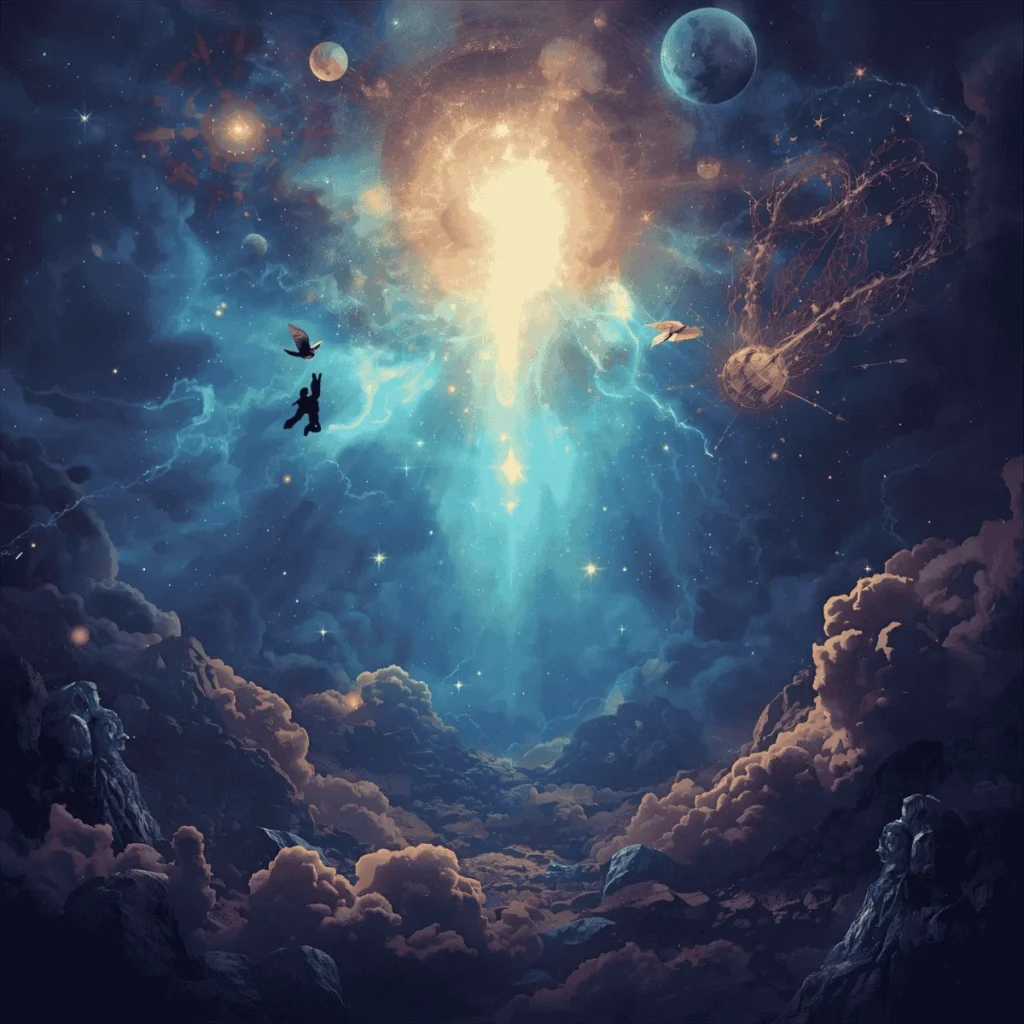
- Practice active imagination (a Jungian technique): visualize the symbol, interact with it, and record what it tells you.
- Use art therapy: draw or paint recurring images — creativity often reveals subconscious messages.
- Analyze recurring dreams: frequency indicates importance.
- Work with a trained dream analyst or therapist to decode complex or disturbing symbols.
- Engage the body: yoga, breathwork, or dance can release symbolic emotions stored physically.
These techniques transform the symbolic into the tangible — helping you embody insights rather than just intellectualize them.
Modern Trends (2025): AI and the Subconscious Mind
The intersection of artificial intelligence and subconscious exploration is one of 2025’s most fascinating trends.
- AI Dream Journaling Apps now analyze symbolism patterns to help users understand emotional trends.
- Digital therapy platforms integrate Jungian analysis with cognitive-behavioral feedback.
- VR meditation tools allow you to “enter” symbolic environments — walking through your subconscious landscape virtually.
These innovations merge ancient wisdom with modern technology, offering deeper self-awareness than ever before.
Real-Life Example: A Symbol That Changed Direction
Consider Sarah, a designer who kept dreaming of losing her shoes — a symbol of feeling “unprepared.” Through reflection, she realized she had been doubting her readiness to start her own studio. By acting on this subconscious cue, she embraced her independence — and the dream disappeared.
That’s how powerful subconscious symbols can be: they reveal what your heart already knows but your mind resists.
FAQs About Symbols in the Subconscious
1. Are subconscious symbols the same for everyone?
No. While some archetypes (like the mother or hero) are universal, their meanings shift based on personal experience and cultural background.
2. Can I control the symbols that appear in my dreams?
Not entirely, but through lucid dreaming or intention-setting before sleep, you can influence how they appear and respond.
3. How can I tell if a symbol is significant or random?
If a symbol repeats frequently or triggers strong emotion, it’s likely meaningful. Random imagery often fades quickly.
4. What’s the difference between conscious and subconscious symbolism?
Conscious symbols are chosen deliberately (like a logo). Subconscious symbols arise spontaneously from your deeper mind.
5. Is interpreting symbols a form of therapy?
Yes, it can be deeply therapeutic when done mindfully — especially in dream work or guided introspection.
6. Do technology and media affect subconscious symbolism?
Absolutely. Modern imagery — like digital screens, robots, or phones — now appears frequently in dreams, reflecting collective adaptation to the digital age.
Key Takeaways
- Symbols in the subconscious are the mind’s emotional language.
- Understanding them enhances emotional intelligence, creativity, and healing.
- Personal context matters more than universal definitions.
- Modern technology in 2025 supports deeper subconscious exploration.
- Interpreting symbols bridges the gap between who you are — and who you’re becoming.
Conclusion: Listening to the Whisper Within
Your subconscious is always speaking — not in words, but in symbols, sensations, and dreams. The more you pay attention, the more clearly you’ll hear its guidance.
In 2025’s fast-paced world, tuning into symbols in the subconscious isn’t just spiritual practice; it’s an act of self-awareness. By understanding this inner language, you unlock your mind’s wisdom — transforming confusion into clarity and ordinary moments into messages of meaning.
So tonight, when you dream or notice a sign that feels familiar, pause. Your subconscious might be telling you something extraordinary — in its own timeless, symbolic way.Unlock the meaning of symbols in the subconscious. Explore how hidden images and dreams reveal emotions, insights, and self-awareness in 2025.

“Evelyn Hartwell, a spiritual dream guide at DreamyDrug.com, interprets symbolic dreams and emotional patterns to help readers understand their inner world.”