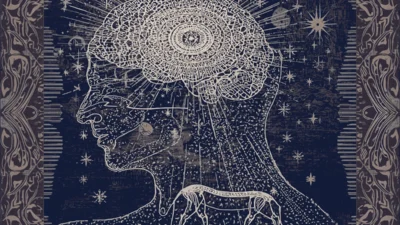

Ever wondered what happens when your waking awareness meets your dream world? In 2025, more people than ever are exploring the connection between mindfulness and dreams—a fascinating bridge between conscious living and the mysterious depths of the subconscious.
Mindfulness, the art of staying present, is no longer confined to meditation mats. Combined with dream awareness, it offers a transformative way to heal, grow, and understand yourself more deeply. Whether you’re curious about lucid dreaming, emotional healing, or personal insight, learning to blend mindfulness with dreaming can open doors to self-discovery that feel both magical and practical.
What Is the Connection Between Mindfulness and Dreams?
Mindfulness is the practice of being fully aware and accepting of the present moment without judgment. Dreams, on the other hand, are symbolic reflections of your inner emotions, thoughts, and subconscious patterns.
When you combine these two—mindfulness and dreams—you begin to consciously observe your dream experiences and integrate their lessons into your waking life. This fusion leads to greater self-awareness, emotional balance, and even enhanced creativity.
In simple terms:
Being mindful in your waking life makes your dream life clearer, and being aware in your dreams makes your waking life richer.
The Psychology Behind Mindfulness and Dreams
In psychology, dreams are often seen as mirrors of the mind. Carl Jung described them as messages from the unconscious, helping you integrate hidden aspects of yourself. Mindfulness works similarly—it helps you face thoughts and emotions without repression.
Modern neuroscientific research shows that meditation increases lucid dream frequency and improves dream recall. Both states—meditation and dreaming—activate similar brain regions linked to imagination, memory, and self-awareness.
In 2025, mindfulness-based dreamwork has gained traction in therapy, trauma recovery, and personal development programs. Apps and AI tools now track dream emotions and mindfulness levels to offer personalized insights.
Daydream vs Night Dream: Mind Science and Spiritual Meaning 🧠
Benefits of Practicing Mindfulness with Dreams
Combining mindfulness with dream awareness can lead to profound mental, emotional, and spiritual benefits.
🌙 1. Deeper Self-Understanding
You gain access to your inner fears, desires, and unresolved emotions—without judgment.
🧠 2. Emotional Regulation
Mindful dreaming helps you process anxiety, grief, or stress symbolically, reducing emotional overwhelm.
💡 3. Enhanced Creativity
Artists, writers, and innovators often use mindful dream journaling to tap into subconscious inspiration.
😴 4. Improved Sleep Quality
Mindfulness reduces insomnia and encourages peaceful sleep cycles, making dreams more vivid and restorative.
💬 5. Spiritual Growth
Dream awareness deepens your connection with intuition, promoting spiritual awakening or a sense of inner peace.
How to Practice Mindfulness and Dreams (Step-by-Step Guide)
Here’s a simple yet powerful process to connect mindfulness and dreams in your daily life.
Step 1: Set an Intention Before Sleep
Each night, take 3 deep breaths and silently affirm:
“I will remember and learn from my dreams with calm awareness.”
Setting this mindful intention programs your subconscious for awareness.
Step 2: Keep a Dream Journal
Place a notebook beside your bed. Upon waking, jot down any emotions, images, or symbols you recall—even fragments. Over time, patterns will emerge.
Step 3: Practice Morning Reflection
Before checking your phone, sit quietly and breathe. Revisit your dream mindfully. Ask:
- What emotions stood out?
- What message might my subconscious be sending me?
- How can I apply this insight today?
Step 4: Meditation for Dream Recall
Try mindful breathing or body scan meditation for 10–15 minutes before bed. This calms the nervous system and enhances dream memory.
Step 5: Lucid Dream Training (Optional)
During the day, practice “reality checks” (e.g., look at your hands and ask, “Am I dreaming?”).
Eventually, this habit carries into your dreams, helping you become lucid—aware that you are dreaming.
Real-Life Examples: How Mindfulness Transforms Dreams

✨ Example 1: The Stress-Relief Dream
Sarah, a software designer, began journaling her dreams after nightly meditation. She noticed recurring dreams of being chased. When she practiced mindful breathing during waking anxiety, the dreams transformed—she stopped running and faced her pursuer, realizing it represented her fear of failure.
🌿 Example 2: Creative Inspiration
An artist used mindful dream reflection to interpret color patterns from her dreams, leading to a new series of abstract paintings that sold internationally. Her dreams became her creative muse.
🌊 Example 3: Emotional Healing
After trauma therapy, a client practiced mindful sleep rituals. Her recurring nightmare shifted into peaceful scenes—a sign of emotional integration and healing through awareness.
Common Mistakes in Mindful Dreaming (and How to Avoid Them)
| Mistake | Why It Happens | How to Fix It |
|---|---|---|
| Forcing dream control | Leads to anxiety or poor sleep | Focus on gentle awareness, not control |
| Ignoring emotions | Misses deeper meaning | Reflect compassionately on dream feelings |
| Skipping journaling | You forget key insights | Keep a consistent dream log |
| Overanalyzing symbols | Creates confusion | Look for emotional themes, not just literal meanings |
| Lack of consistency | Breaks awareness link | Practice mindfulness daily, even briefly |
Modern Trends in Mindfulness and Dreams (2025 Insights)
The world of mindful dreaming has evolved rapidly thanks to technology and neuroscience. Here are the latest trends:

- AI Dream Interpreters: Modern apps now use emotional tone detection to offer mindfulness-based dream insights.
- Wearable Sleep Trackers: Devices measure REM sleep and vibrate gently during lucid dream phases.
- Mindfulness Retreats for Dreamwork: Wellness centers combine meditation, breathwork, and group dream circles.
- VR Meditation Spaces: Virtual environments replicate dreamlike visuals to train the mind for awareness.
- Clinical Use in Therapy: Psychologists use mindful dream techniques to treat PTSD and recurring nightmares safely.
These 2025 trends show how technology and ancient wisdom are merging to help people explore consciousness more deeply and responsibly.
Cultural and Historical Perspectives
Dream mindfulness isn’t new—it’s ancient wisdom rediscovered.
- Tibetan Buddhists practiced Dream Yoga centuries ago, using dreams to train awareness and transcend illusions.
- Indigenous cultures viewed dreams as sacred messages guiding community decisions.
- Greek philosophers like Aristotle saw dreams as reflections of health and emotional balance.
Today’s mindfulness movement builds on these traditions, blending spiritual insight with modern psychology to help people live with purpose and presence.
Expert Tips for Deepening Mindful Dreaming Practice
- Meditate at the same time daily. Routine strengthens the mind-dream connection.
- Avoid heavy screens before bed. Blue light suppresses melatonin and disrupts REM cycles.
- Use mindful affirmations. Phrases like “I am open to understanding my dreams” guide subconscious intention.
- Journal emotions, not just events. The “feeling tone” often reveals the real message.
- Stay patient. Mindful dreaming is a gentle unfolding process—results deepen with consistency.
FAQs About Mindfulness and Dreams
1. Can mindfulness really improve dream recall?
Yes! When you train your mind to stay present during the day, you naturally become more aware during the night. Mindfulness increases dream vividness and memory retention.
2. Is lucid dreaming safe?
Generally, yes—when practiced with mindfulness and proper rest. Avoid forcing control; focus on awareness and calm curiosity instead.
3. How long before I notice results?
Most people see improvement within 2–4 weeks of consistent mindfulness, journaling, and intention-setting.
4. What if I have nightmares?
Treat nightmares as emotional teachers. Mindfully observe their themes instead of fearing them—they often reflect areas of healing or stress.
5. Do I need to meditate daily to have mindful dreams?
Daily meditation strengthens the link, but even short moments of mindfulness (like mindful breathing) can make a big difference.
6. Can mindfulness and dreams help with creativity?
Absolutely. Many innovators report creative insights from mindful dream practices—because the subconscious thrives when given space to speak.
Key Takeaways
- Mindfulness and dreams form a powerful partnership for emotional healing, creativity, and self-awareness.
- Mindful dream journaling and pre-sleep meditation enhance recall and understanding.
- Modern tools (AI, apps, wearables) make dreamwork more accessible in 2025.
- Staying present—both awake and asleep—connects you with the deeper layers of your consciousness.
Conclusion
In a fast-paced, overstimulated world, mindfulness and dreams offer a path back to yourself—a bridge between your conscious goals and subconscious wisdom. Whether you seek healing, creativity, or clarity, this practice invites you to live more connected, awake, and whole.
So tonight, take a deep breath, close your eyes, and step into your inner world with awareness. Your dreams are waiting to speak—mindfulness simply gives them the microphone. 🌙

“Julian Rowe, a dream symbol researcher at DreamyDrug.com, explains spiritual messages, emotional visions, and subconscious patterns through clear, calming insights.”