
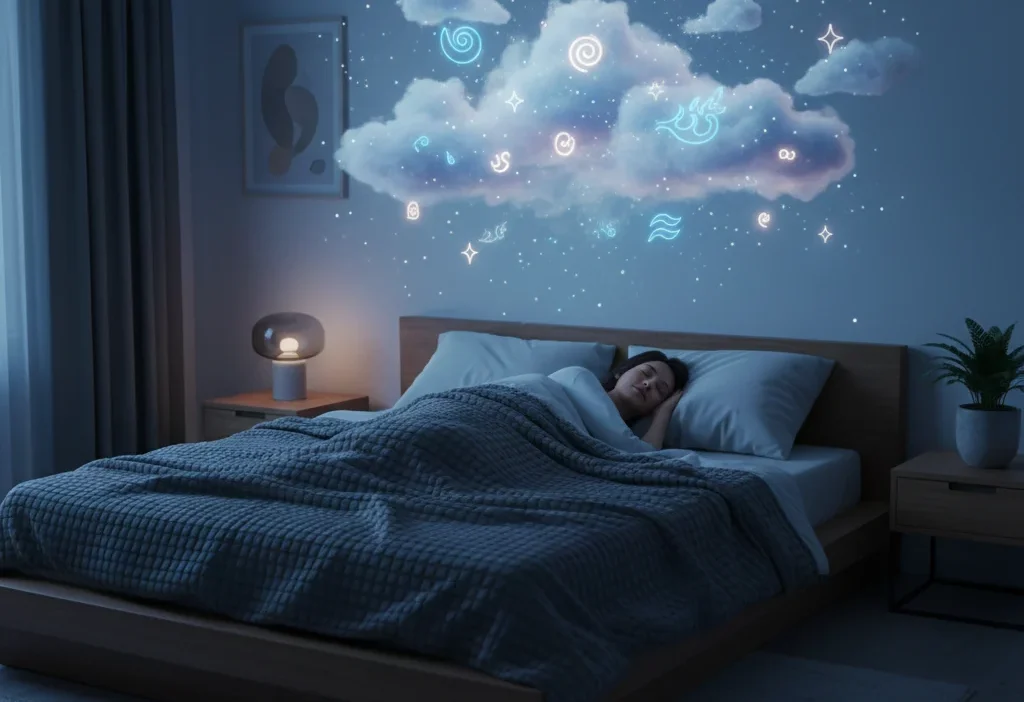
If your nights feel heavier than your days, and even peaceful dreams turn into stressful scenes, you’re not alone. Millions of people experience dream anxiety—racing heartbeats, disturbing dreams, sudden awakenings, or that suffocating feeling right before sleep. In 2025, dream anxiety is rising due to fast-paced lifestyles, overstimulation, and digital stress. That’s why understanding dream anxiety treatment is more important than ever.
This guide breaks down everything you need to know—what dream anxiety means, why it happens, and the most reliable, modern, science-backed treatment methods you can start using today.
Let’s begin by understanding the roots of this nighttime storm and how you can finally reclaim calm, deep, healing sleep.
What Is Dream Anxiety? (And Why It Happens in 2025)
Dream anxiety refers to stress, fear, or emotional tension that appears in dreams and affects sleep quality. It may show up as:
- Frequent nightmares
- Waking up anxious or breathless
- Vivid disturbing dreams
- Emotional exhaustion after sleep
- Difficulty falling back asleep after a dream
Why is dream anxiety increasing in 2025?
- Digital overload before bedtime
- Emotional burnout and chronic stress
- Unresolved trauma or long-term worry
- Overdependence on screens and social comparison
- Sleep hygiene disruptions (late-night scrolling, irregular routines)
Dreams act like emotional mirrors. When your mind carries stress into sleep, it releases it through symbolic imagery—often confusing, intense, or frightening.
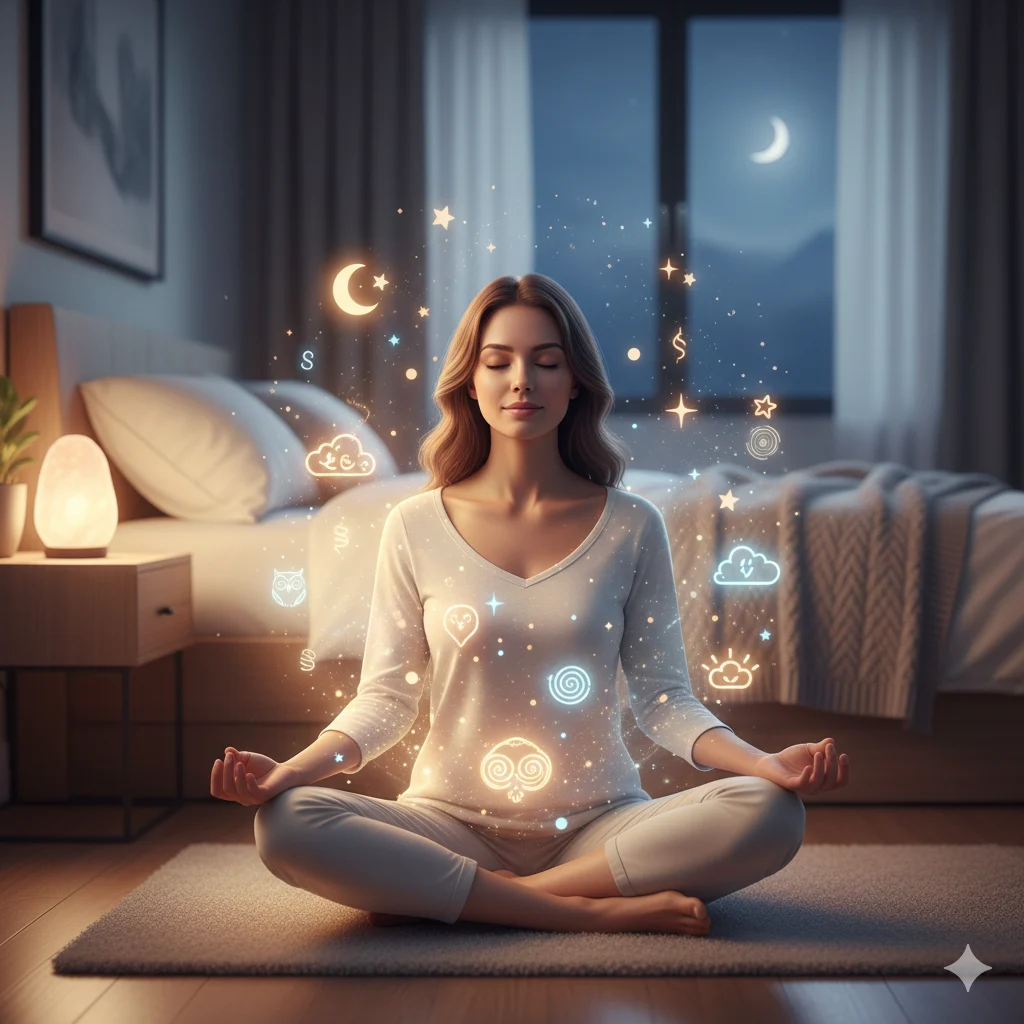
The good news? Dream anxiety treatment is highly effective when you understand the cause and apply the right strategies consistently.
Benefits of Effective Dream Anxiety Treatment
Treating dream anxiety isn’t just about sleeping better (though that alone changes everything). The benefits go much deeper:
- Better emotional regulation
- Sharper memory and focus
- Improved mental health
- Less nighttime panic or hyperarousal
- More positive, meaningful dreams
- Reduced fatigue and brain fog
- Deeper REM cycles for mental recovery
Healthy dreams strengthen your inner world. When you reduce dream anxiety, you feel lighter, calmer, and more grounded in your daily life.
Best Dream Anxiety Treatment Methods
Below are the most effective and updated treatment strategies recommended by sleep psychologists, neuroscientists, and dream researchers in 2025.
1. Sleep Routine Stabilization
A regular schedule creates stability in the subconscious mind.
How to Apply It
- Sleep and wake up at the same time daily
- Avoid screens 1 hour before bedtime
- Keep bedroom cool, dark, quiet
- Use a weighted blanket for deep pressure relief
- Limit caffeine after 2 PM
This alone reduces dream anxiety in 30–40% of people.
2. Cognitive Behavioral Therapy for Dreams
CBT-D addresses the root emotional triggers behind stressful dreams.
What It Does
- Reframes negative thought patterns
- Reduces subconscious fear
- Breaks emotional associations triggering bad dreams
Example
If you dream of being chased, therapy explores what you’re avoiding in waking life—conflict, decision-making, or overwhelming responsibility.
3. Dream Rewriting Technique
This scientifically supported method rewires your dream pathways.
How It Works
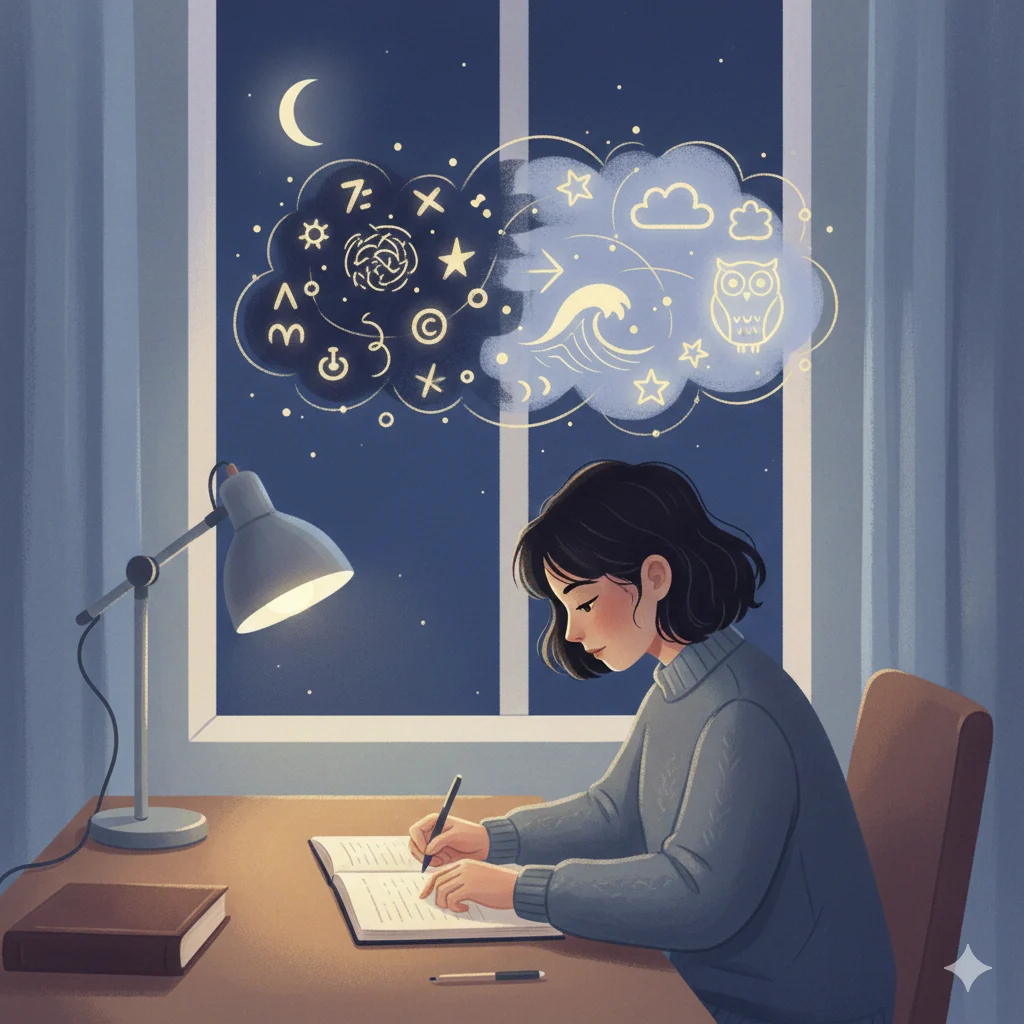
- Write the nightmare in a notebook
- Rewrite it with a peaceful, positive ending
- Visualize the new version daily for 5 minutes
- Repeat for 7–14 days
This technique works especially well for recurring nightmares and trauma-related dream anxiety.
4. Breathwork & Somatic Calming Exercises
Anxiety stored in the body leaks into dreams. Releasing it reduces emotional intensity.
Techniques
- Box breathing
- 7–11 slow breathing
- Body scanning
- Progressive muscle relaxation
Before Sleep Routine
Do 3 minutes of deep breathing → 2 minutes shoulder release → 1 minute calm visualization.
This resets your nervous system.
5. Mindfulness Dream Practices
Mindfulness reduces intrusive dream imagery and emotional overflow.
Recommended exercises:
- Guided sleep meditations
- Gratitude journaling
- Mindful shower before bed
- Evening reflection ritual (3 thoughts, 3 emotions, 3 releases)
Mindfulness lowers amygdala activity, the brain center responsible for fear-driven dreams.
6. Herbal & Natural Supplements
Popular natural treatments include:
- Magnesium glycinate – calms nervous system
- Chamomile – reduces anxiety
- Ashwagandha – balances cortisol
- Lavender oil – improves dream quality
- Valerian root – helps deeper REM sleep
Always consult a professional before starting supplements.
7. Limiting Emotional Overload Before Sleep
Your brain continues processing emotional intensity during dreams.
Avoid these before bed:
- Drama-filled TV shows
- Heavy arguments
- Doom scrolling
- Horror content
- Work emails
Replace them with calming activities like reading, stretching, or quiet music.
8. Digital Detox for Dream Repair
In 2025, digital stress dreams are extremely common—phones ringing, work notifications, losing devices, failing online exams, etc.
Dream Anxiety Treatment Tip
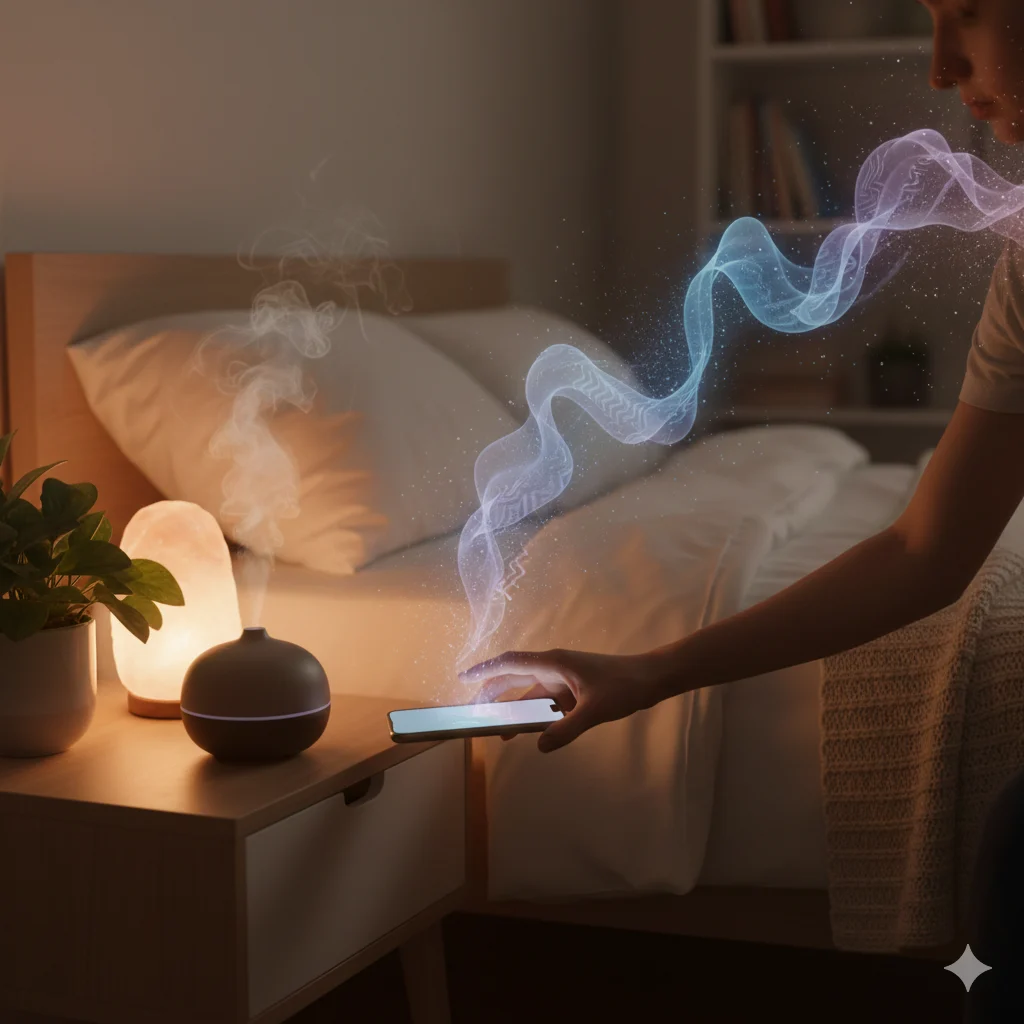
- Stop all screen use 90 minutes before bed
- Use blue-light filters
- Keep phone outside the bedroom
- Avoid TikTok, short videos, overstimulating content
This reduces dream intensity and nighttime overstimulation.
9. Healing Unresolved Emotional Conflicts
Dreams often reflect emotional pressure you haven’t consciously addressed.
Signs You Need Emotional Healing
- Repetitive dream themes
- Dreams featuring past trauma
- Sudden emotional breakdowns after sleep
- Waking with sadness or fear
Talking with a therapist or practicing emotional release rituals helps break the cycle.
10. Tracking Dream Patterns With 2025 Apps
Dream tracking apps have improved with AI, offering:
- Emotional scoring
- Dream triggers
- Sleep quality trends
- Suggestions for reducing dream anxiety
- Personalized soothing audio
Popular apps (2025):
- DreamAI
- CalmMind Night
- Sleeplens
Tracking builds self-awareness, a key part of long-term treatment.
Step-by-Step Dream Anxiety Treatment Plan
A simple daily routine for beginners:
Morning
- Write 2–3 lines about your dream
- Note emotional intensity (1–10)
- Identify main symbol or theme
Afternoon
- Practice emotional grounding (quick meditation)
- Reduce caffeine
- Engage in stress-relief activities
Night
- Avoid screens
- Do 5 minutes breathing exercise
- Journal your worries (emptying the mind)
- Set intention for peaceful sleep
Weekly
- Review dream journal patterns
- Apply dream rewriting technique
- Adjust sleep environment
This consistent routine shows noticeable improvement within 2–4 weeks.
Real-Life Scenarios (Relatable Examples)
Scenario 1: Stressful Work Dream Cycle
Sara keeps dreaming she is late for work.
Treatment:
- Sleep routine stabilization
- Stress journaling
- Reducing digital usage
After 3 weeks, her dreams become less intense and she wakes up calmer.
Scenario 2: Trauma Triggering Nightmares
Ahmed experiences recurring chase nightmares rooted in childhood trauma.
Treatment:
- CBT-D
- Image rehearsal therapy
- Breathwork
He begins sleeping peacefully after two months of therapy.
Scenario 3: New Mother Overwhelm
A new mother sees dreams of losing her baby due to exhaustion and emotional pressure.
Treatment:
- Emotional validation therapy
- Mindfulness
- Magnesium
Her anxiety reduces when her sleep schedule stabilizes.
Common Mistakes to Avoid When Treating Dream Anxiety
- Ignoring your emotional triggers
- Watching disturbing content before sleep
- Using sleeping pills without guidance
- Suppressing emotions instead of processing them
- Drinking caffeine too late
- Sleeping in a noisy or bright environment
Mistakes prolong dream anxiety and reduce treatment success.
2025 Trends in Dream Anxiety Treatment
- AI-based dream decoding
- Neurofeedback relaxation headbands
- Smart beds adjusting to stress signals
- Mindfulness VR experiences
- Trauma-informed sleep therapy
- Adaptive soundscapes syncing with REM cycles
These innovations make dream healing more personalized and accessible.
Cultural and Symbolic Meaning of Anxiety Dreams
Different cultures interpret anxiety dreams differently:
- Eastern traditions – dreams reflect suppressed emotions and spiritual imbalance
- Western psychology – dreams reveal subconscious fears
- Indigenous communities – dreams are messages from intuition or ancestors
Understanding cultural roots helps in interpreting the emotional message behind your dreams.
FAQs About Dream Anxiety Treatment
1. What causes dream anxiety?
Emotional stress, trauma, digital overload, sleep disturbances, and unresolved worries.
2. How long does dream anxiety treatment take?
Most people notice improvement within 2–6 weeks, depending on consistency.
3. Are nightmares dangerous?
They’re not physically dangerous, but constant bad dreams can weaken emotional health and sleep quality.
4. Can lifestyle changes alone stop dream anxiety?
Yes, for many people lifestyle improvements drastically reduce dream anxiety.
5. Should I see a specialist?
Yes, if your dream anxiety causes daily distress, trauma-related dreams, or impacts functioning.
Key Takeaways
- Dream anxiety is rising in 2025 due to emotional overload and digital stress
- Treatments: CBT-D, dream rewriting, mindfulness, sleep routine, supplements, digital detox
- Daily consistency is the secret to reducing nighttime stress
- Dreams communicate inner needs—listening to them brings healing
- Peaceful sleep is possible with the right approach and steady effort
Conclusion
Dream anxiety doesn’t have to control your nights or your days. With the right dream anxiety treatment, emotional awareness, and modern techniques, you can finally create a safe mental space for peaceful, restorative sleep. In 2025, your dreams can become your teachers—not your fears.
Start small, stay consistent, and trust your inner healing process. Your mind is capable of rewriting not just your dreams, but your entire emotional landscape.
Sweet, peaceful sleep is waiting for you.