

Creative dream reflection is the practice of exploring your dreams through writing, drawing, storytelling, or other creative activities 🎨🌙. Instead of simply recording what happened, this approach helps you examine dream symbols, emotions, and themes to gain deeper insight into your thoughts and experiences.
Many people use creative dream reflection to understand recurring dreams, uncover personal meanings, and connect with their imagination. Psychology suggests that reflecting on dreams creatively can improve self-awareness, emotional processing, and problem-solving by encouraging you to look at your dreams from different perspectives.
In this guide, you’ll discover creative dream reflection techniques and how to use them effectively. Whether you enjoy journaling, sketching, or creative writing, these methods can help you better understand your dreams, boost creativity, and strengthen your connection with your subconscious mind ✨.
What Is Creative Dream Reflection?
Creative dream reflection is the mindful practice of analyzing your dreams using imagination, emotional awareness, symbolism, journaling, and intuitive interpretation. It goes beyond traditional dream interpretation by encouraging you to explore:
- How your dreams relate to your emotions
- What hidden desires or fears they reveal
- How symbolic messages can guide your decisions
- How creativity can help unlock deeper meaning
In 2026, mental wellness experts highlight this practice as a hybrid of dream journaling, mindfulness, and symbolic analysis—offering a personal, artistic way to understand inner experiences.
Why Creative Dream Reflection Matters in 2026
With rising interest in emotional intelligence, spiritual wellness, and subconscious exploration, dream reflection has become a trending self-growth tool. People are using dreams to:
- Gain clarity during life transitions
- Understand stress and emotional triggers
- Spark creativity
- Strengthen problem-solving
- Connect to intuition
As AI-powered dream journals and wellness apps become common, people now have more ways than ever to track patterns and decode recurring images.
Benefits of Creative Dream Reflection
Here are the top advantages backed by psychological insights and modern wellness trends:
1. Emotional Awareness
Dreams often reflect emotions you suppress or overlook. Creative dream reflection helps you identify:
- Stress triggers
- Deep fears
- Hidden desires
- Loneliness, joy, anger, or unresolved emotions
2. Better Decision-Making
Dream symbolism often mirrors real-life dilemmas. Reflecting on it provides clarity for personal and professional decisions.
3. Enhanced Creativity
Artists, writers, and creators frequently use their dreams for inspiration. Dream reflection sparks:
- Story ideas
- Visual concepts
- Emotional themes
- Unexpected insights
4. Personal Healing
Dreams can reveal wounds, childhood memories, or emotional blocks needing attention.
5. Improved Sleep Quality
The more you understand your dream patterns, the easier it becomes to build healthier sleep habits.
How Creative Dream Reflection Works: A Step-by-Step Guide
Here’s a simple, practical how-to approach you can start today:
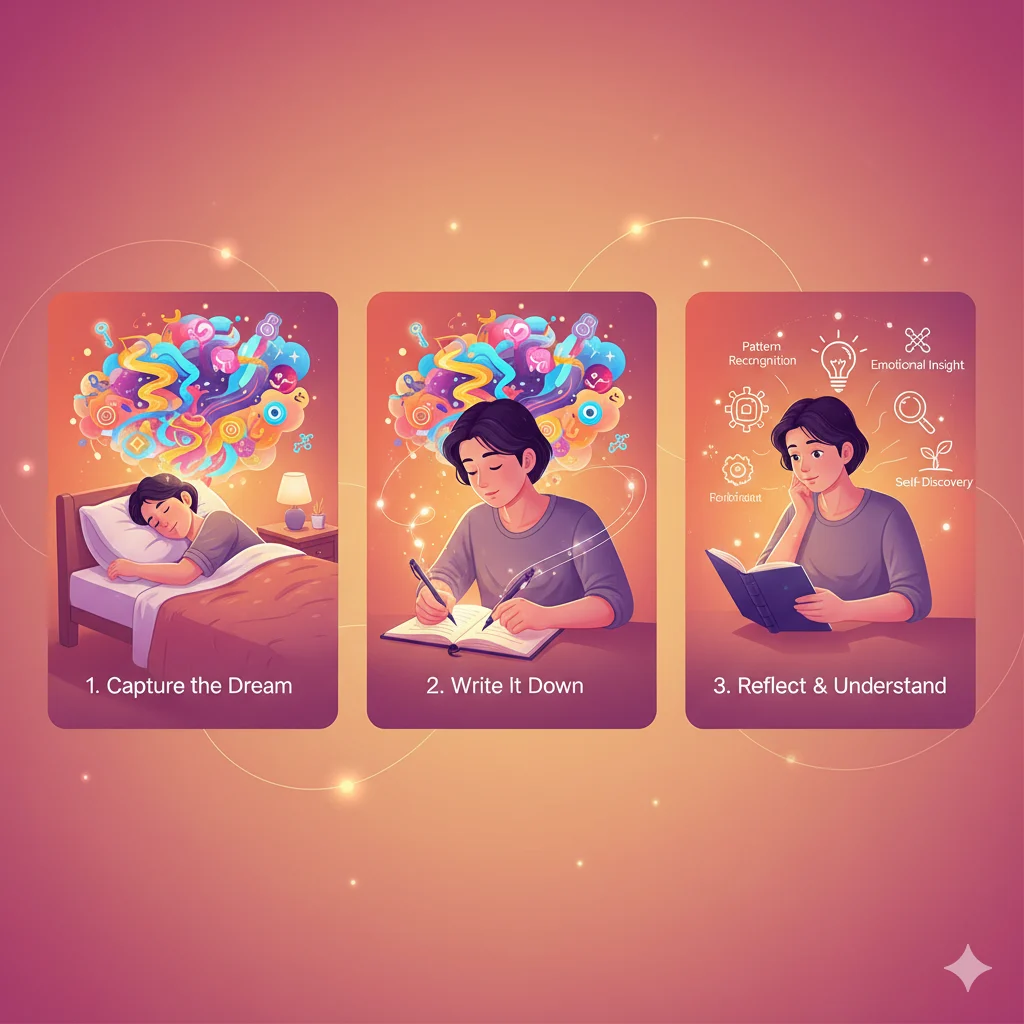
Step 1: Record the Dream Immediately
Write everything you remember—even fragmented scenes.
Include:
- Emotions
- Colors
- People
- Actions
- Symbols
- Locations
- Sounds
Step 2: Highlight Emotional Peaks
Ask yourself:
- When did the dream feel the strongest?
- What emotion was present?
- Did that emotion appear in your waking life recently?
Step 3: Identify Symbolic Elements
Common dream symbols include:
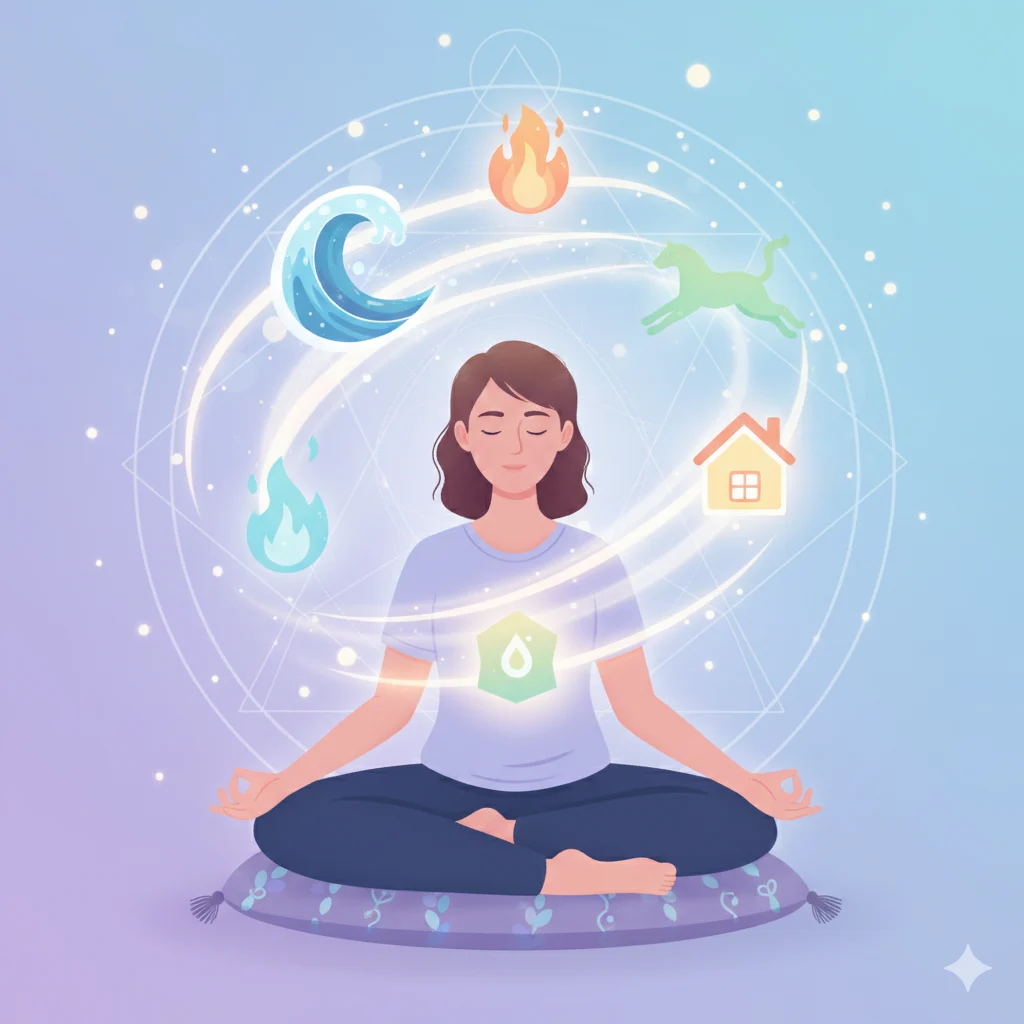
- Water (emotions)
- Fire (transformation)
- Houses (mind or identity)
- Roads (life direction)
- Animals (instincts or hidden traits)
Don’t rely on rigid meaning lists—use intuition and personal context.
Step 4: Connect the Dream to Real Life
Reflect on these questions:
- Is the dream mirroring a real-life stress?
- Does it express a desire I haven’t addressed?
- Is it repeating a theme?
- Is it showing a fear I avoid?
Step 5: Use a Creative Method to Decode It
Creative tools help deepen the reflection:
- Mind-mapping
- Sketching dream scenes
- Writing a fictional version of the dream
- Creating symbols and metaphors
- Voice notes explaining insights
Step 6: Find the Message or Lesson
Every dream contains a seed of meaning. Look for:
- Change you need
- Emotional truth
- Advice from your subconscious
- Warnings
- Inspiration
Step 7: Apply the Insight
Turn your reflection into action. This may include:
- Setting boundaries
- Healing old emotions
- Starting a new project
- Changing habits
- Letting go of negativity
Real-Life Examples of Creative Dream Reflection
Example 1: The Dream of a Locked House
You dream of standing outside a locked house.
Reflection insight: You may feel closed off from a part of yourself—your creativity, relationships, or emotional truth.
Example 2: Flying Over Water
You soar above an endless ocean.
Reflection insight: Freedom from emotional pressure; readiness to rise above stress.
Example 3: Losing a Bag
You search for a missing bag in a crowded market.
Reflection insight: You may feel overwhelmed or afraid of losing control or identity.
Common Mistakes in Dream Reflection (And How to Avoid Them)
1. Taking Symbols Too Literally
Dreams speak in metaphors, not exact messages.
2. Ignoring the Emotional Tone
The emotion is often more important than the imagery.
3. Forgetting to Record Dreams
Memory fades fast—record them within the first 3 minutes of waking.
4. Overthinking Small Details
Some dream fragments are noise; focus on themes.
5. Using Someone Else’s Meanings
Symbolism is deeply personal—your meaning matters most.
Modern 2026 Trends in Creative Dream Reflection
1. AI-Powered Dream Journaling Apps
These apps recognize patterns, recurring symbols, and emotional cycles.

2. VR Dream Visualizers
Users recreate dream environments in virtual reality for deeper reflection.
3. Emotional Pattern Trackers
Wearable devices monitor stress waves and match them with dream themes.
4. Dream-Based Therapy Sessions
More therapists use creative dream reflection as part of mental wellness plans.
5. Community Dream Circles
Online groups share dream insights and help decode symbolism collaboratively.
Cultural and Historical Roots of Dream Reflection
Dream interpretation dates back thousands of years:
- Ancient Egypt believed dreams were messages from higher realms.
- Greek philosophers viewed dreams as reflections of inner truth.
- Indigenous cultures used dream journeys for healing and guidance.
- Freud and Jung brought dream exploration into modern psychology.
Creative dream reflection blends these ancient beliefs with modern mindfulness and emotional science.
Practical Tips for Better Dream Reflection
- Keep a notebook near your bed.
- Avoid screens 30 minutes before sleep.
- Use calming music or breathing exercises.
- Set an intention: “Tonight, I want to remember my dream.”
- Describe dreams in the present tense.
- Look for repeating symbols.
- Validate your feelings without judgment.
FAQs About Creative Dream Reflection
1. Is creative dream reflection the same as dream interpretation?
No. It’s a deeper, more personal, and emotional approach that uses creativity and intuition rather than fixed definitions.
2. Can everyone practice creative dream reflection?
Absolutely. Anyone who dreams—and everyone does—can reflect creatively with the right approach.
3. How often should I reflect on my dreams?
Daily if possible. Even short dreams provide insight.
4. What if I rarely remember my dreams?
Start with intention-setting, drink enough water, and keep a journal. Dream recall improves with practice.
5. Are scary dreams meaningful?
Most nightmares highlight stress, fear, or unresolved emotions—not warnings of real danger.
Key Takeaways
- Creative dream reflection helps you understand inner emotions, desires, and fears.
- It blends creativity, symbolism, intuition, and emotional awareness.
- It enhances decision-making, creativity, healing, and personal growth.
- Modern tools in 2026 make dream reflection easier and deeper than ever.
- Your dreams are personal messages—unique windows into your subconscious.
Conclusion
Dreams hold a universe of symbolism, emotion, and hidden truth waiting to be explored. With creative dream reflection, you gain the power to transform nighttime stories into powerful guidance for your waking life.
Whether you seek healing, clarity, creativity, or self-understanding, your dreams are already speaking to you. In 2026, with new tools and deeper awareness, this is the perfect time to listen.
So tonight, pay attention. Your next dream might hold the message you’ve been waiting for.

“Julian Rowe, a dream symbol researcher at DreamyDrug.com, explains spiritual messages, emotional visions, and subconscious patterns through clear, calming insights.”