When Reality Meets Imagination 🌙✨
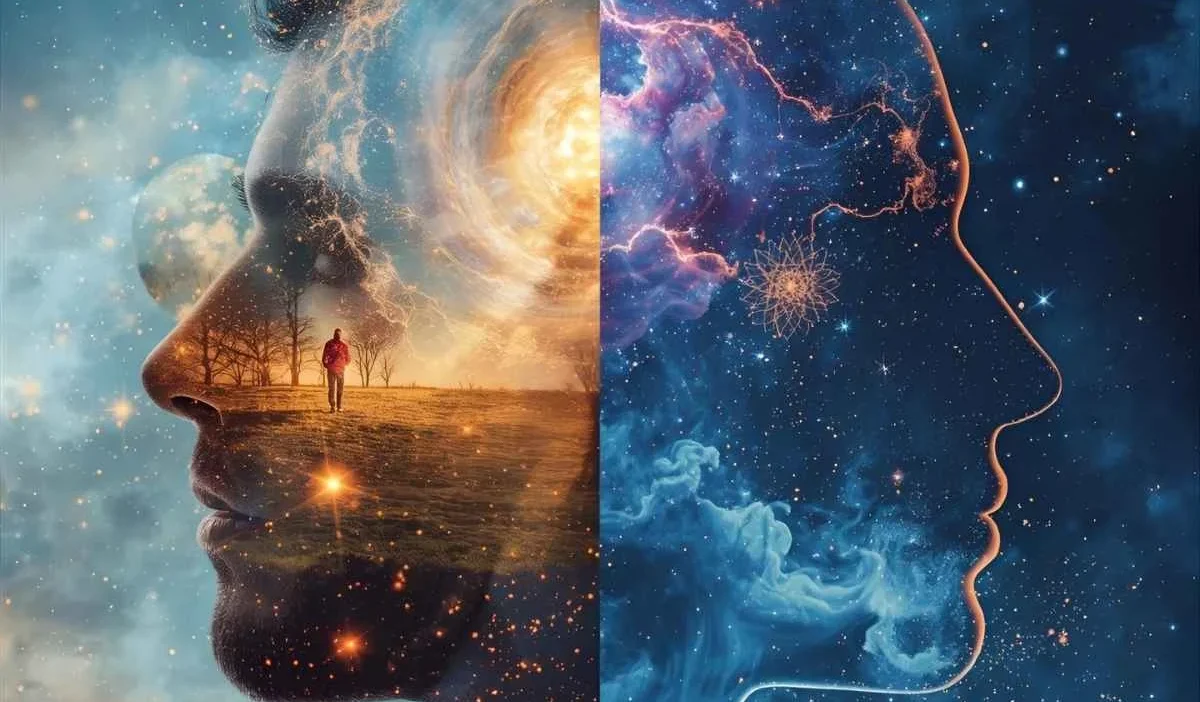
Have you ever found yourself lost in thought during a boring meeting, imagining a future vacation — only to later wake up from a vivid dream that felt just as real? Both moments take you out of the present, yet one happens when you’re awake, and the other while you’re asleep. That’s where the fascinating debate of daydream vs night dream begins.
In 2025, as neuroscience, AI, and psychology merge, our understanding of dreams—both day and night—has evolved dramatically. Scientists and dream analysts now view them not as random mental detours, but as essential tools for creativity, healing, and emotional balance.
In this guide, we’ll dive deep into the science, symbolism, and modern meaning of daydreams and night dreams — uncovering how both shape your thoughts, productivity, and even spiritual growth.
What Is a Daydream?
A daydream is a spontaneous, semi-conscious flow of thoughts or images that occurs when your attention drifts away from the external world. It’s like pressing “pause” on reality while your imagination takes over.
You’re awake, aware, and yet slightly detached. Daydreaming often happens during repetitive tasks — driving, showering, or working — when your mind craves creative escape or emotional relief.
Common Features of Daydreams
- Involve vivid imagination or wishful thinking
- Triggered by boredom, curiosity, or stress
- Often related to goals, desires, or problem-solving
- Easily interrupted by external stimuli
Example:
You’re sitting by your desk, picturing yourself winning an award or taking a solo trip to Bali. You’re not asleep, but your mind has wandered to a more inspiring version of your reality.
What Is a Night Dream?
A night dream, in contrast, occurs during the REM (Rapid Eye Movement) phase of sleep — when brain activity spikes, and vivid imagery floods your subconscious. Night dreams are often emotional, symbolic, and surreal.
They’re your mind’s way of processing emotions, memories, and unsolved tensions. Psychologists like Sigmund Freud and Carl Jung believed night dreams reveal your unconscious desires, fears, and archetypes.
Common Features of Night Dreams
- Occur during sleep, often during REM stages
- Contain emotional, symbolic, or story-like elements
- May reflect unconscious thoughts or repressed memories
- Can influence mood, creativity, and decision-making
Example:
You dream of falling endlessly — a symbol of insecurity or loss of control. While the event isn’t real, the emotion it evokes is authentic.
Explore Native American Dream Beliefs and Spiritual Interpretations
Daydream vs Night Dream: Key Differences
| Aspect | Daydream | Night Dream |
|---|---|---|
| State of Mind | Awake and conscious | Asleep and unconscious |
| Control | Somewhat controllable | Usually uncontrollable |
| Purpose | Creativity, visualization, escape | Emotional processing, memory organization |
| Content | Logical, goal-oriented | Symbolic, abstract, emotional |
| Duration | Few seconds to minutes | 5–45 minutes (multiple cycles) |
| Recall | Easy to remember | Often fades after waking up |
The Psychology Behind Daydreams (and Why They Matter)

In 2025, psychologists recognize daydreaming as a mental health superpower rather than a distraction. Modern research links constructive daydreaming to enhanced creativity, empathy, and emotional intelligence.
Benefits of Daydreaming
- Boosts creativity: Many artists and scientists claim their best ideas came while daydreaming.
- Reduces stress: It provides a mental break from overstimulation.
- Enhances problem-solving: Helps visualize future scenarios or outcomes.
- Strengthens motivation: Imagining success can increase your drive to achieve it.
🧠 Pro Tip: Turn your daydreams into “guided visualizations.” Instead of random fantasies, imagine real goals vividly — this trains your brain for actual performance success.
The Psychology Behind Night Dreams
Night dreams are the language of the subconscious. According to Jungian dream analysis, dreams reveal hidden truths through archetypes and symbols. In 2025, AI-assisted dream trackers even decode emotional patterns from dream journals.
Benefits of Night Dreams
- Emotional healing: They process suppressed feelings safely.
- Cognitive sorting: The brain organizes memories and learns.
- Insight and intuition: Dreams offer metaphors for unresolved issues.
- Creativity ignition: Many inventions — from the sewing machine to Einstein’s theories — were dream-inspired.
Example:
If you dream of missing a train, it may symbolize anxiety about lost opportunities. Understanding this can help you address real-life fears.
How to Use Both Dreams for Growth
Both types of dreaming can transform your self-awareness — if used consciously.
1. Keep a “Dual Dream Journal”
- Record daydreams (what you imagine when bored).
- Note night dreams immediately after waking.
- Over time, patterns will emerge showing recurring themes or desires.
2. Analyze Symbolism
Ask:
- What emotions or symbols repeat in both dreams?
- Is there a message or intuition trying to surface?
3. Use Mindfulness
Daydreams can become mindful visualizations when paired with intentional breathing and focus. This helps channel imagination productively.
Real-Life Examples: When Dreams Shape Reality

- J.K. Rowling famously daydreamed the idea for Harry Potter on a delayed train.
- Paul McCartney heard the melody of Yesterday in a dream.
- Entrepreneurs use “mental rehearsing” — a form of daydreaming — to visualize success.
Both realms of dreaming have birthed art, innovation, and breakthroughs that shape our world.
Common Mistakes When Interpreting Dreams
- ❌ Overanalyzing literal meaning: Dreams are symbolic, not direct predictions.
- ❌ Ignoring emotions: The feeling in the dream matters more than events.
- ❌ Neglecting daydreams: Many dismiss daydreaming as laziness — but it’s creative rehearsal.
- ❌ Forgetting to record: Without journaling, 80% of dreams fade within minutes.
Modern Dream Trends in 2025
In 2025, the boundary between waking and dreaming has blurred thanks to technology and neuroscience.
💤 Dream Tech Innovations
- Lucid Dreaming Apps: Tools like DreamOS and Somnus AI help users control their dreams.
- Wearable EEG headbands: Track brainwaves to record dream data.
- AI dream interpreters: Analyze symbols and emotions from dream journals.
🌞 Daydream Productivity Trends
- Focus-Drift Work Sessions: Companies now encourage short daydreaming breaks for creativity.
- Mind-Design Workshops: Teach employees how to turn imagination into innovation.
Dreaming, once seen as passive, is now a performance-enhancing tool in personal growth and productivity.
The Spiritual and Cultural Side of Dreams
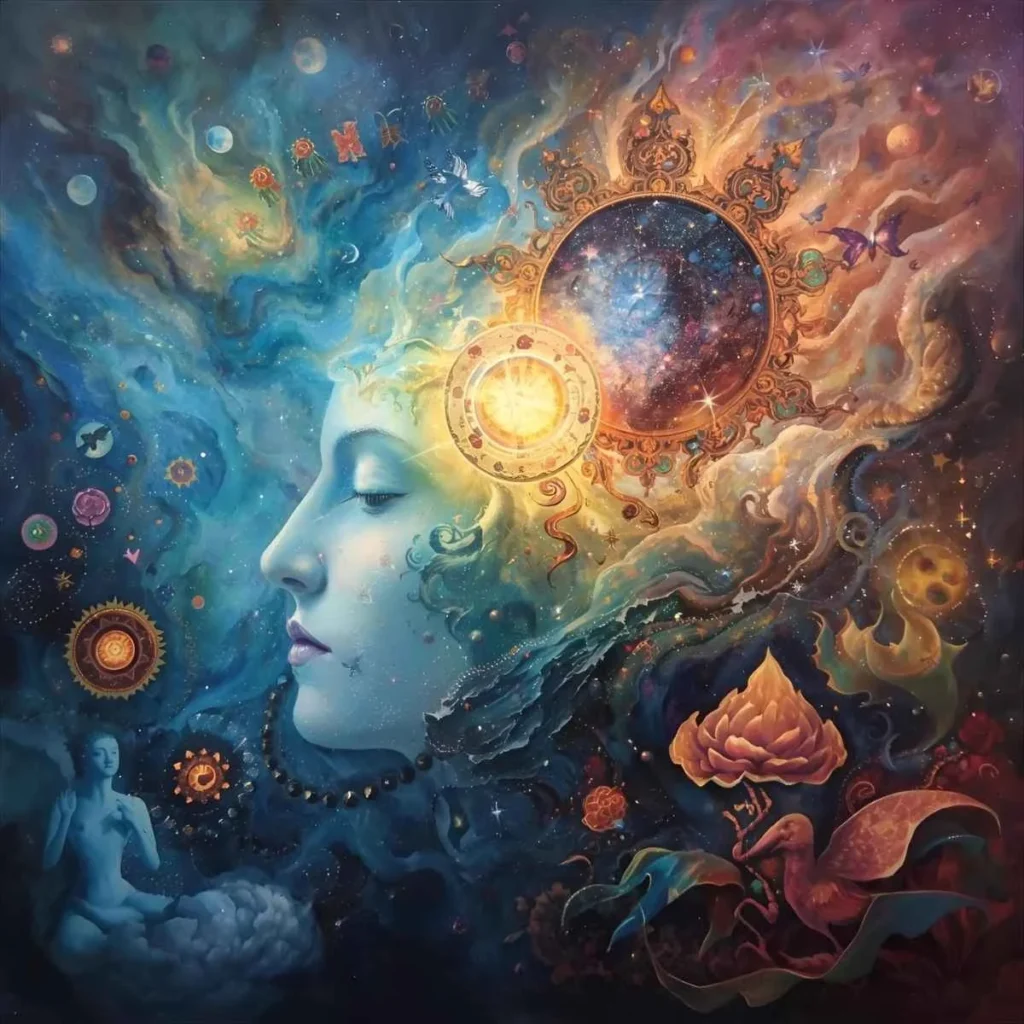
Historically, cultures viewed dreams as divine messages.
- Ancient Egyptians believed dreams came from gods.
- Greek philosophers saw them as reflections of health or prophecy.
- Indigenous traditions used dreams for spiritual guidance.
In modern times, daydreams echo the same role — guiding intuition, creativity, and destiny in a fast-paced world.
FAQs About Daydreams and Night Dreams
Q1. Are daydreams healthy or harmful?
✅ Healthy — as long as they don’t replace real action. Constructive daydreaming helps visualize goals and reduce anxiety.
Q2. Can daydreams predict the future like night dreams?
Not literally, but they often reveal your subconscious desires and potential directions — a mental preview of what you want to manifest.
Q3. Why do I forget my night dreams quickly?
Because the prefrontal cortex (responsible for memory) is less active during REM sleep. Journaling immediately after waking improves recall.
Q4. Can I control my dreams?
Yes. Lucid dreaming techniques help you become aware while dreaming, allowing partial control of dream narratives.
Q5. Do daydreams reflect mental health?
Sometimes. Excessive, escapist daydreaming may signal anxiety or dissatisfaction. Balanced, creative daydreaming is mentally beneficial.
Q6. How can I use dreams for creativity?
Keep a dream notebook, meditate before sleep, and review patterns. Use your daydreams for idea generation and night dreams for emotional insight.
Key Takeaways: Daydream vs Night Dream
- Daydreams = Conscious imagination, creativity, goal-setting.
- Night dreams = Subconscious expression, emotional processing, insight.
- Both are essential for mental balance, creativity, and self-discovery.
- In 2025, technology and psychology now merge to decode both worlds more accurately than ever.
Conclusion: Dream Boldly — Awake or Asleep 🌌
In the evolving world of 2025, the line between daydreams and night dreams is thinner than ever. Both serve as mirrors reflecting your mind’s deepest workings — one conscious, the other subconscious.
So the next time you catch yourself lost in thought or wake up from a surreal dream, don’t dismiss it. Listen. Reflect. Learn.
Because whether it’s a daydream whispering your future or a night dream revealing your fears, both are messages from your inner self — waiting to guide you toward a more meaningful, imaginative, and self-aware life.

“Evelyn Hartwell, a spiritual dream guide at DreamyDrug.com, interprets symbolic dreams and emotional patterns to help readers understand their inner world.”