
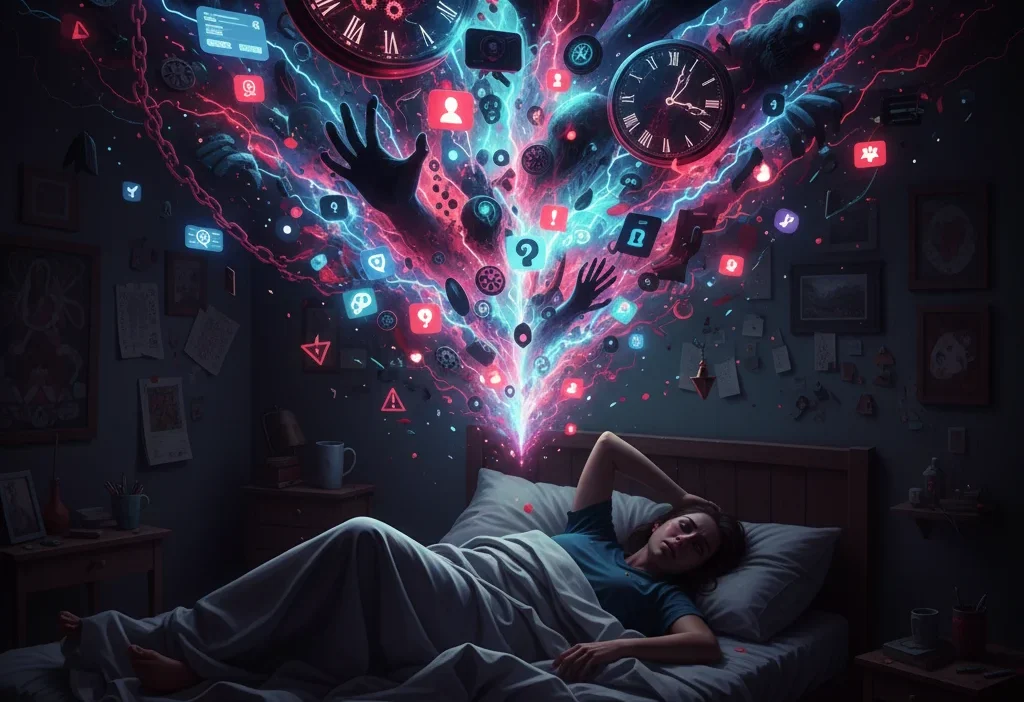
Bad dreams are far more common than most people admit. You wake up suddenly, heart racing, mind confused, trying to piece together what just happened. In 2025 — with rising stress, chaotic sleep patterns, and digital overload — understanding bad dream causes has never been more important.
The good news? Bad dreams aren’t random. They’re signals, reflections, and sometimes warnings from your subconscious mind. Once you understand why bad dreams happen, you can take control, sleep better, and even use these dreams for emotional healing.
This guide dives deep into the meaning, causes, psychology, symbolism, prevention methods, and expert-backed tips you can use immediately.
What Are Bad Dreams?
Bad dreams are unpleasant or emotionally disturbing experiences that occur during sleep — typically during REM (Rapid Eye Movement) sleep, the stage when the brain is most active. They may involve fear, stress, sadness, loss, or confusion.
However, bad dreams are not always harmful. Many psychologists consider them the brain’s natural way of processing:
- Stress or emotional overload
- Unresolved memories
- Hidden fears
- Real-life conflicts
- Traumatic experiences
In other words, a bad dream is the mind’s emotional detox mechanism.
Why Bad Dreams Matter in 2025
With increasing digital stress, rapid lifestyle changes, and emotional instability across the globe, bad dreams have become more frequent. According to recent sleep-health studies (2024–2025):
- More than 62% of adults report having frequent bad dreams, up from 45% a decade ago.
- High-tech lifestyles (late-night scrolling, blue light exposure, AI-driven content) are directly linked to dream disturbances.
- Sleep deprivation and emotional fatigue are increasing bad-dream frequency worldwide.
Understanding bad dream causes is now essential for mental well-being, productivity, and emotional balance.
Main Causes of Bad Dreams (2025 Updated List)
Below are the most common, science-supported causes of bad dreams in both adults and children.
1. Stress and Anxiety
Stress is the number one cause of bad dreams. When your brain is overwhelmed, it processes your emotional load through dream imagery — often in exaggerated, symbolic, or fearful ways.
Examples of stress-induced bad dreams:
- Being chased
- Falling from a height
- Getting lost
- Missing an exam or flight
- Arguing with someone
- Losing control of something important
Your brain creates these scenarios to symbolically release tension.
2. Trauma or Past Emotional Pain
People with past trauma — especially childhood trauma — often experience recurring bad dreams. The brain tries to replay the event to process unresolved emotions, even years later.
Common dream themes:
- Feeling trapped
- Reliving old memories
- Seeing frightening shadows
- Scenes related to past abuse or accidents
This is why trauma counseling often includes dream therapy.
3. Sleep Disorders
Certain sleep conditions naturally increase the frequency of disturbing dreams.
These include:
- Insomnia
- Sleep apnea
- REM sleep behavior disorder
- Narcolepsy
- Night terrors
When your sleep cycles are fragmented or unstable, bad dreams show up more often.
4. Medications & Substances
Some medications intensify brain activity during REM sleep, causing vivid or disturbing dreams.
Common medications linked to bad dreams:
- Antidepressants
- Blood pressure medications
- Sleep aids
- ADHD medications
- Drugs affecting neurotransmitters
Alcohol, nicotine, and recreational drugs can also trigger nightmares due to withdrawal during sleep.
5. Overthinking Before Bed
Your brain continues whatever mental activity you were doing before sleeping.

If you sleep with a heavy heart or a busy mind, your dreams reflect it.
Examples:
- Arguments replay during dreams
- Overthinking turns into stressful scenarios
- Worry about the future appears as symbolic danger
This is why experts recommend mental unwinding before bed.
6. Emotional Suppression
When your mind avoids your true feelings during the day, they aggressively appear in your dreams at night.
Signs this is your cause:
- Dreams filled with anger, sadness, or guilt
- Repressed desires showing up symbolically
- Unresolved relationships showing up repeatedly
Dreams force you to face what you avoid.
7. Lifestyle Habits
Habits that disrupt hormonal balance or sleep quality often lead to bad dreams.
Examples:
- Late-night caffeine
- Irregular sleeping hours
- Eating heavy meals before bedtime
- High sugar consumption
- Lack of exercise
- Excessive phone usage at night
These increase nighttime brain stimulation.
8. Digital Overload
In 2025, this is one of the fastest-growing causes of bad dreams.
Spending hours online overstimulates the brain, especially when consuming:
- Horror content
- Dramatic reels
- Fast-paced videos
- Violent games
- Heavy emotional news
Your mind processes all this imagery at night, often turning it into disturbing dream scenes.
9. Hormonal Changes
Hormones affect emotions, sleep quality, and dream intensity.
Hormonal triggers include:
- Pregnancy
- Menstruation
- Puberty
- Menopause
- Thyroid imbalance
- Stress-related cortisol spikes
These fluctuations create emotionally intense dreams.
10. Fever or Illness
When your body is fighting an infection, your brain overheats, causing vivid, chaotic, or frightening dreams.
Hidden Psychological Meaning Behind Bad Dreams
To truly understand bad dream causes, it helps to explore dream symbolism. Dreams rarely show the truth directly—they use metaphors.
Below are common bad dream themes and their deeper meanings:
Being Chased
A sign of avoiding responsibilities, fears, or emotional truths.
Falling
Represents loss of control, insecurity, or fear of failure.
Losing someone
Symbolizes emotional dependence, fear of abandonment, or unresolved relationships.
Dark or dangerous places
Reflects uncertainty or hidden anxieties.
Being trapped
Points to suffocation in real life—emotionally, mentally, or situationally.
Teeth falling out
Linked to stress, self-confidence issues, or communication fears.
These symbolic dreams help your subconscious communicate what your conscious mind ignores.
Benefits of Understanding Bad Dream Causes
You might think bad dreams are only negative, but understanding their causes offers powerful benefits:
- Emotional healing
- Increased self-awareness
- Better stress management
- Improved mental health
- Stronger sleep quality
- Early warning signals for emotional burnout
- Better control over daily anxiety
Bad dreams can guide you toward a healthier mind.
How to Stop Bad Dreams (Practical Step-by-Step Guide)
Here are proven, psychology-backed methods to reduce or eliminate bad dreams.
1. Regulate Your Sleep Schedule
Go to bed and wake up at the same time daily.
This stabilizes REM cycles and reduces dream disturbances.
2. Create a Bedtime Wind-Down Routine
Avoid screens 1 hour before bed.
Try:
- Warm shower
- Light stretching
- Soft music
- Reading
- Breathing exercises
When your mind is calm, your dreams become calm.
3. Limit Nighttime Stimulants
Avoid:
- Coffee after 5 PM
- High-sugar desserts
- Energy drinks
- Intense workouts before bed
This keeps brain activity steady.
4. Journal Your Stress
Write down your thoughts before sleeping.
This releases emotional pressure and reduces bad dream patterns.
5. Dream Journaling
A powerful 2025 wellness trend.
Write your dreams every morning, including emotions and symbols.
Benefits:
- Spot recurring patterns
- Identify emotional triggers
- Reduce dream intensity
- Understand subconscious messages
6. Practice Relaxation Techniques
- Meditation
- Mindfulness
- Visualization
- Breathing exercises
These techniques reduce nighttime anxiety.
7. Improve Your Sleep Environment
Make your room:
- Dark
- Quiet
- Cool
- Comfortable
Use soft lighting in the evenings to signal your brain that it’s time to relax.
8. Reduce Emotional Suppression
Allow yourself to feel emotions during the day.
Talk to someone, journal, or express your feelings in healthy ways.
9. Seek Professional Therapy (If Needed)
If your bad dreams are due to:
- Trauma
- PTSD
- Recurring nightmares
- Intense anxiety
- Sleep disorders
A sleep therapist or psychologist can help.
Therapies like CBT-I, exposure therapy, and memory rescripting are highly effective.
Real-Life Examples: Why People Get Bad Dreams
Example 1: Work Stress
Sara works from home and checks emails before bed.
Her dreams include:
- Being chased
- Missing deadlines
- Failing tasks
Cause: emotional overload + digital stress.
Example 2: Relationship Conflict
Ali avoids discussing problems.
His dreams show:
- Losing his partner
- Arguing
- Emotional storms
Cause: suppressed emotions.
Example 3: Social Media Overload
Teenagers who scroll late at night often dream of chaotic or dramatic scenarios.
Cause: overstimulation.
Common Mistakes That Make Bad Dreams Worse
- Watching heavy content before sleep
- Sleeping in an uncomfortable room
- Overthinking in bed
- Ignoring emotional problems
- Skipping meals or eating too late
- Not managing stress
- Using your phone until you fall asleep
Avoiding these mistakes significantly improves dream quality.
Modern 2025 Trends & Tools for Reducing Bad Dreams
1. AI Sleep Analysis Apps
Apps can now analyze dream patterns through voice, movement, and sleep cycles.
2. Smart Sleep Masks
Track REM sleep and help regulate nighttime brain activity.
3. Digital Detox Modes
Phone features that auto-block emotionally heavy content at night.
4. Mental Wellness Wearables
Measure stress levels and predict dream disturbances.
Frequently Asked Questions (FAQs)
1. Are bad dreams dangerous?
Not usually. They’re a natural reflection of emotional stress or brain processing.
2. Why do I keep having the same bad dream repeatedly?
Recurring dreams indicate unresolved internal conflict or stress.
3. Can foods cause bad dreams?
Yes. Heavy meals, sugar, and caffeine close to bedtime can affect REM sleep.
4. Do children get more bad dreams than adults?
Yes, due to active imagination, emotional development, and irregular sleep cycles.
5. Can bad dreams be a sign of mental health issues?
Sometimes. Frequent nightmares may reflect anxiety, PTSD, or depression.
6. Does watching scary videos at night cause bad dreams?
Absolutely. Your brain stores that imagery and may replay it during sleep.
Conclusion
Bad dreams may feel unsettling, but they are powerful emotional messages from your subconscious. In 2025 — a world full of stress, digital pressure, and fast-paced living — understanding bad dream causes is essential for emotional well-being and mental clarity.
When you identify the reason behind your bad dreams, you gain control. You sleep better. You think clearer. You feel lighter.
Use this guide to understand your mind better, heal emotionally, and create peaceful nights filled with clarity instead of fear.

“Evelyn Hartwell, a spiritual dream guide at DreamyDrug.com, interprets symbolic dreams and emotional patterns to help readers understand their inner world.”