

Have you ever woken up from a vivid dream and wished you could capture every detail before it fades away? Writing dreams daily is more than just a habit—it’s a transformative practice that can boost creativity, emotional clarity, and personal growth. In 2025, as more people embrace mindfulness and self-reflection, this simple yet powerful practice is gaining recognition as a key tool for understanding yourself and your subconscious mind.
By committing to writing dreams daily, you can uncover hidden patterns, unlock creative potential, and gain insights that influence your real-life decisions. Whether you’re curious about dream symbolism, seeking self-discovery, or aiming to enhance mental well-being, this comprehensive guide will show you how to make dream journaling a meaningful part of your life.
What Does Writing Dreams Daily Mean?
Writing dreams daily involves recording your dreams immediately after waking up. This practice allows you to capture fleeting details before your memory fades, creating a personal archive of your subconscious experiences.
Dreams often contain rich imagery, emotions, and symbolic messages. By writing them down consistently, you develop a better understanding of recurring themes, personal challenges, and even creative inspirations. In 2025, with the rise of digital journaling tools and AI-assisted dream analysis apps, maintaining a daily dream log has never been easier.
The Benefits of Writing Dreams Daily
Writing dreams daily offers numerous advantages for your mind, creativity, and emotional health:
- Enhanced Self-Awareness: By recognizing recurring patterns, you can gain insights into your thoughts, fears, and desires.
- Boosted Creativity: Many artists, writers, and innovators draw inspiration from their dreams. Recording them can spark fresh ideas.
- Improved Memory: The habit strengthens your recall ability, which can also improve your daily memory retention.

- Emotional Clarity: Reflecting on dream emotions helps you process feelings and reduce stress or anxiety.
- Problem-Solving Skills: Dreams often present creative solutions or new perspectives on real-life challenges.
- Spiritual Growth: For those exploring spirituality, dream journaling can serve as a guide to inner wisdom.
Step-by-Step Guide to Writing Dreams Daily
Step 1: Prepare Your Tools
Choose a medium that works for you:
- Traditional notebook or journal
- Digital apps or voice memos
- AI-assisted dream journaling tools for deeper analysis
Step 2: Set an Intention
Before sleeping, tell yourself that you will remember your dreams. This simple mental note improves dream recall.
Step 3: Record Immediately
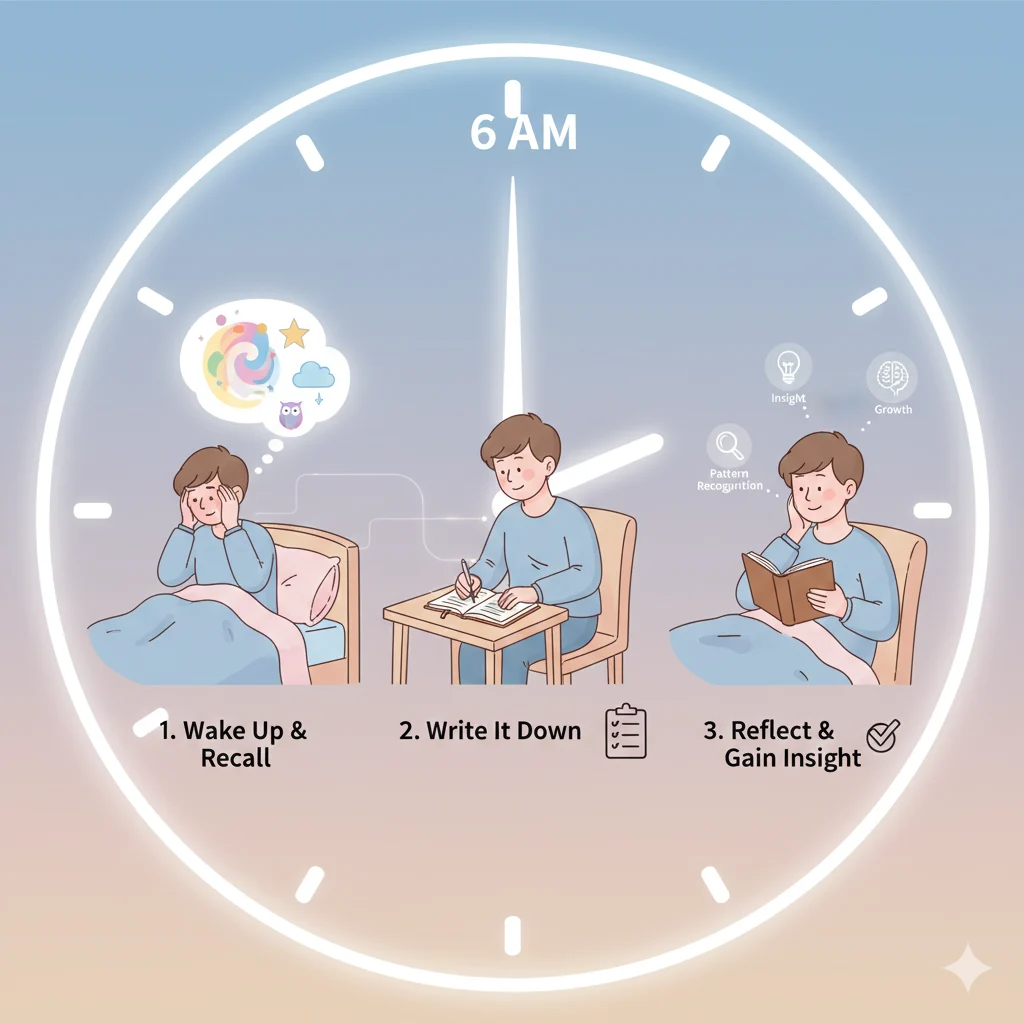
Keep your journal within arm’s reach. Write as soon as you wake up, even if it’s just fragments.
Step 4: Include Key Details
- Characters and people: Who appeared in your dream?
- Settings and places: Where did it happen?
- Emotions: How did you feel during and after the dream?
- Symbols and objects: Unusual elements often carry deep meaning.
Step 5: Reflect and Interpret
After writing, take a few moments to analyze possible meanings. Ask yourself:
- What patterns are emerging?
- Does this relate to current life events or emotions?
- Are there recurring symbols or themes?
Step 6: Maintain Consistency
The key to success is daily commitment. Even short entries help build a powerful long-term archive.
Real-Life Examples of Daily Dream Writing
- Creative Inspiration: A graphic designer noticed recurring water imagery in her dreams. Writing them down daily helped her design a successful digital art collection themed around flow and transformation.
- Emotional Clarity: A young professional dealing with work stress discovered recurring dreams of being trapped. Daily journaling helped him identify sources of anxiety and take proactive steps to improve his mental health.
- Problem Solving: An entrepreneur dreamt about a new product concept and noted it immediately. Months later, he realized his subconscious idea had commercial potential.
Common Mistakes to Avoid
- Skipping Entries: Forgetting to write reduces recall and diminishes the habit’s effectiveness.
- Overthinking Interpretations: Not all dreams need deep analysis—sometimes they are reflections of daily life.
- Neglecting Emotions: Focusing only on visuals ignores valuable emotional insights.
- Writing Inconsistently: Daily practice builds momentum; occasional entries may fail to reveal patterns.
Expert Tips for Maximizing Dream Journaling
- Keep your journal by your bedside for easy access.
- Use keywords and bullet points if time is short.
- Color-code emotions or themes to identify patterns faster.
- Record nightmares or unusual dreams as they often contain important insights.
- Share or discuss your dreams with a trusted friend or therapist for additional perspective.
Modern Trends in Dream Journaling (2025 Updates)
- Digital Dream Journals: Apps now allow voice-to-text entry, AI-based analysis, and pattern detection.
- Sleep Tracking Integration: Some smart devices correlate dream recall with sleep stages to enhance understanding.
- AI-Assisted Interpretation: Artificial intelligence can suggest symbolic meanings or emotional themes based on your entries.

- Community Sharing: Online dream communities allow collaborative interpretation and support.
- Mindfulness Integration: Combining meditation or lucid dreaming techniques with journaling enhances insight and creativity.
Historical and Cultural Insights
Dream recording is not new. Ancient civilizations, including Egyptians and Greeks, believed dreams carried divine messages and guidance. In many cultures, dreams were documented in sacred texts and used for spiritual insights. Writing dreams daily continues this tradition, blending ancient wisdom with modern self-discovery practices.
Tips for Different Types of Dreams
1. Lucid Dreams
- Record cues that trigger lucidity.
- Note control techniques and outcomes.
2. Recurring Dreams
- Track patterns and changes over time.
- Identify life events or emotions linked to repetition.
3. Nightmares
- Focus on emotions and resolutions.
- Practice reflective journaling to reduce fear and anxiety.
4. Symbolic or Vivid Dreams
- Note metaphors, colors, and symbols.
- Research cultural or psychological meanings if relevant.
Frequently Asked Questions (FAQs)
Q1: Can anyone improve dream recall with daily writing?
Yes, regular journaling significantly improves memory and recall, even for people who initially struggle to remember dreams.
Q2: How long should I spend writing dreams daily?
Even 5–10 minutes is effective. Over time, detailed entries naturally develop as recall improves.
Q3: Are digital dream journals better than paper?
It depends on personal preference. Digital journals offer AI analysis and convenience, while paper encourages reflection and creative expression.
Q4: Can writing dreams daily reduce stress?
Absolutely. Journaling helps process emotions, identify stress triggers, and promote mental clarity.
Q5: Should I interpret every dream?
Not necessarily. Focus on recurring themes or emotionally impactful dreams for meaningful insights.
Q6: Is it possible to dream about the same topic repeatedly?
Yes, recurring dreams often highlight unresolved emotions, subconscious concerns, or important life decisions.
Key Takeaways
- Writing dreams daily is a simple yet transformative practice that enhances self-awareness, creativity, and emotional clarity.
- Consistency, reflection, and capturing both details and emotions are essential for effective dream journaling.
- Modern 2025 tools, from AI-assisted apps to smart sleep tracking, make it easier than ever to maintain and analyze your dream archive.
- Avoid common mistakes like skipping entries or overanalyzing, and instead focus on building a mindful habit.
- Whether for personal growth, creative inspiration, or spiritual exploration, writing dreams daily empowers you to better understand yourself and your inner world.
Start today by picking up a notebook or app, and begin your journey into the fascinating world of your subconscious. Every dream you write brings clarity, creativity, and insight into your waking life.
.

“Evelyn Hartwell, a spiritual dream guide at DreamyDrug.com, interprets symbolic dreams and emotional patterns to help readers understand their inner world.”