

Sleep is one of the most vital aspects of our well-being, yet it remains one of the most mysterious. While many people experience dreams, a lucid nightmare—an intense and vivid dream where you are aware that you are dreaming but still face terrifying scenarios—can be both fascinating and frightening. Understanding lucid nightmare meaning is essential in 2025, especially as more people explore consciousness, mental health, and self-improvement techniques through dream awareness.
In this comprehensive guide, we’ll explore the definition, benefits, practical tips, expert insights, and modern trends associated with lucid nightmares. By the end, you’ll gain clarity on this intriguing phenomenon and discover ways to harness its power for personal growth.
What Is a Lucid Nightmare?
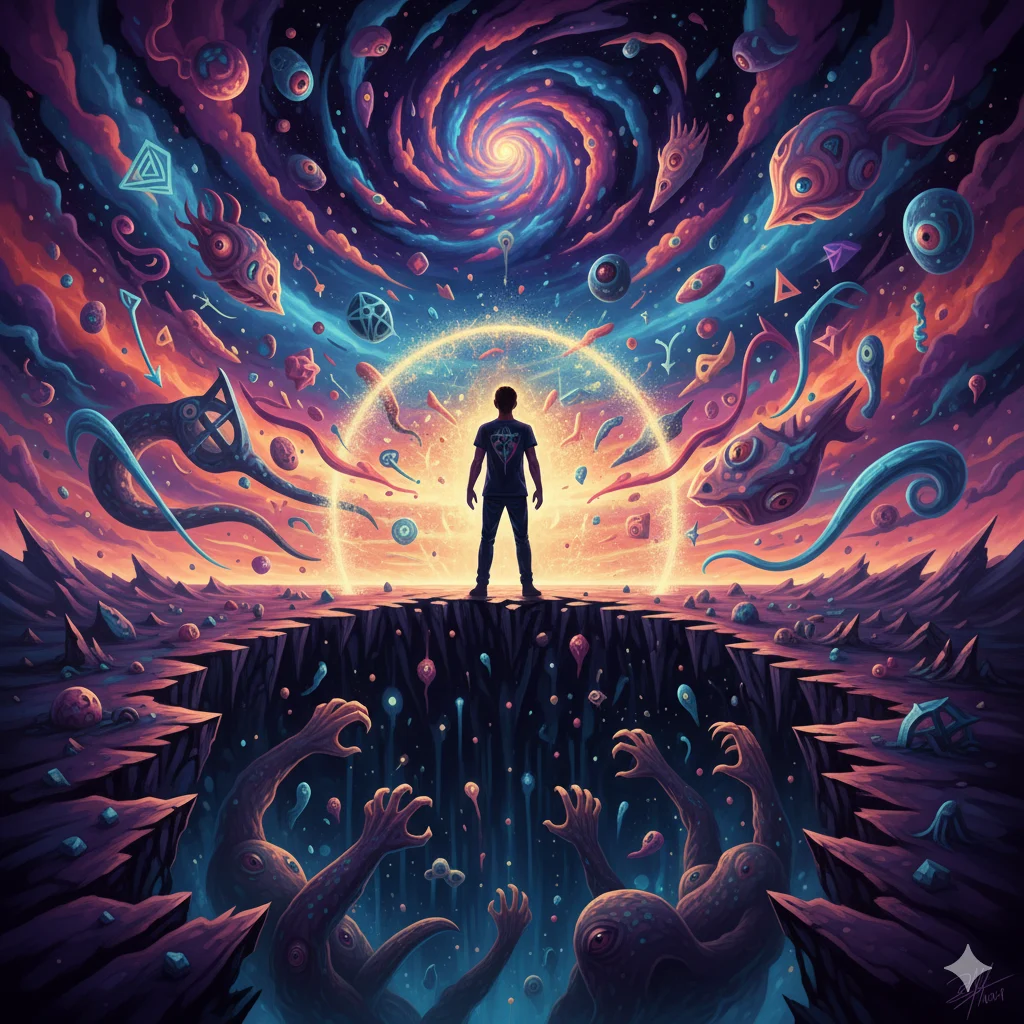
A lucid nightmare is a type of dream in which you are conscious that you are dreaming, but the dream itself contains distressing or frightening content. Unlike typical nightmares, the key distinction is the awareness of the dream state.
Key Characteristics of Lucid Nightmares:
- Awareness: You know you’re dreaming.
- Vividness: The dream feels incredibly real, often involving all five senses.
- Emotional intensity: Fear, anxiety, or dread can be overwhelming.
- Control challenges: While you may be aware, controlling the nightmare can be difficult.
Lucid nightmares can be both an opportunity and a challenge. Recognizing their meaning allows you to confront underlying fears, anxieties, and unresolved emotions.
Benefits of Understanding Lucid Nightmares
Though terrifying at first, lucid nightmares offer several surprising benefits:
- Emotional Insight: They reveal hidden fears or unresolved stressors in your waking life.
- Increased Dream Awareness: Practicing lucid dreaming improves overall dream recall and awareness.
- Personal Growth: Facing frightening dream scenarios consciously can increase resilience and confidence.
- Creative Inspiration: Some artists, writers, and innovators gain ideas from exploring dream worlds.
- Therapeutic Potential: Techniques like lucid dreaming therapy can reduce recurring nightmares.
Understanding the lucid nightmare meaning transforms fear into a tool for emotional and psychological development.
How to Interpret Lucid Nightmares
Interpreting lucid nightmares involves more than just identifying frightening imagery. Consider these practical steps:
1. Analyze Emotions
Ask yourself: What emotions did I feel in the dream? Fear, guilt, or shame often points to unresolved stress in waking life.
2. Identify Recurring Themes
Recurring nightmares may highlight persistent worries or patterns of negative thinking.
3. Explore Symbolism
Dream symbols are highly personal. A falling scenario may represent a loss of control, while being chased might indicate avoidance of responsibilities.

4. Keep a Dream Journal
Record your dreams immediately after waking. This improves clarity and allows you to notice patterns over time.
5. Seek Expert Guidance
Therapists specializing in dream analysis or lucid dreaming can provide deeper insights and coping strategies.
Common Mistakes to Avoid
While exploring lucid nightmares, beginners often make mistakes that intensify fear instead of managing it:
- Suppressing Awareness: Avoid ignoring your dreams; suppression can make nightmares more frequent.
- Overanalyzing Symbols: Not every element is symbolic; some dreams are simply your brain processing experiences.
- Forcing Control: Trying to control the nightmare aggressively can increase anxiety.
- Neglecting Sleep Hygiene: Poor sleep habits can worsen nightmares and reduce dream recall.
Avoiding these pitfalls ensures that lucid nightmares become tools for growth rather than sources of distress.
Practical Tips to Manage Lucid Nightmares
You can learn to navigate and even benefit from lucid nightmares with these effective strategies:
- Reality Checks During the Day: Regularly ask yourself if you are dreaming to increase dream awareness.
- Set Intentions Before Sleep: Affirmations like, “I can face my fears in my dreams,” can reduce fear intensity.
- Use Grounding Techniques in Dreams: Focus on breathing or touching objects to reduce panic.
- Transform the Nightmare: Practice changing frightening elements into neutral or positive experiences.
- Mindfulness Meditation: Daily mindfulness reduces anxiety and improves dream control.
With practice, you can transform nightmares from a source of fear into a pathway for self-discovery.
Real-Life Examples
Consider these illustrative scenarios:
- Emily’s Flying Nightmare: Emily repeatedly dreamed of falling from great heights. After learning lucid dreaming techniques, she realized she could fly instead, turning fear into exhilaration.
- Mark’s Chase Dream: Mark often dreamt of being chased by an unknown figure. By consciously facing the figure in his dream, he uncovered underlying stress about his career and learned coping strategies.
These examples show that lucid nightmares can be emotionally revealing and transformative when approached consciously.
Expert Insights
Dr. Helena Martinez, a sleep psychologist, notes:
“Lucid nightmares are not just frightening; they are windows into the subconscious. With proper guidance, they can help individuals process emotions and gain psychological resilience.”
Emerging research in 2025 continues to emphasize lucid dream therapy as a promising method for treating trauma-related nightmares and anxiety disorders.

Modern Trends and Tools in 2025
Lucid dreaming has gained popularity with new technologies and tools:
- Wearable Sleep Trackers: Devices monitor REM sleep and provide gentle cues to trigger lucid dreaming.
- Dream Incubation Apps: Apps help set intentions and provide audio cues for dream manipulation.
- VR Relaxation Practices: Virtual reality environments before sleep can reduce stress and promote positive dream content.
- Community Platforms: Online forums and dream-sharing platforms allow users to discuss experiences and techniques safely.
These tools make navigating lucid nightmares more accessible and effective than ever before.
Lucid Nightmare Meaning Across Cultures
Historically, cultures interpreted nightmares differently:
- Ancient Egypt: Nightmares were seen as messages from the gods, guiding individuals through life challenges.
- Native American Traditions: Dreams, including nightmares, were spiritual guides for personal insight.
- Modern Psychology: Today, lucid nightmares are understood as reflections of subconscious processing and emotional regulation.
Understanding cultural and historical perspectives enriches the exploration of your own dream experiences.
FAQs About Lucid Nightmares
1. Can anyone have a lucid nightmare?
Yes. While some people are naturally more prone to lucid dreaming, anyone can learn techniques to increase dream awareness.
2. Are lucid nightmares dangerous?
No. They may be emotionally intense but are not physically harmful. With proper techniques, you can reduce fear and anxiety.
3. How do I remember my lucid nightmares?
Keep a dream journal and record every detail immediately after waking. Consistent practice enhances recall.
4. Can lucid nightmares be therapeutic?
Absolutely. Facing fears in dreams consciously can reduce recurring nightmares and improve emotional resilience.
5. How long does it take to control lucid nightmares?
With daily practice and intention-setting, noticeable improvement can occur within weeks, though mastery varies by individual.
6. Do lucid nightmares have spiritual significance?
Some cultures interpret them as messages from the subconscious or spiritual guides, offering insight and personal growth opportunities.
Key Takeaways
- Lucid nightmares are vivid dreams in which you are aware that you are dreaming, often containing fear-inducing content.
- Understanding their meaning can provide emotional insight, creative inspiration, and personal growth.
- Practical strategies like reality checks, intention-setting, and mindfulness can help manage and transform nightmares.
- Modern 2025 tools—apps, wearables, and VR practices—make lucid dreaming more accessible than ever.
- Avoid common mistakes such as overanalyzing or forcing control, which can intensify anxiety.
Conclusion
Lucid nightmares are not merely frightening experiences—they are profound opportunities for self-awareness, emotional healing, and personal growth. By understanding the lucid nightmare meaning, practicing conscious dream techniques, and leveraging modern tools, you can transform fear into empowerment. Embrace your dreams as a guide in 2025, and allow even the darkest dreamscapes to illuminate your path toward insight, creativity, and resilience.

“Clara Whitmore, a dream psychology writer at DreamyDrug.com, explores emotional symbols and subconscious patterns to help readers understand their night visions.”