
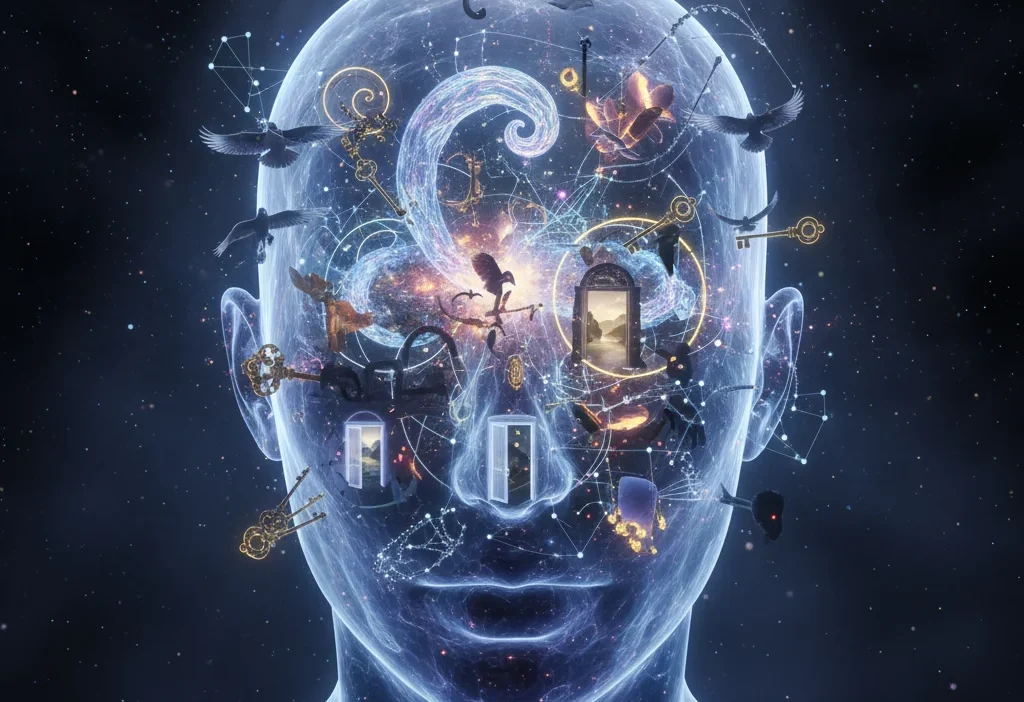
Dreams are mysterious. They slip into your mind at night, painting scenes that feel real yet unreal—confusing, emotional, sometimes frightening, but always meaningful. If you’ve ever woken up wondering, “What was my mind trying to tell me?”, you’re not alone.
In 2025, dream analysis has become more popular than ever. With growing interest in mental health, mindfulness, and personal growth, more people want to understand the hidden messages behind their dreams. Learning how to analyze your dream can help you decode your emotions, understand your thoughts, and tap into your deepest intuition.
This detailed guide will teach you everything you need to know—meanings, benefits, methods, tools, examples, mistakes to avoid, expert insights, and more.
Let’s dive in.
What Does It Mean to Analyze Your Dream?
Analyzing your dream means examining the images, emotions, symbols, and actions within your dream to understand what your subconscious mind is expressing. It’s not fortune-telling or predicting the future—it’s a psychological and emotional exploration.
Dream analysis helps you:
- Understand hidden fears or anxieties
- Discover personal desires
- See unresolved conflicts
- Reflect on emotional patterns
- Gain insight into your relationships
- Find inspiration or clarity about decisions
When you learn how to analyze your dream, you are essentially learning how to listen to yourself.
Why Dream Analysis Matters in 2025
Modern life is fast, overwhelming, and filled with constant stimulation. People rarely pause to deeply reflect on their emotions or inner experience. Dreams provide a natural, private, and powerful window into your inner world.
In 2025, we also have:
- Better understanding of neuroscience
- Increasing use of AI-assisted dream journaling
- More focus on emotional wellness
- Growing research on sleep and memory
- Popularity of mindfulness and self-awareness practices
Dreams offer guidance that your conscious mind often ignores. Analyzing them is like having a personal therapist inside your mind—ready to reveal what you need to pay attention to.
Benefits of Analyzing Your Dreams
Understanding your dreams offers emotional, psychological, and even creative benefits. Some of the most powerful include:
1. Emotional Clarity
Dreams often exaggerate your emotions to help you notice what you’re avoiding. Analyzing them helps you understand underlying feelings.
2. Better Decision-Making
Your dreams reflect your doubts, values, and intuition—guiding you toward better choices.
3. Inner Healing
Repetitive dreams often highlight unresolved trauma or emotional wounds.
4. Stress Relief
Once you decode what’s bothering you, your mind becomes calmer.

5. Self-Awareness
Dreams reveal your true self—your fears, desires, and conflicts.
6. Creative Inspiration
Artists, writers, creators, and entrepreneurs often find powerful ideas through dream interpretation.
How to Analyze Your Dream (Step-by-Step Guide)
Here is the most comprehensive, beginner-friendly 2025 guide to decoding your dreams.
Step 1: Write Down Your Dream Immediately
Your brain forgets 50% of a dream within 5 minutes of waking. To capture accurate detail:
- Write everything down
- Avoid summarizing—include raw images, colors, and emotions
- Record sensations (heavy, floating, cold, running)
- Note any recurring symbols
You may include details like:
- People you saw
- Location
- Main action
- Emotions
- Any objects or colors
- The ending
This becomes the foundation of your analysis.
Step 2: Identify the Main Theme
Most dreams fall under a few main categories:
- Fear
- Desire
- Conflict
- Growth
- Memory
- Anxiety
- Transformation
Ask yourself:
- What was this dream mostly about?
- Was it emotional or neutral?
- Did it reflect something from my real life?
Themes help you understand the bigger picture.
Step 3: Decode the Symbols
Dreams speak in symbols—not direct words. For example:
- Water → emotions
- Falling → loss of control
- Houses → the self
- Chasing → fear or avoidance
- Roads → life path or decisions
- Teeth → anxiety or communication
But remember: symbolism is personal. Water may mean peace to one person and fear to another.
To decode symbols, consider:
- Your personal associations
- Cultural meaning
- Emotional context
- Recent life experiences
Always trust your personal meaning first.
Step 4: Focus on the Emotions in the Dream
Emotions reveal the true message.
Ask yourself:
- How did I feel during the dream?
- Did my feelings change from beginning to end?
- Do these feelings connect to anything in my waking life?
Emotions guide interpretation more accurately than symbols.
Step 5: Connect the Dream to Your Real Life
Your subconscious collects:
- daily stress
- relationship problems
- fears
- desires
- memories
- self-doubt
- goals
- unresolved conflicts
Ask:
- Is anything happening right now that matches the dream theme?
- Does this symbol remind me of someone or something?
- Has this dream happened before?
Dreams don’t come from nowhere—they reflect your reality.

Step 6: Identify the Message or Insight
Once you understand the pieces, ask:
“What is my mind trying to tell me?”
Examples:
- A dream of running may mean you’re avoiding a difficult conversation.
- A dream of losing something may mean you fear losing control or stability.
- A dream about flying might reflect a desire for freedom.
Insights help you understand yourself better.
Step 7: Look for Patterns Over Time
One dream is helpful. Ten dreams are powerful.
Track:
- recurring people
- repeated symbols
- similar emotions
- repeating locations
- unresolved endings
Your subconscious repeats what you ignore.
Step 8: Use Modern Tools and Apps (2025 Trends)
Dream analysis is easier than ever with today’s technology.
Popular tools include:
- AI Dream Journals (interpret meaning based on emotion + symbols)
- Sleep Tracking Apps (analyze dream phases)
- Lucid Dreaming Tools
- Mood & Anxiety Trackers
- Voice-record dream loggers
Using tech helps you organize patterns and get deeper insights.
Real-Life Examples of Dream Analysis
Here are some relatable examples to show how dream interpretation works in real life.
Example 1: Dream of Being Chased
Dream: You’re running from a shadow-like figure.
Emotion: Fear, breathlessness.
Real-Life Meaning: You might be avoiding a difficult decision, conversation, or responsibility.
Example 2: Dream of Losing Teeth
Dream: Your teeth fall out suddenly.
Emotion: Embarrassment, panic.
Meaning: Anxiety about appearance, communication, or life changes.
Example 3: Dream of Water Flooding a Room
Dream: Water rises quickly.
Emotion: Overwhelmed.
Meaning: Emotional overload or suppressed feelings needing release.
Example 4: Dream of Flying
Dream: You’re floating freely.
Emotion: Joy, excitement.
Meaning: Desire for freedom, confidence, or personal breakthrough.
Example 5: Dream of an Ex
Dream: Your ex shows up unexpectedly.
Emotion: Confusion or unresolved sadness.
Meaning: Not about the person—about healing something emotional you haven’t let go of.
Common Mistakes to Avoid When Analyzing Your Dream
Many people misinterpret their dreams because of common mistakes. Avoid these:
1. Taking dreams literally
Dreams use metaphors, not direct messages.
2. Using online symbol dictionaries blindly
Not every symbol means the same thing for every person.
3. Ignoring emotions
Emotions tell you the real meaning.
4. Forgetting dreams before analyzing
Write them down immediately.
5. Forcing a meaning
Interpretation should feel natural, not forced.
6. Complicating the message
Dreams are often simple—your mind is highlighting something important.
Expert Tips for Accurate Dream Analysis
To understand your dreams deeply, use these expert-backed techniques:
1. Practice mindfulness
Being self-aware helps you decode dream meaning quickly.
2. Improve sleep hygiene
The better your sleep quality, the clearer your dreams.
3. Ask yourself reflective questions
- What is bothering me lately?
- What am I avoiding?
- What do I desire right now?
4. Interpret dreams in the morning
Your emotional memory is stronger upon waking.
5. Discuss dreams with someone you trust
Talking helps you see new perspectives.
6. Use metaphors
Ask: “If this dream was a metaphor, what would it be saying?”
Dream Analysis Trends & Tools in 2025
Modern dream interpretation is richer than ever, thanks to:
1. AI-powered dream interpreters
They analyze emotional patterns rather than generic symbol meanings.
2. Wearable sleep monitors
Track REM cycles and dream intensity.
3. Virtual Reality Dream Therapy
Guided VR experiences help people decode recurring dream patterns.
4. Mindfulness-based dream healing
Combines meditation with dream journaling.
5. Neuroscience-based insights
Researchers can now track how emotional memory links to dream imagery.
Brief Historical Insight: How Ancient Cultures Interpreted Dreams
Dream analysis is not new. Ancient cultures deeply valued dreams.
- Egyptians believed dreams were messages from gods.
- Greeks used dream temples for healing.
- Chinese traditions saw dreams as connections to the spiritual world.
- Islamic scholars connected dreams to emotional and spiritual reflections.
- Indigenous tribes viewed dreams as guidance from ancestors.
Even today, dream analysis carries both psychological and spiritual significance.

FAQs: How to Analyze Your Dream
1. Why do I forget my dreams so quickly?
Because the brain doesn’t store dream memory well. It fades within minutes unless recorded.
2. Does every dream have a deep meaning?
Not always. Some dreams simply reflect daily thoughts, but most emotional or vivid dreams carry significance.
3. Are recurring dreams important?
Yes—your mind repeats what you haven’t resolved.
4. Why do I dream about people I don’t talk to anymore?
They often represent unresolved emotions or different aspects of yourself.
5. Can dreams predict the future?
No scientific evidence supports this, but dreams can reflect intuition or emotional direction.
6. Should I be worried about nightmares?
Not always—nightmares often highlight stress or emotional overload, not danger.
Key Takeaways
- Dream analysis helps you understand emotions, patterns, and inner conflicts.
- Focus on emotions, not literal interpretation.
- Record your dreams immediately for accuracy.
- Use modern tools and apps to analyze patterns in 2025.
- Avoid overthinking—dream messages are often simple and symbolic.
Learning how to analyze your dream opens the door to deeper self-awareness, emotional healing, and personal growth.
Conclusion
In 2025, when life is busier and more emotionally complex than ever, dreams remain one of the most powerful tools for self-understanding. By learning how to analyze your dream, you gain access to hidden feelings, forgotten memories, inner conflicts, and unspoken desires.
Your dreams are not random. They are reflections of the deepest part of you—the part that speaks in symbols, emotions, and stories. When you listen to them, you understand yourself more fully.
Start tonight. Write down your dream, analyze the details, explore the emotions, and let your subconscious guide you toward clarity, healing, and growth.

“Clara Whitmore, a dream psychology writer at DreamyDrug.com, explores emotional symbols and subconscious patterns to help readers understand their night visions.”