
When Gods Whisper in Your Sleep
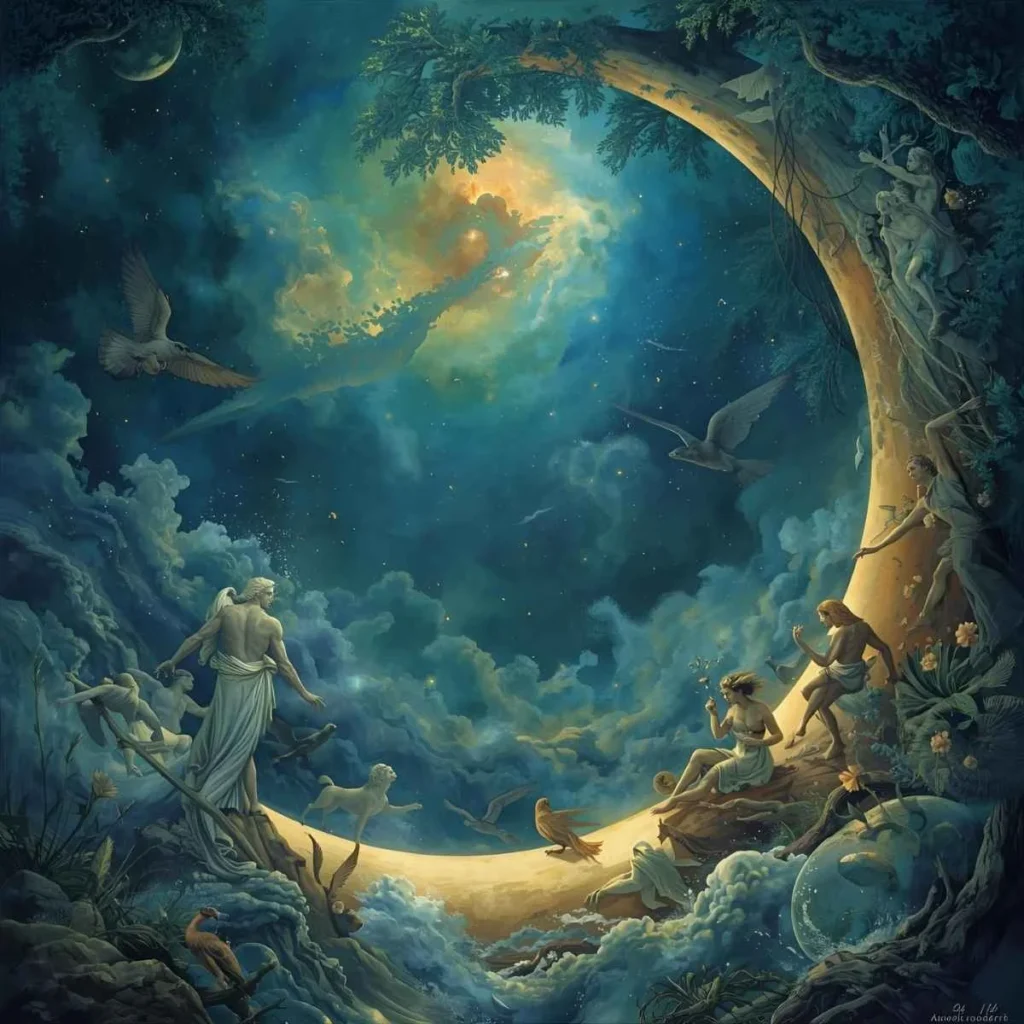
Have you ever woken up from a dream so vivid, it felt divine—like a message from beyond? 🌙 In ancient Greece, such dreams were never taken lightly. They were sacred, often believed to be messages from gods, spirits, or one’s higher self.
In 2025, the fascination with Greek mythology dreams has resurfaced stronger than ever. From TikTok interpretations to Jungian dream therapy, people are looking to mythology for deeper meaning. These ancient tales still echo in our subconscious—bridging myth, psychology, and spirituality.
This guide dives into the meaning, symbolism, and modern relevance of Greek mythology dreams. You’ll discover how these ancient archetypes still shape your inner world—and what your dreams may be trying to tell you.
What Are Greek Mythology Dreams?
Greek mythology dreams are dreams that feature gods, goddesses, mythic creatures, or stories from ancient Greece. You might dream of Zeus hurling lightning, Aphrodite offering love, or Hermes guiding you through an unknown path.
In ancient Greek culture, dreams were viewed as divine messages—a bridge between the mortal and spiritual worlds. Temples known as Asclepieions even served as “dream healing centers,” where people slept hoping for messages from gods of medicine and wisdom.
Today, these mythological figures represent psychological archetypes—universal symbols within our collective unconscious, as explored by Carl Jung. So, when Greek gods appear in your dreams, they often mirror inner energies, conflicts, or callings.
Ancient Egypt’s Dream Interpretation and Spiritual Insights 🐫
Why Greek Mythology Dreams Matter in 2025
In our modern era of self-discovery and digital overwhelm, mythology provides a timeless lens for meaning. Dreaming of Greek gods is not superstition—it’s symbolic storytelling from your psyche.
Here’s why they’re relevant now:
- Spiritual Awakening: People are rediscovering mythology as a way to decode their dreams and spiritual growth.
- Therapeutic Value: Therapists and dream analysts use Greek archetypes to help clients understand subconscious desires.
- Cultural Revival: Greek myths trend across social media, art, and entertainment, connecting ancient wisdom to modern psychology.
In short, Greek mythology dreams help you translate inner chaos into insight—making them a vital self-awareness tool in 2025.
Dream About Winning Lottery: Meaning and Life Lessons in 2025
Common Greek Mythology Dreams and Their Meanings
Below are some of the most frequent Greek mythology dream symbols—and what they might reveal about your emotions, relationships, or goals.
1. Dreaming of Zeus ⚡
Symbolism: Power, leadership, control, ego.
Meaning: You may be wrestling with authority—either your own or someone else’s. Zeus can symbolize confidence, but also the need to balance power with empathy.
2. Dreaming of Athena 🕊️
Symbolism: Wisdom, strategy, clarity.
Meaning: This dream may indicate it’s time to trust your intuition and intelligence. Athena often appears when you’re making difficult life choices.
3. Dreaming of Poseidon 🌊
Symbolism: Emotions, instability, subconscious power.
Meaning: Turbulent seas or water dreams linked to Poseidon often represent emotional storms that need expression or balance.
4. Dreaming of Aphrodite 💕
Symbolism: Love, beauty, self-worth.
Meaning: You may be exploring themes of attraction, intimacy, or self-love. Aphrodite reminds you to honor both passion and self-respect.
5. Dreaming of Hades 🖤
Symbolism: Transformation, endings, hidden fears.
Meaning: Encountering Hades can signify inner rebirth—facing what you’ve avoided so you can emerge renewed.
6. Dreaming of Hermes 🪶
Symbolism: Communication, guidance, travel.
Meaning: You may be receiving a message from your subconscious or preparing for a journey—literal or emotional.
Benefits of Understanding Greek Mythology Dreams
Exploring these dreams can be transformational for your emotional and spiritual health. Here’s why:
| Benefit | Description |
|---|---|
| Self-Discovery | Mythological archetypes reveal hidden strengths, fears, and patterns. |
| Emotional Healing | They help you process trauma or internal conflict symbolically. |
| Creative Inspiration | Many artists and writers draw inspiration from dream mythology. |
| Spiritual Connection | Dreams connect you to divine energies and ancient wisdom. |
| Personal Growth | Understanding dream symbolism helps align your actions with purpose. |
How to Interpret Greek Mythology Dreams (Step-by-Step Guide)
Dream analysis isn’t about memorizing meanings—it’s about personal reflection. Use this guide to uncover what your mythological dream is truly telling you.
Step 1: Record the Dream Immediately
Write down every detail upon waking. Include colors, feelings, characters, and settings.
Step 2: Identify the Main Symbol
Which Greek figure or theme stood out most? Each god or goddess holds unique traits that reflect parts of your psyche.
Step 3: Explore the Emotion
How did the dream make you feel—fearful, inspired, loved, or confused? The emotion is the key to its message.
Step 4: Connect to Your Current Life
Ask: What’s happening in my life that relates to this symbol? For example, dreaming of Athena may connect to a strategic decision at work.
Step 5: Look for Patterns
Recurring mythological figures often indicate ongoing lessons or energies you need to integrate.
Step 6: Reflect and Act
Dreams are guidance, not just fantasy. Journal, meditate, or take inspired action aligned with the insight you received.
Real-Life Example: A Dream of Apollo and Clarity
Imagine someone dreaming that Apollo, the god of light and truth, hands them a golden harp. Upon reflection, they realize they’ve been avoiding expressing their true voice. The dream nudges them to speak up—maybe through music, writing, or honest conversation.
That’s the power of Greek mythology dreams: they speak in symbols, guiding you toward authenticity.
Common Mistakes When Interpreting Mythology Dreams
Even the most insightful dreamers can misread symbols. Avoid these pitfalls:
- Taking dreams literally – Mythological dreams are symbolic, not prophetic.
- Using online “generic” meanings – Context matters. Zeus in your dream might mean empowerment for one person, ego struggle for another.
- Ignoring emotions – Feelings reveal more than visuals.
- Forgetting personal connections – A goddess might symbolize your mother, mentor, or your own feminine side.
- Not recording details – The longer you wait, the more meaning fades.
Expert Tips for Interpreting Greek Mythology Dreams
- Study the myths: Read short summaries of Greek stories to understand archetypes.
- Use a dream journal: Track recurring symbols over time.
- Combine psychology with spirituality: Balance intuition with logic.
- Ask reflective questions: “What does this god represent in me?”
- Seek patterns: Repeated deities may signal long-term growth areas.
- Try guided meditation: Visualize meeting the god or goddess from your dream to gain clarity.
Greek Mythology and Dream Analysis in Modern Psychology
In 2025, psychologists are revisiting mythology to understand dreams more holistically. Inspired by Carl Jung’s archetypal theory, modern dream analysts see Greek gods as expressions of human instincts and desires.
For instance:
- Ares (God of War) may symbolize repressed anger or drive.
- Demeter (Goddess of Harvest) might represent nurturing or loss.
- Persephone embodies transformation after hardship.
Therapists now use myth-based visualization and journaling exercises to help clients reconnect with their inner archetypes—bridging ancient wisdom with evidence-based healing.
Trends and Innovations: Mythology Dreams in 2025
The dream analysis landscape has evolved dramatically. Here are the latest trends shaping how people explore Greek mythology dreams today:
🌐 1. Dream AI Apps
Apps like DreamscapeAI and MorpheusMind use AI to decode dream archetypes, including Greek myths, offering personalized insights.
🧘 2. Mythic Therapy
Counselors integrate mythology-based journaling and visualization into emotional healing practices.
🎥 3. Pop Culture Revival
Greek mythology-inspired shows (like Percy Jackson 2025) spark renewed interest in mythic dream symbolism.
📚 4. Online Courses & Dream Circles
Virtual communities discuss mythology dreams in global dream-sharing forums, merging spirituality and psychology.
These innovations show how ancient mythology continues to evolve in the digital era, guiding humanity’s collective consciousness.
Cultural & Historical Roots of Dream Interpretation in Ancient Greece
The Greeks viewed dreams as direct communications from gods. In Homer’s Iliad and Odyssey, dreams foretold victory, love, and fate. The god Morpheus, known as the “shaper of dreams,” could take any form to deliver divine messages.
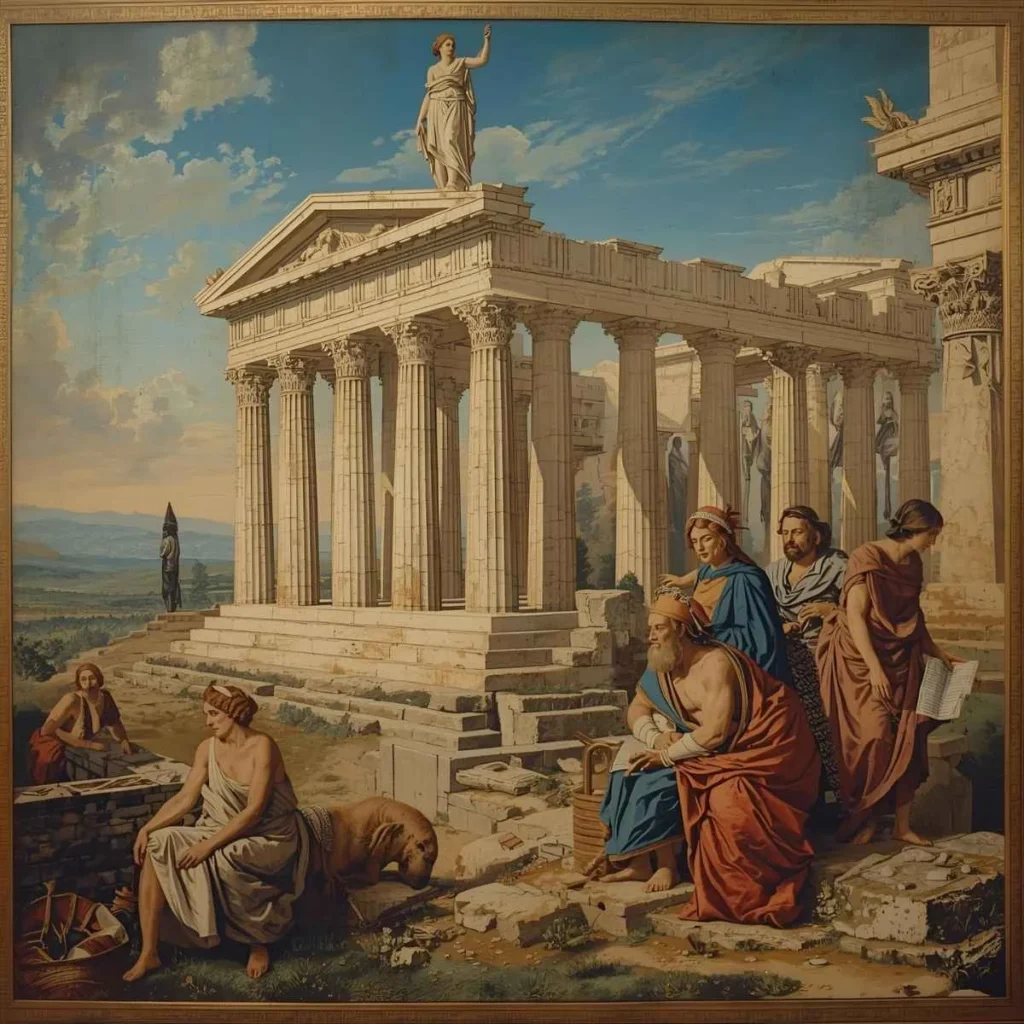
In temples dedicated to Asclepius, people practiced “incubation”—sleeping in sacred spaces to receive healing dreams. These ancient practices reflect the same human desire we have today: to find meaning and healing through dreams.
FAQs About Greek Mythology Dreams
1. What does it mean to dream of Greek gods?
It usually represents aspects of your personality, emotions, or current life challenges symbolized by those gods.
2. Are Greek mythology dreams spiritual messages?
They can be—especially if you feel a deep emotional or intuitive connection during the dream.
3. How can I remember my dreams better?
Keep a dream journal by your bed, avoid screens before sleep, and set the intention to remember your dreams each night.
4. Can modern science explain these dreams?
While science views dreams as brain activity, psychology sees them as mirrors of the subconscious—often rich in archetypal imagery from myths.
5. Why do these dreams feel so real?
Mythological dreams often carry strong emotion and vivid imagery because they connect to deep collective symbols within your psyche.
6. Are Greek mythology dreams rare?
Not at all. Many people report mythic or archetypal themes—especially during life transitions or spiritual growth phases.
Key Takeaways
- Greek mythology dreams are symbolic messages from your subconscious, reflecting divine archetypes and inner emotions.
- They connect modern self-discovery with ancient wisdom.
- Interpreting these dreams helps with emotional healing, self-awareness, and spiritual connection.
- Use journaling, reflection, and mythological study to decode their meanings.
- In 2025, mythology dreams are being reimagined through AI tools, therapy, and digital storytelling—keeping the gods alive in our imagination.
Conclusion: The Gods Still Speak—Are You Listening?
Your dreams are more than random images—they’re ancient stories retold through your soul’s language. Whether you meet Athena in a moment of doubt or Poseidon in a sea of emotion, each dream invites you to awaken a deeper truth within.
In 2025 and beyond, Greek mythology dreams remain timeless teachers, helping you reconnect with your purpose, courage, and divine potential.
So tonight, when you close your eyes, ask yourself: What myth is your soul ready to tell? 🌙

“Clara Whitmore, a dream psychology writer at DreamyDrug.com, explores emotional symbols and subconscious patterns to help readers understand their night visions.”