
Have you ever woken up from a vivid dream that left you wondering what it really meant? Dreams often feel mysterious, yet they hold powerful clues to our hidden desires, unspoken emotions, and inner motivations.
In 2025, as people become more conscious of mental wellness and self-awareness, understanding the connection between dreams and hidden desires is more important than ever. Whether you’re exploring spiritual growth, emotional healing, or personal transformation, your dreams can be the roadmap to the parts of yourself that words can’t express.
Let’s dive deep into how dreams reveal your innermost wishes, how to interpret them, and how to use dream insights to lead a more fulfilled and authentic life.
What Are Dreams and Hidden Desires?
Dreams are the mind’s way of processing experiences, emotions, and subconscious thoughts. While we sleep, the rational part of our brain rests — allowing suppressed feelings, fantasies, and unresolved conflicts to surface freely.
Your hidden desires are the longings and needs you might not consciously acknowledge — for love, freedom, success, or adventure. These desires often appear symbolically in dreams, disguised through metaphors and scenarios that reflect what your conscious mind avoids confronting.
For example:
- Dreaming of flying might represent your hidden desire for freedom or independence.
- Being lost could symbolize confusion or fear about a life decision.
- Meeting a stranger might mirror your longing for emotional connection or new beginnings.
In short, dreams act as mirrors reflecting your unspoken truths.
How Dreams Process Emotions: The Nighttime Healing 2025 Guide
The Psychology Behind Dreams and Hidden Desires
According to renowned psychologist Carl Jung, dreams are messages from the unconscious mind that help balance the psyche. Jung believed that dream symbols represent archetypes — universal images and themes shared across humanity — such as the “shadow,” “anima,” or “hero.”
Meanwhile, Sigmund Freud viewed dreams as the “royal road to the unconscious,” revealing repressed desires often linked to childhood experiences or unfulfilled needs.
In modern psychology (and 2025 neuro-research), we understand that dreams play a key role in:
- Emotional regulation – processing feelings we avoid during the day.
- Problem-solving – allowing creative insights to emerge subconsciously.
- Memory consolidation – helping the brain store and organize important information.
These insights show that dreams are not random—they are your subconscious communicating through symbols.
Why Understanding Dreams Matters in 2025
In today’s world of digital overload and constant distraction, our connection with our inner self is often lost. Learning to decode dreams and hidden desires helps you:
- Strengthen emotional intelligence and self-awareness.
- Make more aligned decisions in relationships or career.
- Heal unresolved emotional pain or trauma.
- Foster creativity, intuition, and authenticity.
As holistic well-being becomes a top priority in 2025, dream interpretation is increasingly recognized as a tool for mental health, personal growth, and even spiritual awakening.
How to Decode Dreams and Hidden Desires: Step-by-Step Guide
Step 1: Keep a Dream Journal
Write down your dreams immediately after waking. Record details like people, emotions, colors, and actions. Even small fragments matter. Over time, patterns will emerge.

Step 2: Identify Emotions Over Events
Rather than focusing solely on the storyline, note how you felt in the dream. Emotions often reveal what the dream symbolizes.
Example: Feeling anxious while running may symbolize pressure in real life rather than fear of running itself.
Step 3: Look for Recurring Themes
Are you often flying, falling, or losing something? Repetitive symbols highlight unresolved emotions or unmet desires that your subconscious keeps revisiting.
Step 4: Connect Dreams to Daily Life
Relate dream elements to your waking experiences. For instance, dreaming about being trapped could reflect a stifling job or relationship.
Step 5: Use Dream Dictionaries Mindfully
Symbol meanings can vary. While dream dictionaries offer clues, your personal associations matter more. A dog may represent loyalty for one person but fear for another.
Step 6: Reflect and Act
Ask yourself:
Then, take small, conscious actions to align your life with that message.
Common Dream Symbols and Their Hidden Desires
| Dream Symbol | Possible Hidden Desire |
|---|---|
| Flying | Freedom, ambition, escape from limitations |
| Water | Emotional release, cleansing, spiritual growth |
| Falling | Fear of failure, loss of control |
| Locked doors | Barriers to self-discovery or missed opportunities |
| Being chased | Avoidance of unresolved issues |
| Meeting someone new | Desire for connection, love, or adventure |
| Losing teeth | Anxiety about appearance or confidence |
| Discovering treasure | Realization of inner potential or talents |
The Benefits of Understanding Dreams and Hidden Desires
Exploring your dreams isn’t just mystical — it’s scientifically and emotionally beneficial. Here’s how:
1. Improves Mental Health
By interpreting dreams, you release repressed emotions and reduce anxiety or guilt associated with them.
2. Boosts Creativity
Many artists, writers, and innovators use dreams for inspiration. Paul McCartney famously dreamed the melody of “Yesterday.”
3. Deepens Self-Awareness
Recognizing your hidden desires helps you make authentic choices aligned with your values.
4. Enhances Relationships
When you understand your emotional triggers, you communicate and connect better with others.
5. Promotes Personal Growth
Dream insights often highlight areas where you feel stuck — encouraging transformation and empowerment.
Real-Life Example: How Dreams Reveal Desire
Consider “Sarah,” a 34-year-old graphic designer who repeatedly dreamed of missing trains. Through journaling, she realized this reflected her hidden fear of missing life opportunities. Once she acknowledged her desire to start her own design studio, the dream stopped recurring.
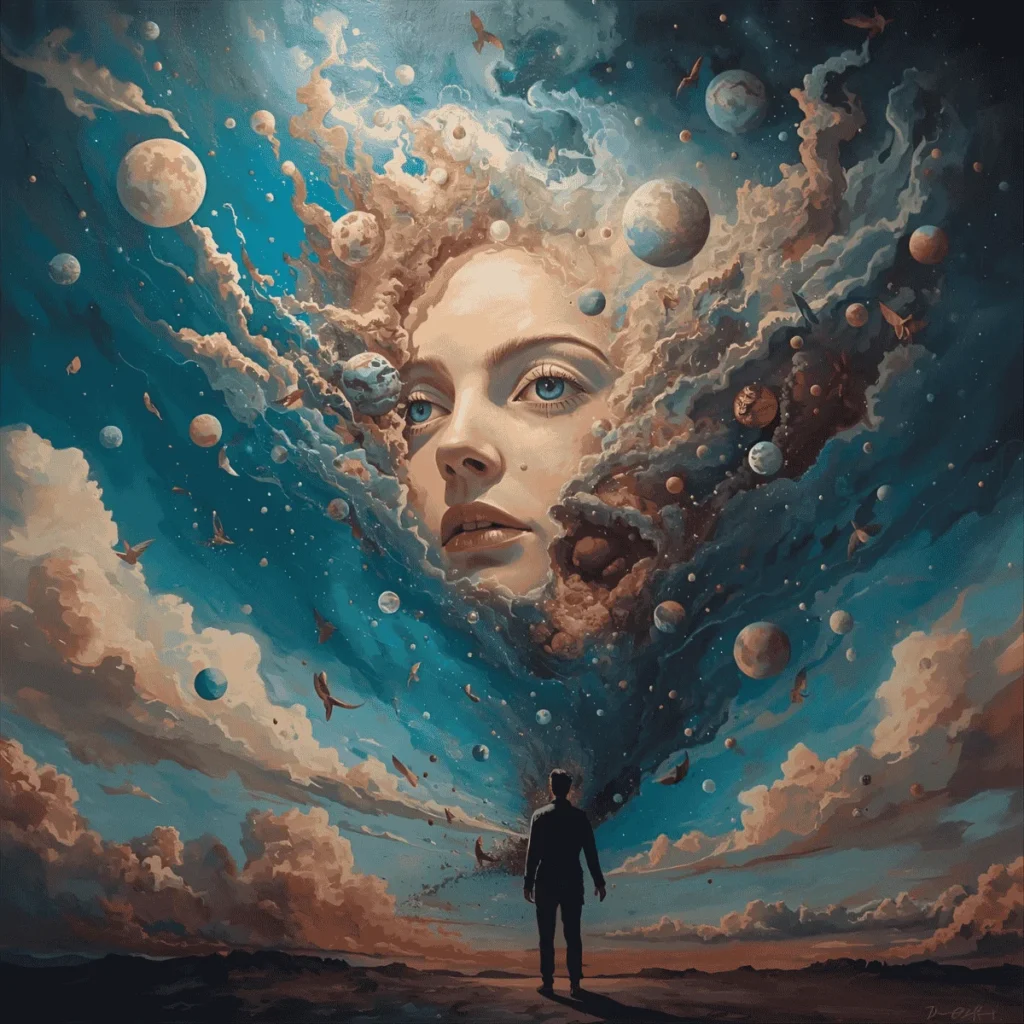
Dreams like Sarah’s remind us that your subconscious is always guiding you toward what your heart truly wants.
Common Mistakes in Dream Interpretation (and How to Avoid Them)
❌ Mistake 1: Taking Dreams Literally
Dreams are symbolic. If you dream of falling, it doesn’t mean you’ll physically fall — it could represent fear of failure.
❌ Mistake 2: Ignoring Emotions
Focusing only on events misses the emotional core that carries the real message.
❌ Mistake 3: Overusing Online Dream Dictionaries
Generic meanings can mislead. Always connect symbols to your personal life.
❌ Mistake 4: Forgetting to Record Dreams
Dreams fade quickly after waking. Without journaling, valuable insight is lost.
✅ Tip: Combine logic with intuition. Interpret patterns, but trust your gut feeling about what resonates most.
Dreams, Hidden Desires, and Modern Science (2025 Updates)
Recent neuropsychology research in 2025 reveals that:
- REM sleep (when most vivid dreams occur) enhances emotional memory consolidation.
- AI-assisted dream journaling apps can now identify mood patterns from your written entries.
- Lucid dreaming techniques are being used in therapy to help individuals confront fears or trauma safely.
Popular tools like DreamAI and MindLens allow users to record, analyze, and even visualize dream symbols — merging ancient wisdom with modern technology.
Cultural and Historical Perspectives
Across cultures and centuries, dreams have always fascinated humanity:
- Ancient Egyptians believed dreams were messages from gods.
- Native American tribes used dreamcatchers to protect against negative visions.
- Greek philosophers like Aristotle studied dreams as natural reflections of the mind.
Today, in 2025, dreams are seen not just as spiritual messages but as psychological maps that unite ancient mysticism with modern mindfulness.
Practical Tips to Understand Your Dreams Better
- Avoid screens before sleep – digital overstimulation clouds dream recall.
- Set a bedtime intention – ask your mind a question before sleeping (“What do I need to understand today?”).
- Meditate or journal before bed – helps focus subconscious energy.
- Use voice notes – record dream fragments instantly upon waking.
- Create a calm sleep environment – scents like lavender promote vivid, peaceful dreams.
- Join dream discussion groups – sharing interpretations with others broadens perspective.
- Pay attention to morning emotions – your first feeling upon waking often hints at the dream’s core message.
2025 Trends in Dream Analysis
- AI Dream Interpretation: Smart apps analyze recurring symbols using emotional data.
- Therapeutic Dreamwork: Psychologists integrate dream analysis into trauma recovery.
- Dream Circles and Retreats: Wellness communities gather for collective dream sharing.
- Lucid Dreaming Training: Used for mindfulness and creative exploration.
Dream interpretation in 2025 is no longer “woo-woo” — it’s becoming part of mainstream wellness and psychology.
FAQs About Dreams and Hidden Desires

1. Do all dreams have hidden meanings?
Not every dream is symbolic. Some simply process daily stress, while others carry deep emotional or spiritual insight.
2. Why can’t I remember my dreams?
Poor sleep quality, stress, or inconsistent sleep cycles can block recall. Keeping a journal and avoiding caffeine before bed can help.
3. Can dreams predict the future?
There’s no scientific proof, but intuition often communicates through symbolic dreams that later align with real events.
4. What’s the difference between a dream and a nightmare?
Both express emotions — but nightmares highlight fears or unresolved trauma, urging healing and awareness.
5. How can I use dream insights in daily life?
Reflect on dream emotions, recognize patterns, and take small actions that align with your subconscious desires.
6. Should I talk to a therapist about recurring dreams?
Yes — especially if dreams cause anxiety or reveal deep emotional distress. Dream-focused therapy can offer powerful breakthroughs.
Key Takeaways
- Dreams are the language of your subconscious, revealing your deepest feelings and hidden desires.
- Every dream — pleasant or unsettling — carries a message worth decoding.
- By journaling, reflecting, and acting on insights, you align your waking life with your inner truth.
- In 2025, blending traditional dream wisdom with digital tools opens new paths to emotional healing and self-awareness.
Conclusion
Your dreams are not random flickers of imagination — they’re windows into your soul’s desires. When you pay attention, they can guide you toward clarity, growth, and authenticity.
So tonight, before you drift into sleep, set an intention: “Show me what my heart truly wants.” You might be surprised at the wisdom that greets you in your dreams.
In 2025 and beyond, let your subconscious be your most trusted life coach — it already knows what you’re longing for.

“Evelyn Hartwell, a spiritual dream guide at DreamyDrug.com, interprets symbolic dreams and emotional patterns to help readers understand their inner world.”