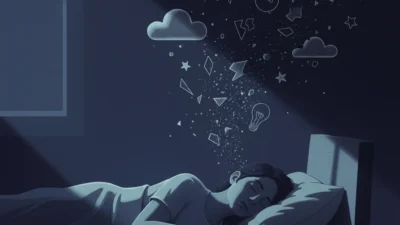

Sleep is one of the most essential aspects of our lives, yet it comes with mysterious and sometimes unsettling experiences. Among them, a sleep paralysis dream stands out as both intriguing and terrifying. Imagine waking up in the middle of the night, unable to move your body, yet fully aware of your surroundings. That frozen feeling, often accompanied by vivid hallucinations, can be alarming—but it’s more common than you think.
In 2025, as we explore the mind’s nocturnal mysteries, understanding sleep paralysis dreams has never been more relevant. Not only can this knowledge help you cope with frightening episodes, but it also opens doors to self-awareness, mental health insights, and even lucid dreaming practices.
What is a Sleep Paralysis Dream?
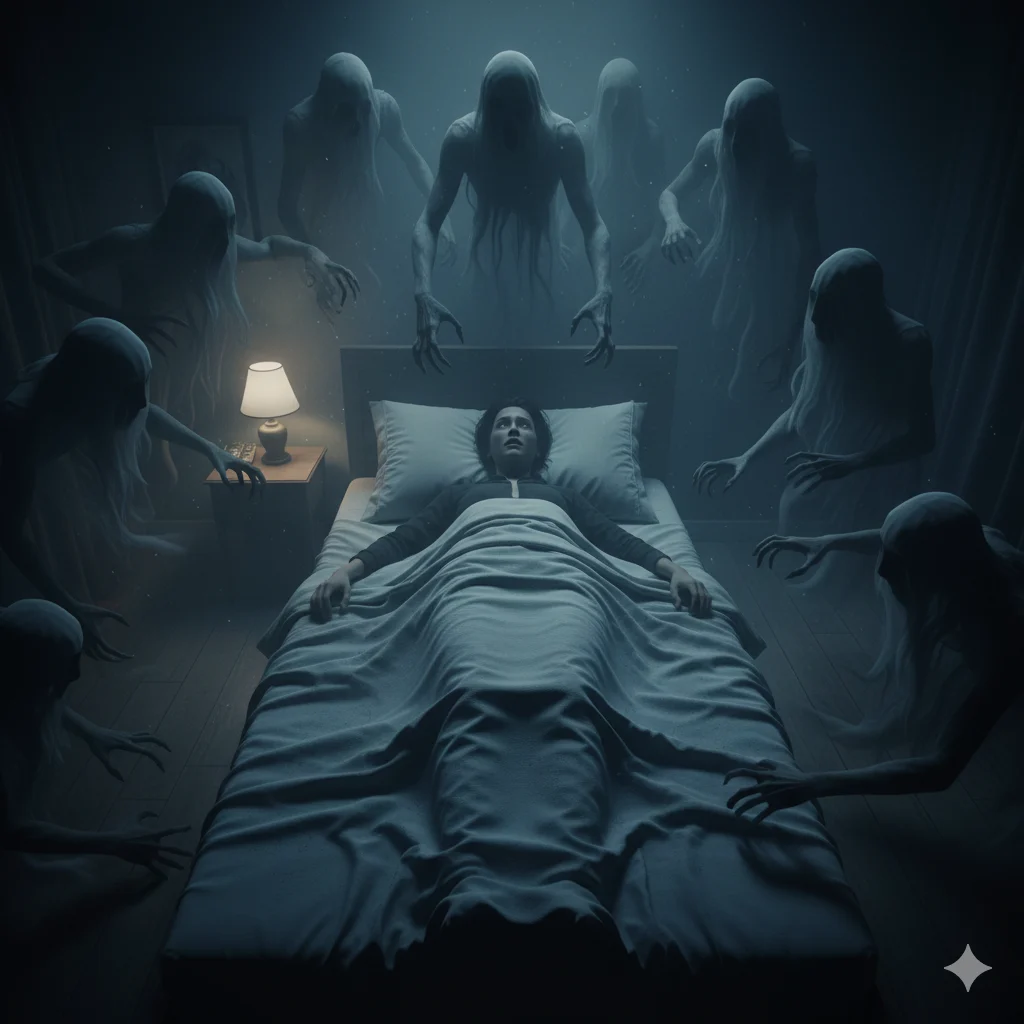
A sleep paralysis dream occurs when your mind wakes up while your body remains temporarily paralyzed. During this state, you may experience vivid dreams, hallucinations, or a sense of pressure on your chest. Although it feels scary, it is not dangerous physically.
Key Features:
- Inability to move or speak
- Awareness of your surroundings
- Hallucinations (auditory, visual, or tactile)
- Sense of dread or fear
Scientifically, sleep paralysis happens during the transition between REM (Rapid Eye Movement) sleep and wakefulness. In REM sleep, your body naturally enters a temporary paralysis to prevent you from acting out dreams. Sometimes, your brain wakes up before the body does, resulting in a sleep paralysis dream.
Benefits and Insights of Sleep Paralysis Dreams
While terrifying for many, sleep paralysis dreams offer unique insights and even benefits:
1. Self-Awareness and Mindfulness
Experiencing a sleep paralysis dream can increase your understanding of your mind-body connection. Recognizing that your fear is generated by your brain and not an external threat fosters mindfulness.
2. Dream Control and Lucid Dreaming
Sleep paralysis often precedes lucid dreaming. With practice, you can transition from a paralyzing state into a controlled dream, exploring your subconscious safely.
3. Psychological Insight
These dreams can reveal stress, anxiety, or unresolved emotional conflicts. By reflecting on recurring themes, you can gain insight into your mental and emotional well-being.
4. Cultural and Historical Fascination
Historically, sleep paralysis has been linked to folklore, from demonic visits in Europe to ghostly encounters in Asia. Understanding these cultural interpretations adds depth to your experience and normalizes the phenomenon.
Causes and Triggers in 2025
Several factors can increase the likelihood of experiencing a sleep paralysis dream:
- Sleep deprivation: Irregular or insufficient sleep disrupts REM cycles.
- Stress and anxiety: Heightened mental stress can trigger episodes.
- Sleeping position: Lying on your back increases the chance of paralysis.
- Substance use: Alcohol, caffeine, or certain medications may interfere with sleep cycles.
- Modern lifestyle factors: Increased screen time, irregular schedules, and high-stimulation environments contribute in 2025 more than ever.
How to Handle Sleep Paralysis Dreams: A Step-by-Step Guide
You don’t have to fear a sleep paralysis dream. Here’s a practical guide to navigating and reducing episodes:
Step 1: Recognize the State
- Remind yourself that you are experiencing a temporary state.
- Mentally reassure yourself: “I am safe, and this will pass.”
Step 2: Focus on Breathing
- Take slow, deep breaths.
- Concentrate on calming your mind to reduce panic.

Step 3: Small Movements
- Start by wiggling fingers or toes.
- Gradually move larger body parts to regain full mobility.
Step 4: Use Mental Anchors
- Visualize positive imagery or a safe place.
- Repeat affirmations mentally to shift your focus.
Step 5: Prepare for the Next Episode
- Keep a sleep journal to track frequency and triggers.
- Improve sleep hygiene by maintaining a regular schedule and avoiding screens before bed.
Real-Life Examples: What People Experience
- Emma, 29: “I woke up unable to move, and it felt like a shadow was in the room. I focused on breathing and imagined floating—eventually, I drifted into a lucid dream.”
- David, 42: “During college exams, I had frequent sleep paralysis dreams. Keeping a sleep diary and meditating before bed reduced them significantly.”
These examples highlight that sleep paralysis dreams are common and manageable with awareness and practice.
Common Mistakes to Avoid
Even with guidance, many people make mistakes that worsen sleep paralysis dreams:
- Panic and resistance: Struggling against paralysis intensifies fear.
- Ignoring triggers: Neglecting sleep hygiene or stress management increases frequency.
- Misinterpreting the experience: Believing hallucinations are real can cause lasting anxiety.
- Skipping expert advice: Persistent episodes may indicate underlying sleep disorders.
Avoiding these mistakes helps you navigate episodes calmly and gain potential benefits.
Expert Tips for Managing Sleep Paralysis Dreams
- Optimize your sleep environment: Keep your room dark, quiet, and cool.
- Practice relaxation techniques: Meditation, yoga, or deep breathing before bed.
- Maintain a sleep schedule: Consistency helps regulate REM cycles.
- Seek professional advice if frequent: A sleep specialist can rule out conditions like narcolepsy or sleep apnea.
- Explore lucid dreaming exercises: Techniques like reality checks or dream journaling can convert sleep paralysis into a positive experience.
Modern Trends and Tools in 2025
In 2025, technology and research offer new tools to understand and manage sleep paralysis dreams:
- Sleep trackers: Devices like smartwatches monitor REM cycles to optimize sleep.
- Meditation and sleep apps: Guided meditations reduce stress and improve sleep quality.
- Virtual reality sleep therapy: Emerging VR programs simulate safe dream environments to reduce anxiety.
- AI-powered dream analysis: Apps help identify recurring themes and triggers in your sleep patterns.
Cultural and Historical Perspective
Across cultures, sleep paralysis has been interpreted differently:
- Europe: Often associated with nocturnal demons.
- Japan: Called “kanashibari,” interpreted as spiritual binding.
- Nigeria: Viewed as witchcraft or spiritual attack.
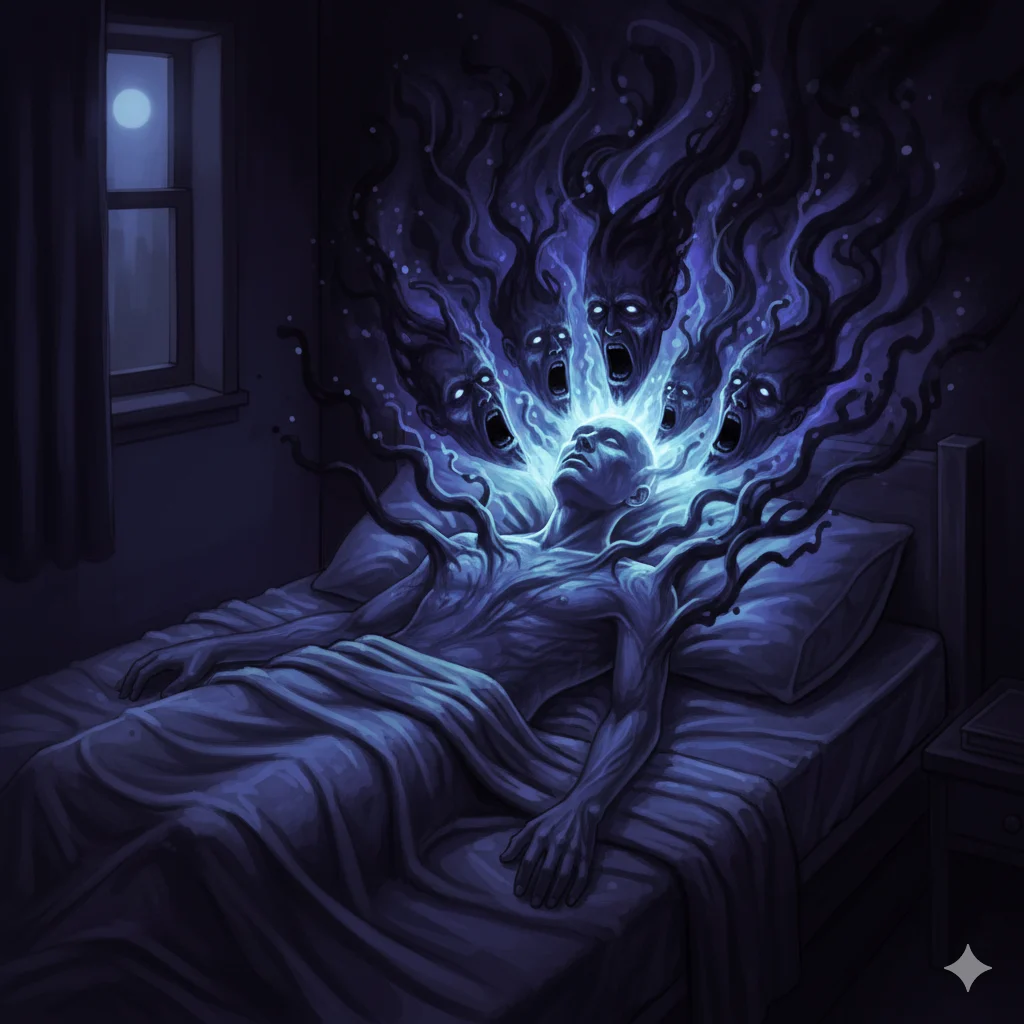
Modern research demystifies these experiences, showing that they are neurological events rather than supernatural. However, understanding these beliefs offers cultural insight and empathy for diverse experiences.
Frequently Asked Questions (FAQs)
Q1: Is sleep paralysis dangerous?
No, it is generally harmless physically, though it can cause temporary fear or anxiety.
Q2: How long does a sleep paralysis dream last?
Typically a few seconds to 2 minutes, but it can feel longer due to heightened awareness.
Q3: Can anyone experience sleep paralysis?
Yes, it affects people of all ages, though stress, sleep deprivation, and irregular schedules increase risk.
Q4: Can sleep paralysis be prevented?
Improving sleep hygiene, managing stress, and sleeping in positions that reduce triggers can significantly lower occurrences.
Q5: Are there benefits to sleep paralysis dreams?
Yes, including heightened self-awareness, lucid dreaming potential, and psychological insights.
Key Takeaways
- Sleep paralysis dreams are temporary, harmless episodes where the mind wakes before the body.
- They often involve vivid hallucinations and a feeling of being unable to move.
- Managing stress, optimizing sleep, and using mindful techniques can reduce frequency.
- With practice, sleep paralysis can be a gateway to lucid dreaming and personal insight.
- Understanding cultural interpretations and modern research enhances both curiosity and coping skills.
In 2025, embracing knowledge about sleep paralysis dreams allows you to turn a once-frightening experience into an opportunity for self-growth, awareness, and even enjoyment. Next time you wake up frozen, remember: you are safe, and this mysterious window into your mind can be transformed into a tool for understanding yourself better.

“Evelyn Hartwell, a spiritual dream guide at DreamyDrug.com, interprets symbolic dreams and emotional patterns to help readers understand their inner world.”