If you’ve been feeling tired no matter how much you sleep, waking up groggy, or struggling to fall asleep even after a long day, you’re not alone. In 2025, millions of people around the world are reporting poor sleep quality due to stress, screens, and fast-paced lifestyles. That’s exactly why practicing effective sleep hygiene tips has become more important than ever.
Good sleep isn’t just “nice to have”—it’s the foundation of your emotional stability, mental clarity, immune system, and daily energy. Whether you’re a student, a parent, or a busy professional, optimizing your sleep environment and habits can transform your entire life.
In this comprehensive guide, you’ll discover what sleep hygiene is, why it matters in 2025, and how to use scientifically backed techniques to reset your sleep cycle, boost your productivity, and wake up feeling refreshed every morning.
What Is Sleep Hygiene? A Simple Definition
Sleep hygiene refers to the set of healthy habits, routines, and environmental factors that support high-quality sleep. These habits influence how quickly you fall asleep, how deeply you sleep, and how refreshed you feel the next day.
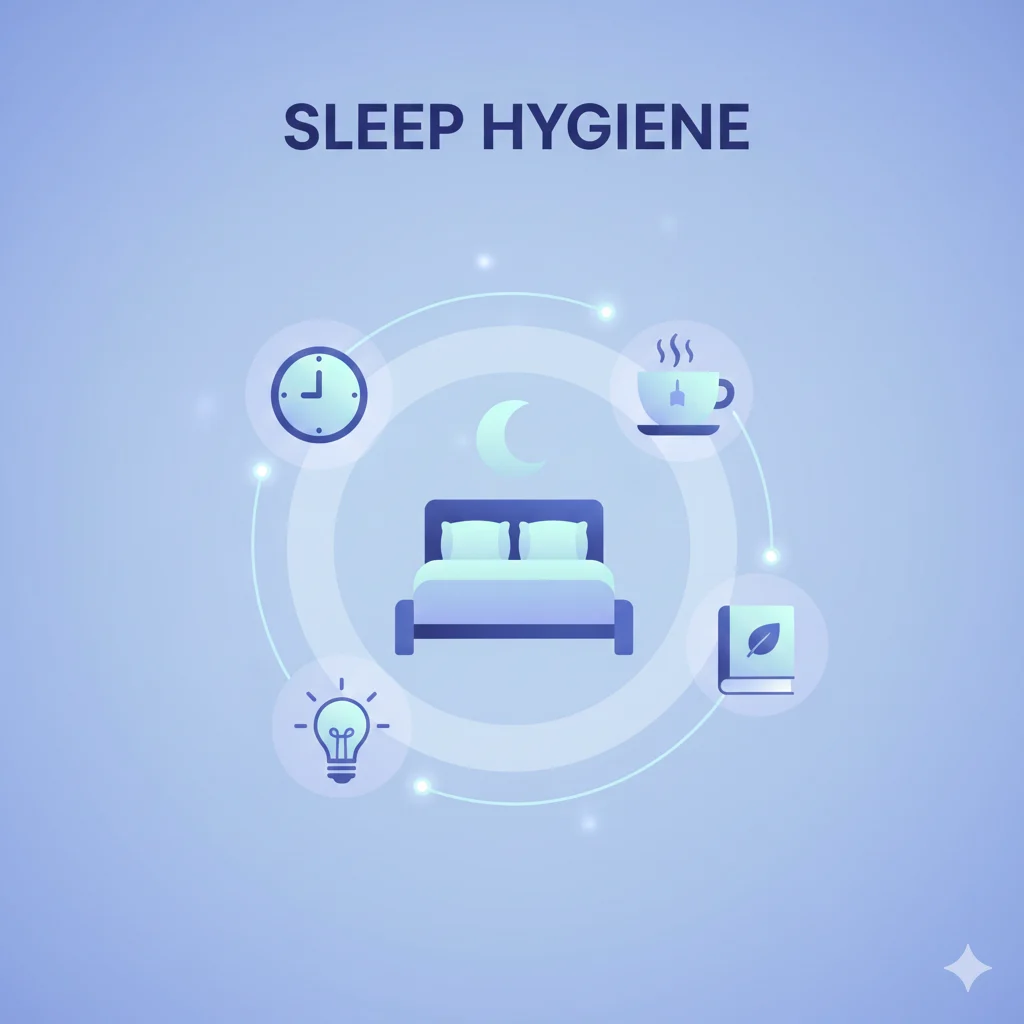
Think of sleep hygiene as the “diet and exercise plan” for your sleep. When your hygiene is strong, everything—your mood, focus, creativity, physical energy—improves naturally.
Why Sleep Hygiene Tips Matter More Than Ever in 2025
In 2025, lifestyle challenges have intensified:
- Increased screen time
- AI and remote work blurring work-life boundaries
- Rising stress and anxiety
- Late-night scrolling and digital overstimulation
- Irregular eating and sleeping schedules
Studies show that people now sleep 20–30 minutes less on average than they did 10 years ago. Yet the demands of life keep increasing.
That’s why implementing effective sleep hygiene tips is one of the most important wellness practices of this decade.
Benefits of Practicing Good Sleep Hygiene
When you consistently follow sleep hygiene techniques, you can experience:
✔️ Better mood and lower anxiety
Quality sleep regulates hormones like cortisol and serotonin.
✔️ Sharper focus and mental clarity
Deep sleep supports memory, creativity, and decision-making.
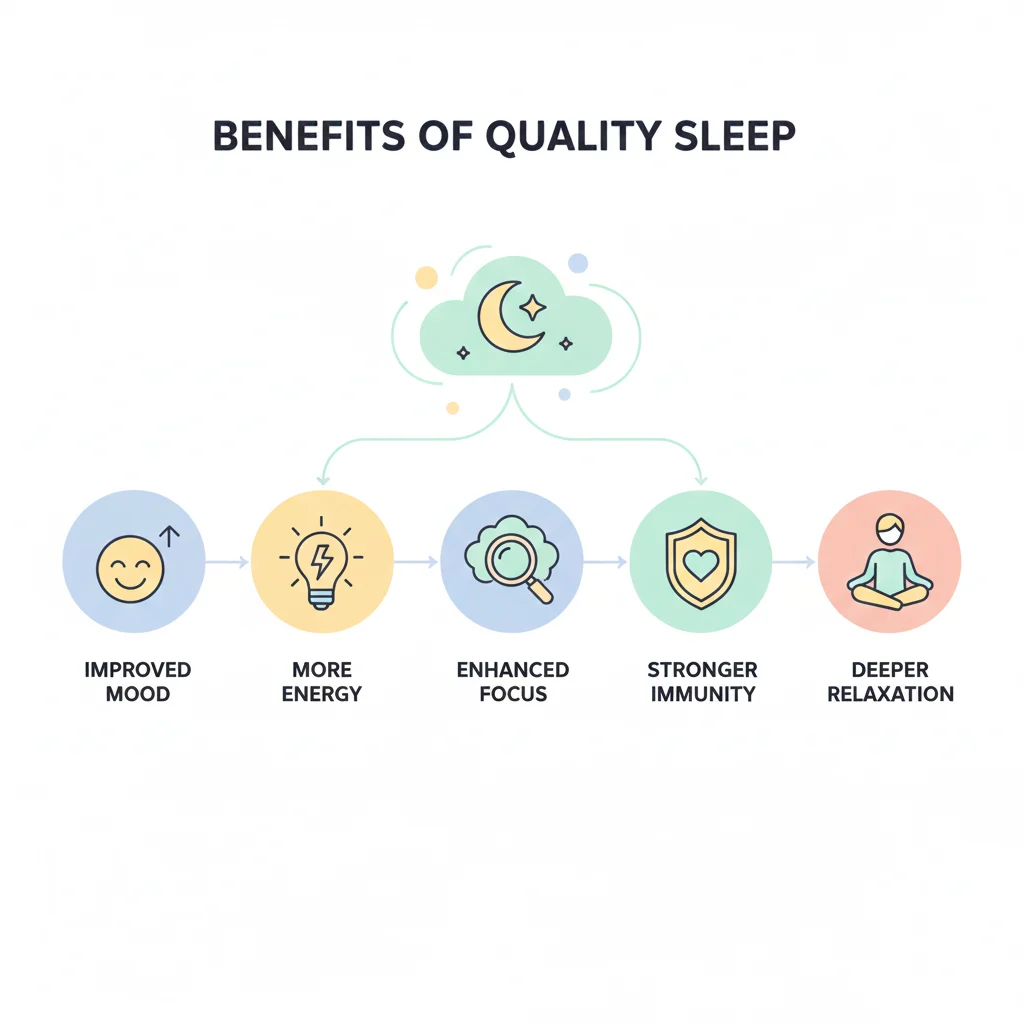
✔️ More energy throughout the day
You feel less sluggish and more productive.
✔️ Stronger immune system
Your body restores itself during non-REM sleep.
✔️ Reduced risk of chronic diseases
Good sleep is linked to a lower risk of heart disease, diabetes, and obesity.
✔️ Improved skin and physical appearance
Healthy sleep = healthy glow.
Top 15 Sleep Hygiene Tips You Can Start Using Tonight
Below is a complete framework—practical, science-based, and tailored for 2025 lifestyles.
1. Keep a Consistent Sleep Schedule
Going to bed and waking up at the same time trains your internal clock. Even weekends should stay close to your routine.
✔ Helps regulate hormonal rhythms
✔ Reduces grogginess
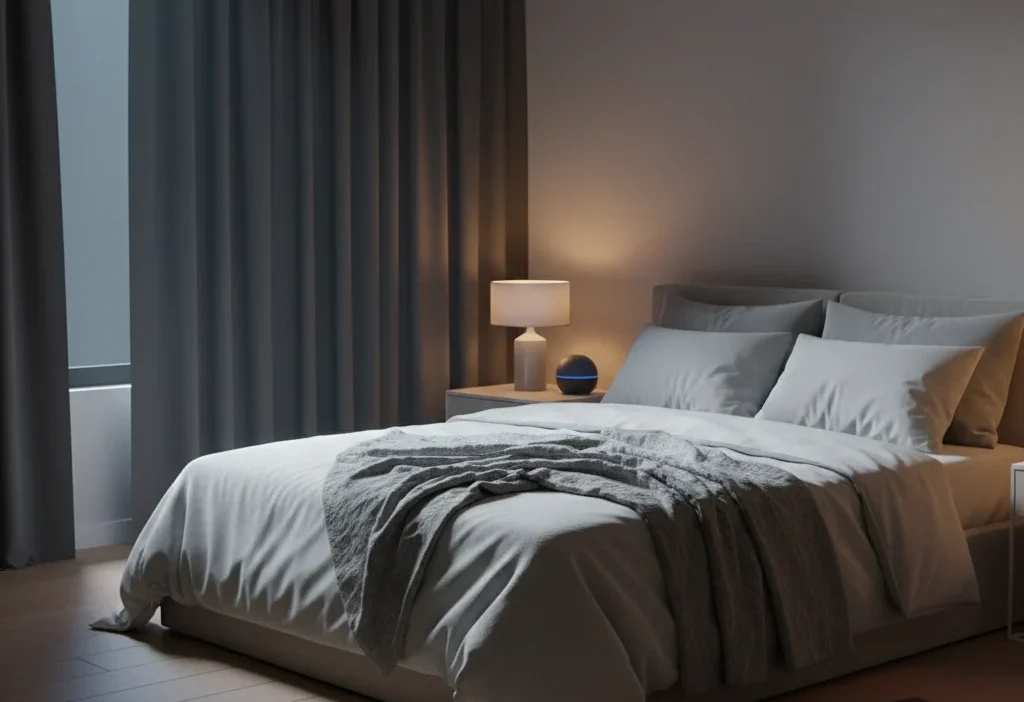
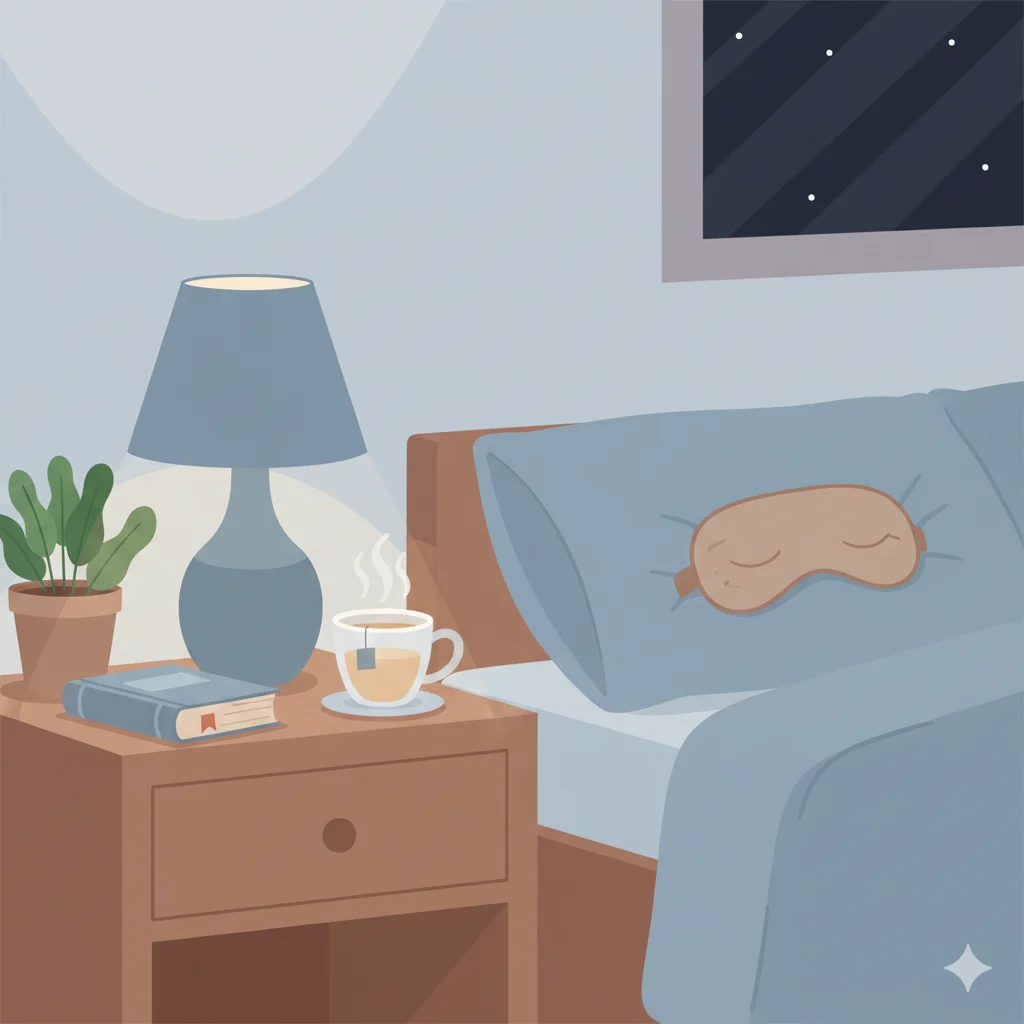
2. Create a Calm and Dark Sleep Environment
Darkness tells your brain it’s time to sleep by increasing melatonin.
Ways to create darkness:
- Thick curtains
- Eye masks
- Covering LED lights
- Dimming lights one hour before bed
3. Limit Blue Light Exposure at Night
Blue light from phones and screens suppresses melatonin by almost 50%.
Use:
- Blue-light blocking glasses
- Night mode on devices
- “Screen curfew” 1 hour before sleep
4. Optimize Your Bedroom Temperature
Experts recommend 18–20°C (64–68°F).
A cooler room promotes deeper sleep and reduces nighttime awakenings.
5. Avoid Heavy Meals Before Bed
Eating late can cause indigestion and disrupt REM sleep.
Instead:
- Light snacks (banana, yogurt, chamomile tea)
- Avoid caffeine after 3 PM
6. Build a Relaxing Pre-Sleep Routine
Your body needs time to wind down.
Try:
- Warm shower
- Reading
- Soft stretching
- Journaling your thoughts
This signals your brain that rest is coming.
7. Keep Your Bedroom Quiet
Noise—even small sounds—can break your sleep cycle.
Options:
- White noise apps
- Earplugs
- Low-volume fan
8. Reduce Stress With Mindfulness or Breathing Exercises
Stress is one of the biggest sleep killers.
Try a 4-7-8 breathing exercise:
- Inhale 4 seconds
- Hold 7 seconds
- Exhale 8 seconds
Repeat 5–7 cycles.
9. Limit Naps to 20–30 Minutes
Long naps can push your bedtime later.
Short “power naps” improve alertness without hurting nighttime sleep.
10. Move Your Body During the Day
Regular exercise improves sleep depth, but avoid intense workouts late at night.
Good options:
- Walking
- Yoga
- Light strength training
11. Keep Your Bed for Sleeping Only
If you work, watch TV, or scroll in bed, your brain stops associating it with rest.
Train your mind to connect your bed with sleep only.
12. Manage Evening Emotions
If you’re emotionally overwhelmed, your brain stays hyperactive.
Try:
- Gratitude journaling
- Talking to someone
- Light meditation
13. Use Calming Scents
Lavender, chamomile, and sandalwood have proven calming effects.
Even a mild scent can lower heart rate and anxiety.
14. Limit Liquids Before Bed
Too much water leads to bathroom trips at night.
Drink more water earlier in the day.
15. Check Your Mattress and Pillow Health
Old or poor-quality bedding can cause:
- Body aches
- Restless nights
- Overheating
Replace pillows every 1–2 years and mattresses every 7–10 years.
2025 Sleep Hygiene Trends You Should Know
To keep this guide modern and helpful, here are the latest updates in sleep-health practices:
✔ AI-Powered Sleep Apps
Apps like:
- SleepScore
- Calm
- Moonlight AI
Analyze sleep cycles and suggest personalized improvements.
✔ Smart Home Sleep Features
Smart bulbs automatically dim lights based on your sleep schedule.
✔ Wearable Sleep Monitors
2025 devices track:
- Breathing
- REM cycles
- Heart rate variability
- Noise disruptions
✔ Digital Detox Movements
More people in 2025 use “Tech-Free Hours” before bed.
✔ Circadian Lighting Systems
These bulbs mimic natural sunset colors to stabilize your body clock.
How to Build a Personalized Sleep Hygiene Routine
Here is a simple step-by-step plan you can start tonight.
Step 1: Set Your Ideal Sleep Hours
Aim for 7–9 hours, depending on your age and lifestyle.
Step 2: Design Your Perfect Bedroom
- Choose soft lighting
- Keep clutter minimal
- Reduce screen presence
Step 3: Build an Evening Ritual
Choose three activities:
- Reading
- Journaling
- Stretching
- Meditation
Step 4: Track Your Sleep Patterns
Keep a sleep diary:
- What time you slept
- Wake-ups
- Morning mood
Step 5: Adjust According to Observations
If you feel groggy:
- Sleep earlier
- Reduce caffeine
- Adjust light exposure
Real-Life Scenarios: How Sleep Hygiene Helps
Real examples help you understand how powerful these tips can be.
Example 1: The Overworked Student
Sara, a university student, slept at random times. Her grades dropped and she felt tired all day. After controlling her screen use and fixing her schedule, she noticed:
- Better concentration
- Reduced stress
- Clearer memory
Example 2: The Busy Mother
A working mom struggled with broken sleep. She added lavender aromatherapy and a bedtime checklist for the kids.
She experienced:
- Calmer nights
- Fewer nighttime awakenings
- More morning energy
Example 3: The Remote IT Worker
Ali was always on screens. By turning on blue-light filters and switching to an evening reading routine, he improved his melatonin levels and sleep quality.
Common Sleep Hygiene Mistakes to Avoid
Even people who try to improve their sleep fall into these traps:
- Scrolling right before sleeping
- Using harsh bedroom lighting
- Sleeping in a noisy or warm room
- Drinking coffee late
- Oversleeping on weekends
- Eating heavy meals at night
Avoiding these mistakes can immediately improve your sleep.
Expert Sleep Hygiene Tips for Faster Results
Here are deeper, more advanced recommendations:
✔ Adopt a “Bedtime Anchor”
Choose one action you always do before sleeping, such as reading. This trains your brain.
✔ Try Cognitive Shuffle
A 2025 trending method: Think of random, non-related objects (apple, balloon, spoon). It distracts your brain from stress.
✔ Simulate Sunset Indoors
Use dim red lighting an hour before sleep.
✔ Use a Warm to Cool Shower Method
Warm water relaxes muscles, followed by cool air to trigger sleepiness.
FAQs About Sleep Hygiene Tips
1. How long does it take to see results from sleep hygiene changes?
Most people feel improvement within 3–7 days, but full circadian regulation can take 2–3 weeks.
2. Can bad sleep hygiene cause anxiety or depression?
Poor sleep worsens emotional regulation and increases anxiety symptoms.
3. Is it okay to consume caffeine in the evening?
No. Caffeine stays in your system for 6–8 hours and can disrupt deep sleep.
4. Does exercising at night affect sleep?
Intense workouts do. Light yoga or stretching is ideal.
5. How many hours of sleep do adults need?
Most adults need 7–9 hours depending on their body type and lifestyle.
Key Takeaways
- Sleep hygiene refers to habits that support quality sleep.
- Consistent routines, darkness, and stress reduction significantly improve sleep.
- Modern 2025 tools—from AI apps to circadian lighting—make sleep health easier to manage.
- Small, daily changes can transform your energy, mood, and productivity.
Conclusion:
Improving your sleep isn’t just about feeling less tired—it’s about reclaiming your health, emotional balance, and inner peace in a fast-moving world. With the right sleep hygiene tips, you can fall asleep faster, stay asleep longer, and wake up ready to take on your day.
The steps are simple. The impact is life-changing.
Start today. Your future self will thank you.