Night terrors are one of the most unsettling sleep experiences, yet many people often confuse them with nightmares. If you or a loved one has experienced sudden bouts of fear, screaming, or thrashing during sleep, understanding the night terrors meaning is crucial. In 2025, as awareness of sleep health continues to grow, learning how to identify, manage, and prevent night terrors can dramatically improve your overall well-being.
What Are Night Terrors?
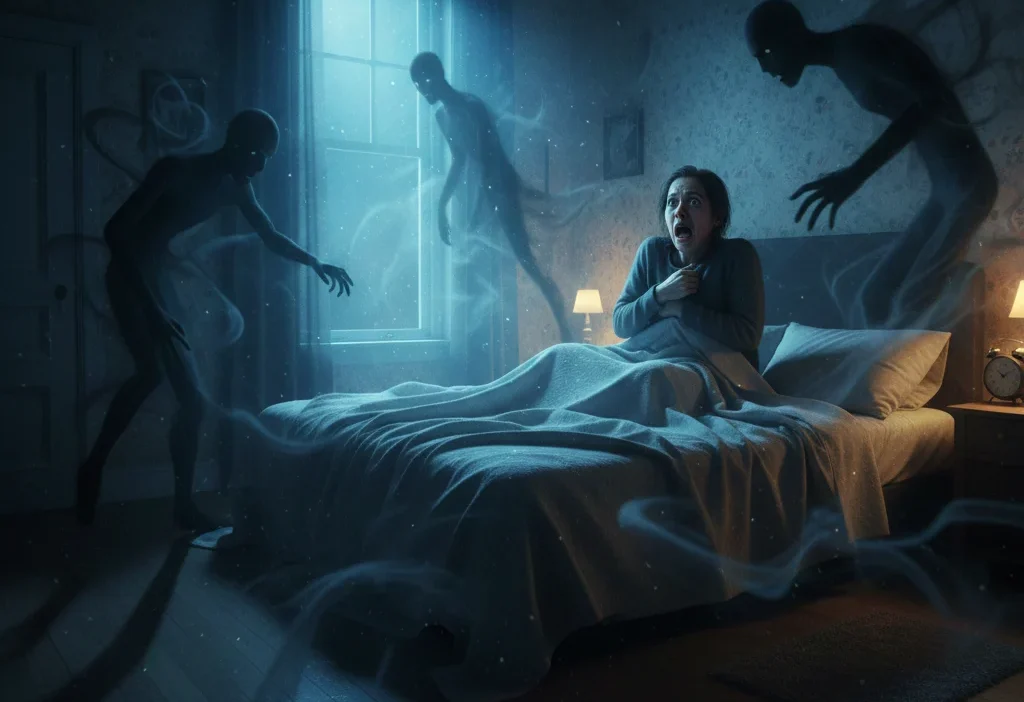
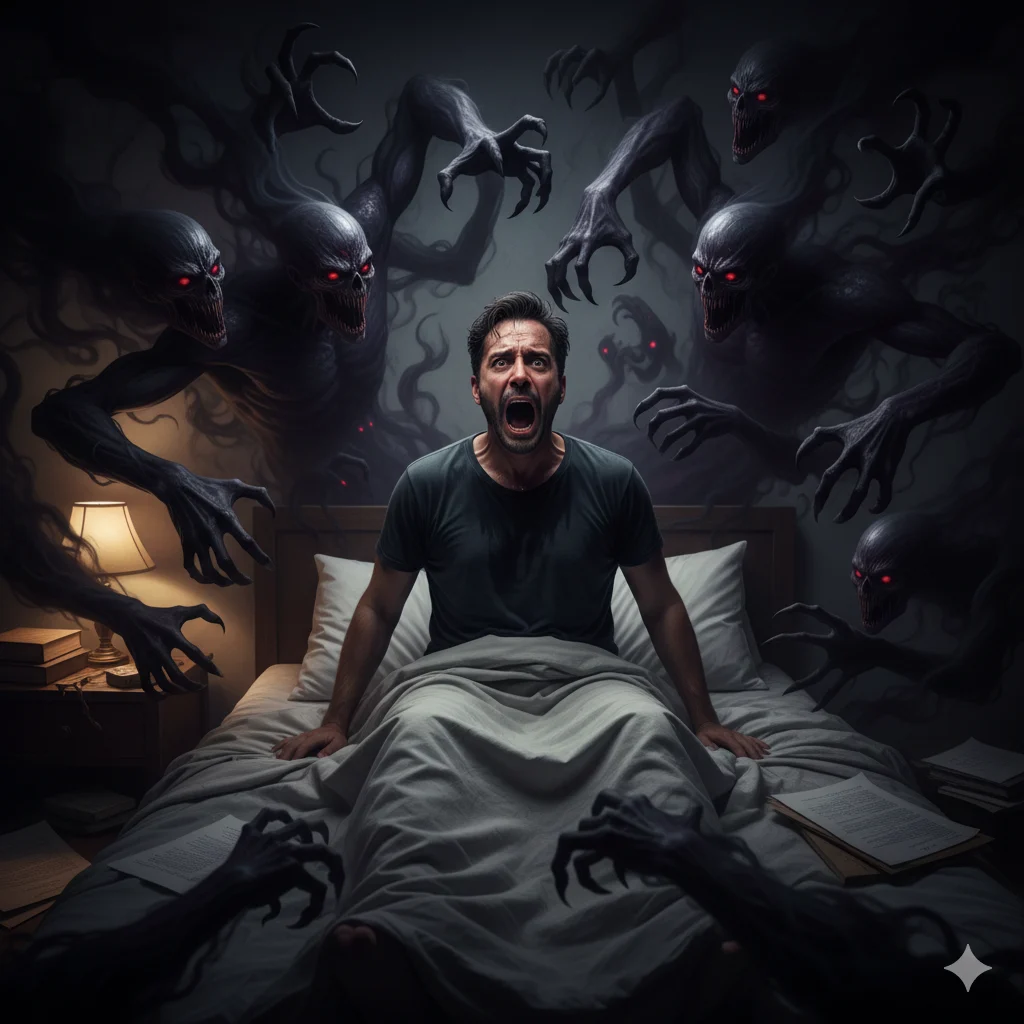
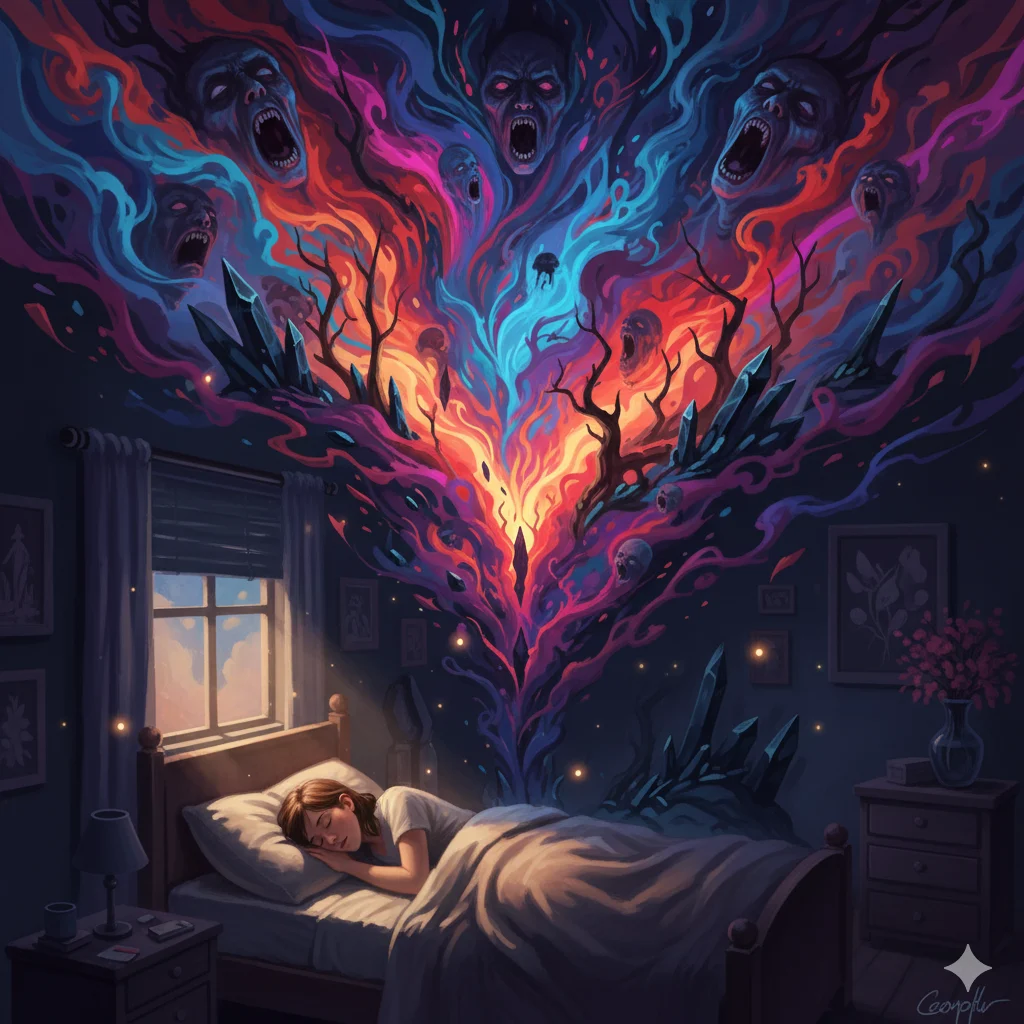
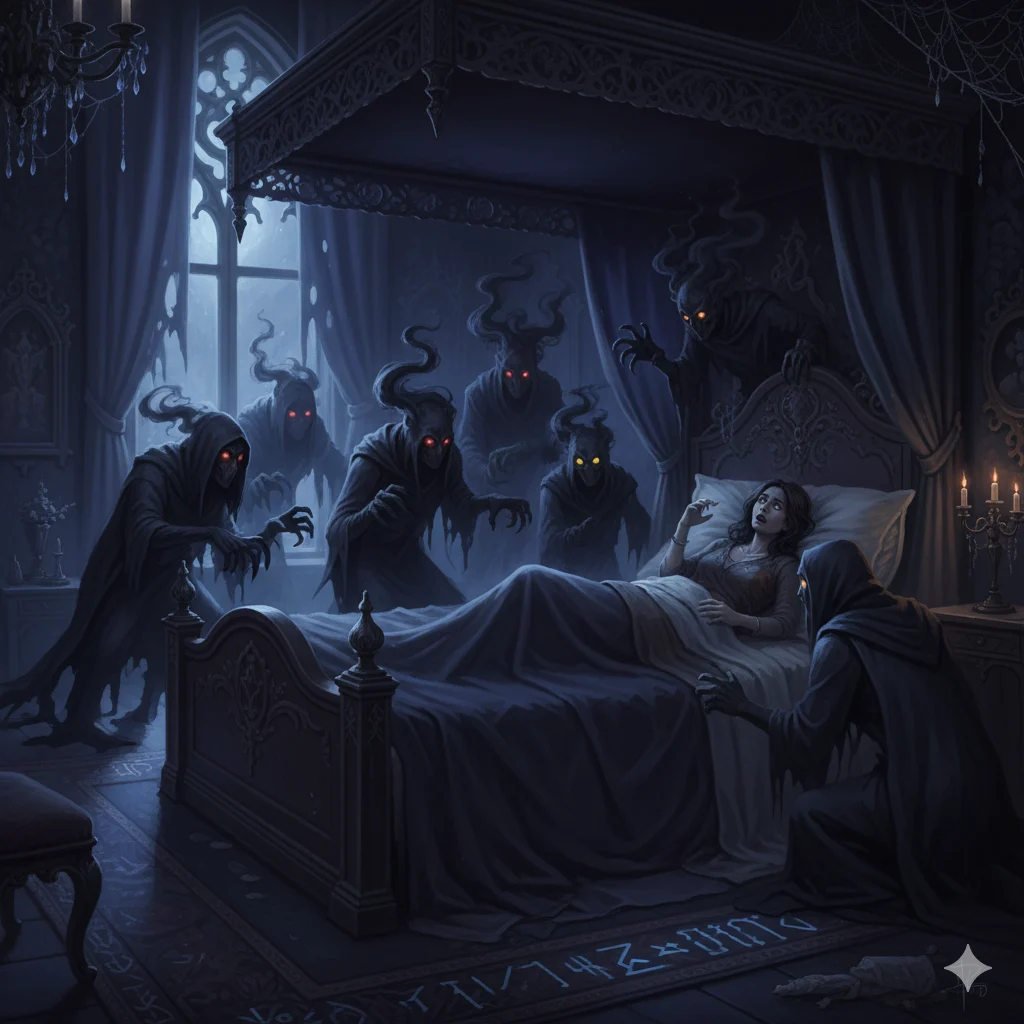
Night terrors, medically known as sleep terrors, are episodes of intense fear, screaming, and agitation during deep sleep. Unlike nightmares, which occur during REM sleep and are often remembered, night terrors typically happen during non-REM sleep stages (usually within the first few hours of falling asleep) and leave little to no memory of the event.
Key characteristics include:
- Sudden waking with intense fear
- Screaming, crying, or thrashing
- Rapid heartbeat or sweating
- Confusion and disorientation upon waking
Night terrors are more common in children but can also affect adults, especially during periods of stress, sleep deprivation, or certain medical conditions. Recognizing the meaning of night terrors is the first step toward managing them effectively.
Why Understanding Night Terrors Matters in 2025
Sleep health is gaining attention worldwide, and in 2025, mental well-being is closely linked to restorative sleep. Night terrors not only disrupt sleep quality but can also impact daytime mood, focus, and overall health. By understanding night terrors:
- You reduce anxiety around bedtime
- Improve relationships (especially if a partner is affected)
- Prevent potential injuries from thrashing or sudden movements
- Support long-term sleep hygiene and mental wellness
Causes of Night Terrors
Night terrors can result from a combination of factors. Here’s a breakdown:
1. Sleep Deprivation
Insufficient sleep disrupts the sleep cycle, increasing the risk of night terrors. In our fast-paced 2025 lifestyle, many adults sacrifice sleep for work or screen time.
2. Stress and Anxiety
High levels of stress trigger physiological arousal during sleep. Even if you feel relaxed at bedtime, your subconscious mind may manifest stress through night terrors.
3. Medical and Neurological Conditions
Conditions like sleep apnea, restless leg syndrome, and certain medications can contribute to night terrors.
4. Genetics and Family History
Studies suggest that night terrors may run in families, hinting at a genetic predisposition.
5. Age Factors
Children aged 3–12 are the most common sufferers due to developing nervous systems, but adults under chronic stress or sleep disruption may also experience night terrors.
Symptoms and How to Recognize Night Terrors
Identifying night terrors early can prevent unnecessary panic. Key symptoms include:
- Sudden screaming or shouting while asleep
- Rapid breathing and increased heart rate
- Inability to wake fully or respond immediately
- Confused or blank stare upon awakening
- Little or no memory of the episode the next day
For parents, children may appear awake but are inconsolable. Adults may wake up exhausted or anxious without recollection of the event.
Benefits of Understanding Night Terrors
While night terrors are unpleasant, understanding their meaning can have surprising benefits:
- Reduced Anxiety Around Sleep – Knowing what triggers night terrors prevents fear of falling asleep.
- Improved Family Well-Being – Parents and partners can respond calmly instead of reacting with panic.
- Better Sleep Hygiene – Awareness encourages habits that reduce future episodes.
- Enhanced Mental Health – Understanding psychological triggers allows for better stress management.
Step-by-Step Guide to Managing Night Terrors
Managing night terrors involves both preventive and reactive strategies. Here’s a practical guide:
Step 1: Maintain a Consistent Sleep Schedule
- Go to bed and wake up at the same time daily.
- Ensure 7–9 hours of sleep for adults and 9–11 hours for children.
Step 2: Create a Relaxing Bedtime Routine
- Limit screen exposure 1 hour before bed.
- Practice meditation, deep breathing, or reading.
Step 3: Address Stress and Anxiety
- Incorporate stress-relief techniques like yoga or journaling.
- Cognitive Behavioral Therapy (CBT) may help in chronic cases.
Step 4: Ensure a Safe Sleep Environment
- Remove sharp objects and obstacles.
- Consider padded bedding if thrashing is frequent.
Step 5: Avoid Triggers
- Reduce caffeine and alcohol intake in the evening.
- Manage late-night activities that may overstimulate the nervous system.
Step 6: Consult a Sleep Specialist
- Seek medical advice for frequent or severe night terrors.
- Polysomnography (sleep study) may help identify underlying causes.
Real-Life Examples
- Childhood Night Terrors: Sarah, a 7-year-old, frequently screamed in sleep without remembering it. Her parents noted stress from school as a trigger and improved her bedtime routine, drastically reducing episodes.
- Adult Night Terrors: John, 32, experienced night terrors during a high-pressure work project. Therapy, relaxation techniques, and improved sleep hygiene helped him regain restful nights.
Common Mistakes to Avoid
- Waking the Person Forcefully – This can increase confusion and fear.
- Ignoring Recurring Episodes – Untreated night terrors may worsen or impact mental health.
- Overuse of Medication – Sleeping pills are rarely the first solution; lifestyle adjustments are more effective.
- Assuming Nightmares and Night Terrors Are the Same – Understanding the difference is essential for proper management.
Expert Tips for Prevention
- Keep a sleep diary to identify patterns.
- Introduce white noise or calming sounds to ease sleep transitions.
- Limit late-night heavy meals or sugary snacks.
- Consider professional support from psychologists or sleep therapists if episodes interfere with daily life.
Modern Trends and Tools in 2025
- Sleep Tracking Apps: Devices like smartwatches or mobile apps can track sleep cycles and detect unusual patterns.
- Mindfulness and Meditation Platforms: Apps providing guided sleep meditations help reduce anxiety-induced night terrors.
- Light Therapy: Exposure to natural or artificial light can help regulate circadian rhythms.
- Virtual Sleep Clinics: Telehealth options allow consultation with sleep specialists from home.
Night Terrors Across Cultures and History
Historically, night terrors have been linked to folklore and supernatural beliefs. In some cultures, night disturbances were considered spirits visiting sleepers. Modern science now attributes them to physiological and psychological factors, but understanding cultural perspectives helps in compassionate care, especially for children.
FAQs About Night Terrors
1. Are night terrors dangerous?
They are usually harmless physically but can lead to sleep disruption and stress. Ensure a safe sleeping environment to prevent injuries.
2. Can adults experience night terrors?
Yes, adults can experience night terrors, especially under stress, sleep deprivation, or certain medical conditions.
3. How do night terrors differ from nightmares?
Night terrors occur during non-REM sleep and often leave no memory, while nightmares occur during REM sleep and are usually remembered.
4. Can lifestyle changes prevent night terrors?
Yes, consistent sleep schedules, stress management, and relaxation techniques can significantly reduce episodes.
5. Should I wake someone having a night terror?
It is generally advised to avoid waking them abruptly. Gently ensure their safety until the episode passes.
6. Are night terrors hereditary?
Genetics may play a role. Family history increases susceptibility but does not guarantee occurrence.
Key Takeaways
- Night terrors are distinct from nightmares, primarily occurring during deep sleep with little recall.
- Stress, sleep deprivation, genetics, and medical conditions are common triggers.
- Preventive strategies include maintaining sleep hygiene, stress management, and creating a safe sleep environment.
- Modern tools like sleep-tracking apps, mindfulness programs, and virtual clinics provide innovative support in 2025.
- Understanding night terrors empowers you to respond calmly, reduce anxiety, and improve overall sleep quality.
Conclusion
In 2025, with growing awareness around mental health and sleep science, understanding night terrors meaning is more important than ever. Recognizing triggers, implementing preventive habits, and leveraging modern tools can transform restless nights into restorative sleep. By addressing night terrors proactively, you not only enhance your well-being but also cultivate a deeper sense of calm, security, and confidence in your nightly rest. Take action today, improve your sleep hygiene, and wake up to brighter mornings.

“Evelyn Hartwell, a spiritual dream guide at DreamyDrug.com, interprets symbolic dreams and emotional patterns to help readers understand their inner world.”