
Have you ever woken up from a strange dream and wondered, “What did that mean?” You’re not alone — humans have been asking this question for thousands of years. Historical dream symbolism has fascinated philosophers, healers, and spiritual seekers across every era. From Egyptian dream temples to Greek interpretations and Indigenous rituals, the symbols that appear in our sleep once guided entire civilizations.
In 2025, as neuroscience meets spirituality, understanding historical dream symbolism offers a unique way to connect the ancient wisdom of the past with modern insights into the human psyche. This article explores how dream interpretation evolved, what those ancient symbols meant, and how you can use this knowledge today for personal growth and self-discovery.
What Is Historical Dream Symbolism?
At its core, historical dream symbolism refers to how different cultures throughout history have understood and interpreted the images, emotions, and symbols appearing in dreams. These interpretations often reflected spiritual beliefs, social values, and even early psychological theories long before Freud or Jung.
Key Elements of Historical Dream Symbolism:
- Cultural interpretation: Each civilization linked dreams to its religious or moral code.
- Symbolic meaning: Dreams were decoded using symbolic associations (e.g., water = emotions).
- Purpose: Dreams often guided personal, political, or spiritual decisions.
- Recording: Ancient people kept dream journals on papyrus, clay tablets, or scrolls.
Dreams were never “just random”; they were seen as messages from gods, ancestors, or the unconscious mind.
Cultural Dream Traditions: Global Language of Dreams in 2025
A Brief Historical Overview of Dream Symbolism
1. Ancient Egypt: The Birthplace of Dream Books
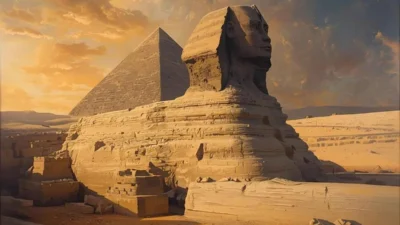
Egyptians believed dreams were messages from the divine. They even built “dream temples” where priests interpreted symbols to heal or foretell the future.

- Key Insight: Dreams were seen as portals between the mortal and divine worlds.
- Example: Dreaming of water symbolized purification or spiritual renewal.
2. Ancient Greece and Rome: Rational Meets Mystical
Greek philosophers like Aristotle and Plato debated dreams’ origins. Meanwhile, temples dedicated to Asclepius, the god of healing, used dream incubation for diagnosis.
- Example: A dream of snakes was associated with rebirth and medicine.
- Key Insight: Dreams reflected both the body’s condition and divine guidance.
3. Biblical and Middle Eastern Dream Traditions
The Bible, Torah, and Quran all contain dream narratives where symbols conveyed divine prophecy.
- Example: Joseph’s dream of seven fat and seven thin cows represented years of abundance and famine.
- Key Insight: Dreams were sacred messages meant for moral or communal guidance.
4. Asian Traditions: Karma and Inner Harmony
In Hinduism and Buddhism, dreams are reflections of karma and consciousness.
- Example: Dreaming of fire could represent transformation or spiritual cleansing.
- Key Insight: The dream state (swapna) is part of the greater journey toward enlightenment.
5. Indigenous and Tribal Symbolism
Native American and Aboriginal traditions treated dreams as spiritual communications with ancestors or spirit guides.
- Example: Animals in dreams, like eagles or wolves, represented protection and wisdom.
- Key Insight: Dreams held communal meaning, connecting individuals to the spirit of the tribe.
Why Historical Dream Symbolism Still Matters in 2025
Modern science may explain dreams as neurological activity, but the symbolic language of dreams still resonates with us emotionally and spiritually. In 2025, as people seek balance between technology and inner awareness, ancient dream interpretations provide a timeless roadmap to self-understanding.
Benefits of Studying Historical Dream Symbolism:
- Deep self-reflection: Learn what recurring symbols may reveal about your life patterns.
- Cultural awareness: Appreciate how ancient civilizations expressed psychology through symbols.
- Holistic well-being: Combine ancient insight with modern mindfulness for emotional healing.
- Creative inspiration: Artists and writers often draw from historical dream motifs.
How to Interpret Dreams Using Historical Symbolism
Here’s a step-by-step guide to applying historical dream symbolism in your modern life:

Step 1: Record Your Dream Immediately
Write it down upon waking — no detail is too small. Ancient dream interpreters believed the “first impression” held the truest meaning.
Step 2: Identify Core Symbols
Look for repeating elements like animals, nature, or emotions.
- Example: Snakes, rivers, doors, or flying.
Step 3: Match Symbols to Ancient Meaning
Use a historical dream dictionary or compare with ancient sources:
- Water (Egyptian): Emotional or spiritual purification.
- Snakes (Greek): Healing, renewal, or wisdom.
- Fire (Hindu): Transformation or divine energy.
Step 4: Reflect on Context
Ask yourself:
- How did you feel in the dream?
- What’s happening in your life right now?
Step 5: Integrate Insights
Use meditation, journaling, or dream art to explore the message. Dreamwork today blends ancient wisdom with modern psychology for profound self-growth.
Common Dream Symbols and Their Historical Meanings
| Symbol | Egyptian Meaning | Greek/Roman Meaning | Hindu/Buddhist Meaning | Indigenous Meaning |
|---|---|---|---|---|
| Water | Renewal, cleansing | Emotions, life flow | Spiritual awakening | Journey or rebirth |
| Snake | Divine protection | Healing, wisdom | Kundalini energy | Spirit guide |
| Fire | Destruction & rebirth | Passion, warning | Transformation | Purification |
| Birds | Soul freedom | Prophecy | Transcendence | Communication with ancestors |
| Death | Transition | Rebirth | End of karma cycle | New spiritual path |
Common Mistakes When Interpreting Dream Symbols
Even in ancient times, dream interpretation required care. Here are a few pitfalls to avoid:
- ❌ Taking symbols literally: Dreams are symbolic, not factual.
- ❌ Ignoring personal context: A symbol’s meaning changes with emotion and experience.
- ❌ Relying on one culture only: Mix perspectives for deeper insight.
- ❌ Forcing an interpretation: Sometimes, a dream’s meaning unfolds over time.
- ❌ Skipping emotional reflection: The feeling behind a dream is often the true key.
Expert Tips for Exploring Historical Dream Symbolism
- Create a Dream Journal Inspired by Ancient Methods
Use symbols, sketches, and keywords like ancient scribes did on papyrus or clay. - Study Different Cultural Systems
Blend Egyptian, Greek, and Indigenous insights for a fuller picture. - Use Modern Tools
Apps in 2025 now let you cross-reference dream themes with historical databases. - Engage in Dream Circles or Workshops
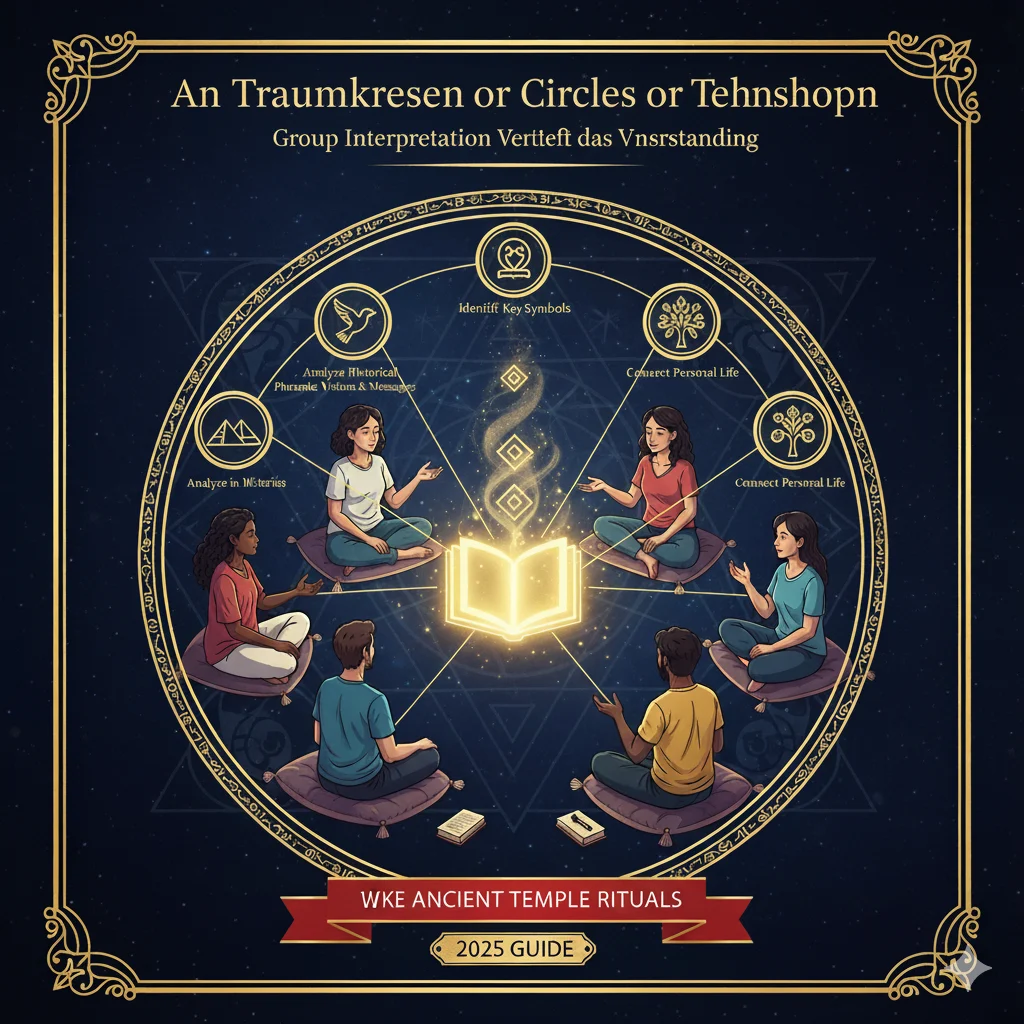
Like ancient temple rituals, group interpretation enhances understanding. - Combine Symbolism with Psychology
Carl Jung revived ancient dream wisdom by linking it to archetypes — universal symbols from the collective unconscious. - Trust Your Intuition
Historical symbolism offers guidance, but your intuition gives the final interpretation.
Modern Trends: Dream Symbolism in 2025
Dream studies are evolving quickly. Technology and spirituality now intersect in fascinating ways.
🔮 2025 Trends:
- AI-Powered Dream Apps: Analyze patterns and symbols across time.
- Virtual Dream Libraries: Explore historical dream texts in immersive 3D archives.
- Holistic Therapy Integration: Therapists blend historical symbolism with cognitive therapy.
- Cultural Revival: Universities reintroduce ancient dream studies in anthropology and psychology.
- Lucid Dreaming Tools: VR and neurofeedback devices help users explore symbolic worlds consciously.
Historical dream symbolism isn’t fading — it’s being reborn for a new digital age.
Real-Life Example: A Modern Dream, Ancient Insight
Imagine dreaming of walking through a burning city while searching for your childhood home.
- Egyptian View: Fire = purification; city = society’s moral decay.
- Greek View: The burning symbolizes transformation and rebirth.
- Modern Interpretation: Your psyche might be processing change, loss, or a spiritual awakening.
By blending ancient and modern interpretations, you uncover a deeper truth — your mind speaks through timeless symbols.
FAQs About Historical Dream Symbolism
1. What makes historical dream symbolism different from modern dream analysis?
Historical symbolism focuses on spiritual and cultural meanings, while modern analysis uses psychology and neuroscience. Both approaches complement each other beautifully.
2. Are dream symbols the same across cultures?
Some are universal (like water or fire), but meanings shift by culture. Context and personal experience always matter.
3. Can I use ancient dream interpretations today?
Absolutely! Ancient wisdom offers profound emotional and spiritual guidance when used mindfully.
4. How do I know which interpretation is right?
Pay attention to how the meaning feels in your heart. The right symbol resonates intuitively.
5. Do historical dream books still exist?
Yes — many, such as The Egyptian Dream Book and Artemidorus’ “Oneirocritica”, are preserved and even digitized for study in 2025.
6. What’s the most powerful ancient dream symbol?
It depends on the culture — but snakes, water, and death/rebirth remain the most transformative across civilizations.
Key Takeaways
- Historical dream symbolism connects ancient wisdom with modern self-discovery.
- Every culture saw dreams as sacred messages, not meaningless thoughts.
- Ancient symbols like water, snakes, and fire still reveal emotional truths today.
- Combining traditional and scientific views deepens personal growth.
- In 2025, technology makes exploring historical dream meanings easier and more interactive than ever.
Conclusion
Dreams have always been the bridge between worlds — between your conscious and unconscious, the past and present, the human and divine. Studying historical dream symbolism reminds us that even in a digital age, ancient wisdom still whispers in our sleep.
As you reflect on your dreams tonight, remember: every image, every symbol carries the voice of your ancestors, guiding you toward self-understanding and transformation. The question isn’t whether your dream has meaning — it’s whether you’re ready to listen.

“Evelyn Hartwell, a spiritual dream guide at DreamyDrug.com, interprets symbolic dreams and emotional patterns to help readers understand their inner world.”