
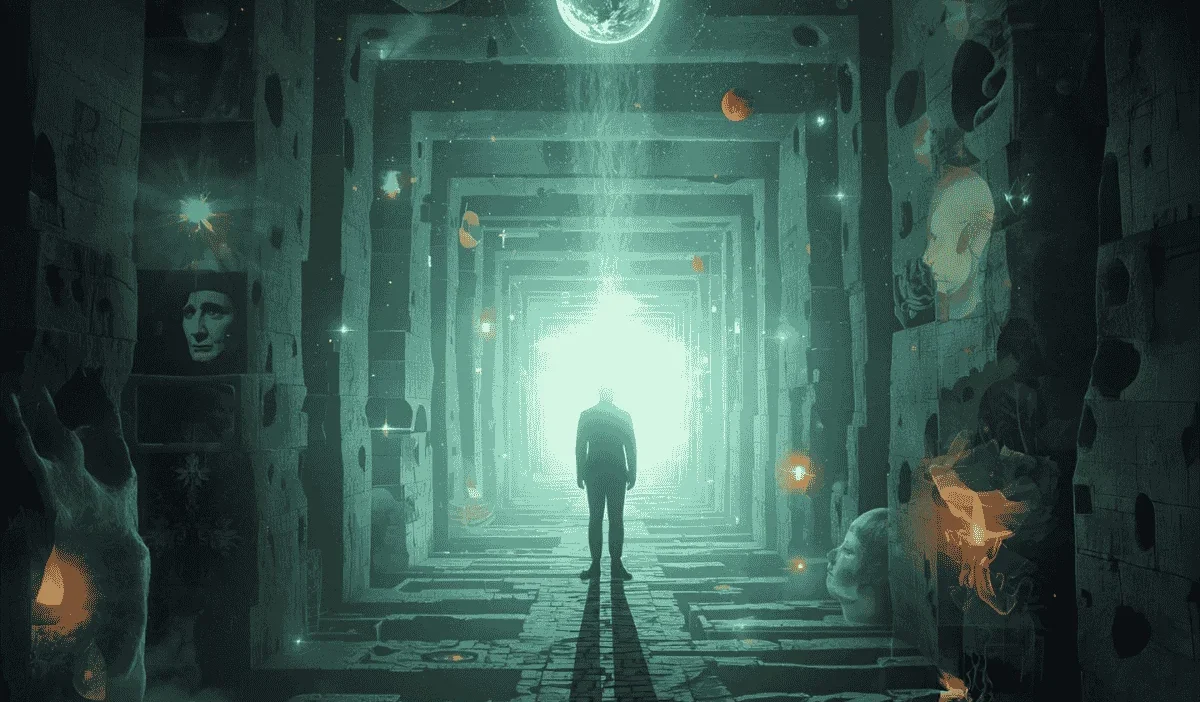
Why do we dream? What secrets do our dreams hold? Since ancient times, humans have wondered whether dreams are divine messages, random brain firings, or reflections of our deepest desires. Among the first to give dreams a scientific and psychological meaning was Sigmund Freud, the founder of psychoanalysis.
Freud’s dream theory revolutionized how we interpret the sleeping mind. He proposed that dreams are not meaningless; instead, they reveal unconscious wishes, repressed memories, and unresolved conflicts. Understanding Freud’s ideas can help us decode the hidden meanings behind our nightly visions — and even better understand ourselves.
In this post, you’ll explore the core of Freud’s dream theory, key dream symbols, how his ideas differ from modern psychology, and how to apply his insights in real life.
What Is Freud’s Dream Theory?
Freud presented his groundbreaking ideas in his 1899 masterpiece The Interpretation of Dreams. He called dreams the “royal road to the unconscious” — meaning they provide direct access to thoughts and desires hidden beneath our waking awareness.
The Main Idea
According to Freud, dreams are disguised fulfillments of repressed wishes. In other words, they allow us to express desires that our conscious mind cannot accept when we’re awake.
For example, if a person has an aggressive or forbidden desire, it may appear in a dream in a disguised, symbolic form — like attacking a stranger or witnessing an accident. The dream lets the wish play out safely, without guilt or social consequences.
The Two Levels of Dream Content
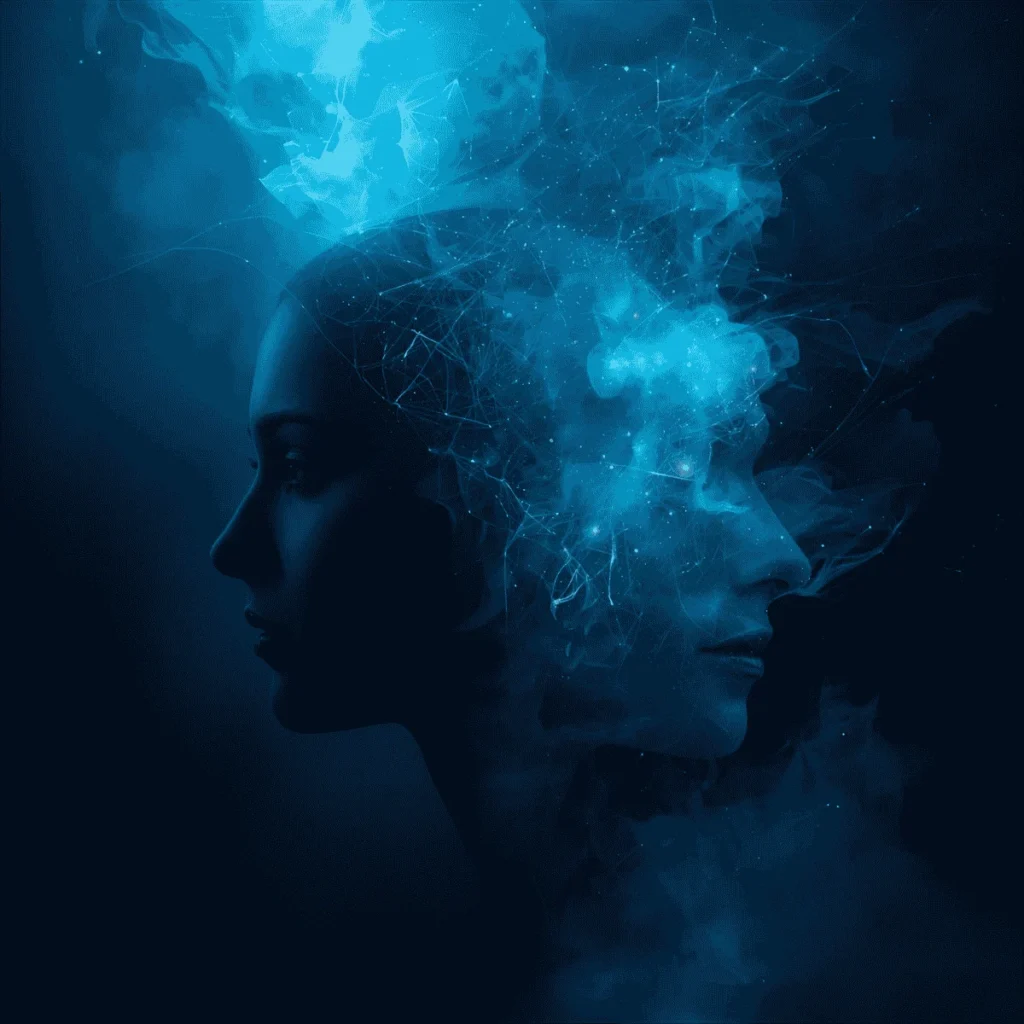
Freud said every dream has two main layers:
1. Manifest Content (The Surface Story)
This is the actual storyline of the dream — the images, people, and events you remember when you wake up.
Example: You dream of walking through a dark tunnel and finding a locked door.
2. Latent Content (The Hidden Meaning)
This is the unconscious meaning behind the dream. The tunnel might symbolize fear of the unknown, and the locked door might represent a blocked desire or repressed memory.
The process of transforming hidden thoughts (latent content) into the symbolic dream story (manifest content) is called “dream work.”
The Mechanisms of Dream Work
Freud identified several psychological mechanisms that shape how dreams disguise their true meanings:
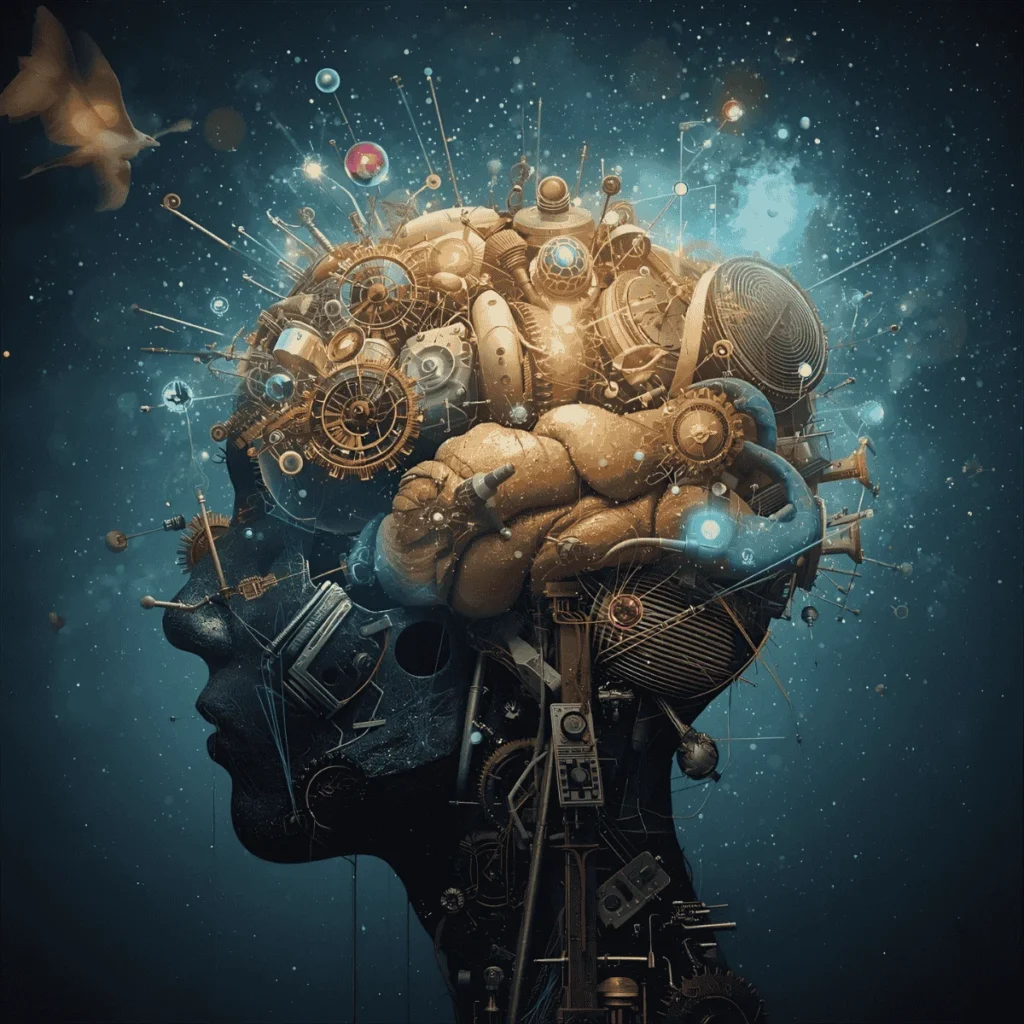
1. Condensation
Multiple thoughts or wishes combine into a single image or symbol.
2. Displacement
The emotional importance of a thought is transferred to something less threatening.
3. Symbolization
Unacceptable desires are transformed into symbols.
4. Projection
We attribute our own unacceptable feelings to others.
5. Secondary Revision
After waking, your conscious mind “edits” the dream story to make it more logical or coherent — often hiding the raw, confusing emotions underneath.
These processes make dreams mysterious and fragmented, but also deeply meaningful when analyzed correctly.
Symbols in the Subconscious: Unlocking of the Mind Guide 2025
Freud’s Dream Symbols and Their Meanings
Freud believed that certain images appear so frequently across dreams that they carry universal meanings — though context always matters.
| Dream Symbol | Possible Freud Interpretation |
|---|---|
| Houses or rooms | The self or body; different floors may represent different mental levels. |
| Stairs, ladders, or elevators | Sexual arousal or climax (rising and falling movements). |
| Keys and locks | Desire for access or sexual intimacy. |
| Water or oceans | The unconscious mind or birth. |
| Flying | Desire for freedom or release from restraint. |
| Falling | Fear of failure or loss of control. |
| Parents or authority figures | Super-ego influences or internalized guilt. |
Freud often linked symbols to sexual or instinctual drives, but he also acknowledged that personal history could shape individual dream meanings.
The Role of the Unconscious Mind
At the heart of Freud’s theory is the unconscious, a vast reservoir of thoughts, desires, and emotions that we’re unaware of but that still influence our behavior.
Dreams act as the bridge between this hidden world and our conscious mind. They allow forbidden or suppressed wishes to surface in symbolic form — giving us insight into what we truly want, fear, or regret.
For Freud, understanding our dreams meant understanding our real selves, beyond social masks and polite behavior.
Freud vs. Jung: The Great Dream Debate
Although Freud was the pioneer, his student Carl Jung later developed his own dream theory — and disagreed with Freud on several key points.
| Aspect | Freud’s View | Jung’s View |
|---|---|---|
| Purpose of Dreams | Wish fulfillment; expression of repressed desires. | Communication from the unconscious for psychological growth. |
| Unconscious Mind | Mostly personal and repressed. | Includes both personal and collective (shared human symbols). |
| Symbols | Primarily sexual or instinctual. | Archetypal — representing universal human experiences. |
| Goal of Analysis | Reveal hidden conflicts and desires. | Achieve wholeness and self-understanding. |
Both agreed that dreams reveal what lies beneath awareness — but Jung saw them as guidance for growth, not just wish fulfillment.
How Freud’s Dream Theory Shapes Modern Psychology
Freud’s work was revolutionary, but not all of his ideas are accepted literally today. Still, his influence is immense:
- He made the unconscious mind a central concept in psychology.
- He introduced the idea that dreams have meaning and purpose, not just randomness.
- His methods laid the foundation for talk therapy and modern psychoanalysis.
- Even cognitive and neuroscientific dream research continues to explore how emotional processing occurs during sleep — echoing Freud’s idea that dreams express unresolved issues.
Today, therapists may not interpret every dream sexually, but many still use dream analysis as a tool to understand emotional conflicts, trauma, and personal symbolism.
Applying Freud’s Dream Theory in Your Own Life
You don’t need to be a psychoanalyst to explore your dreams meaningfully. Here’s how you can start:
1. Keep a Dream Journal
Write down your dreams immediately upon waking. Even fragments matter. Note the emotions, symbols, and recurring themes.
2. Ask Reflective Questions
- What feelings stood out most in the dream?
- Who or what do the symbols remind me of?
- Is there a wish, fear, or unresolved issue being expressed?
3. Look for Repetition
If a symbol or theme keeps returning — like being chased, losing something, or flying — it may represent a deeper unconscious concern.
4. Identify Disguised Emotions
Ask: Could this dream be expressing something I can’t say openly or even admit to myself?
5. Use Insight, Not Literalism
Freud’s theory is symbolic, not predictive. Don’t overanalyze — use your dream insights to reflect and grow.
Common Types of Dreams and Freud’s Interpretation
1. Dreams of Falling
Usually signal insecurity, fear of failure, or loss of control in waking life.
2. Dreams of Being Chased
Represent avoidance — you may be running from an inner truth or responsibility.
3. Dreams of Flying
Often express a wish for freedom, success, or sexual liberation.
4. Dreams of Exams or Being Unprepared
Relate to feelings of guilt, inadequacy, or self-criticism from the super-ego.
5. Dreams of Death
Not literal — may reflect transformation, change, or repressed anger toward someone.
Freud encouraged looking beyond the obvious image to the emotional truth underneath.
Criticisms of Freud’s Dream Theory
Despite its influence, Freud’s ideas faced heavy criticism:
- Too Sexualized – Many believe he overemphasized sexuality as the root of all desires.
- Lack of Scientific Evidence – His methods relied on case studies, not controlled experiments.
- Subjective Interpretations – Different analysts could interpret the same dream differently.
- Neglect of Biology – Later neuroscience showed that dreams also serve physiological and memory-processing functions.
Still, Freud opened the door for all later dream theories — including Jungian, cognitive, and neurobiological approaches.
Freud’s Enduring Legacy
Even in 2025, Freud’s dream theory remains relevant because it addresses a timeless truth: we are not always fully aware of what drives us. Our dreams — strange, vivid, emotional — are reminders that a deeper self is always speaking.
Modern therapists and dream researchers continue to draw from Freud’s insight that dreams help integrate emotional experiences and reveal unspoken truths. Whether or not every symbol has a Freudian meaning, his central idea endures:
Practical Exercise: Decode One of Your Dreams (Freud-Style)
- Recall a recent dream — even a short one.
- Write the manifest content — what happened, who appeared, how you felt.
- Ask: What feelings or wishes could this hide? (latent content)
- Look for displacement or symbolism. Is one figure standing in for another?
- Reflect without judgment. The goal isn’t perfection — it’s awareness.
Example:
This simple reflection honors Freud’s insight: when we translate symbols into awareness, we grow closer to our authentic self.
5 Common FAQs about Freud’s Dream Theory

1. Did Freud really think every dream was about sex?
No — though he saw sexual energy (libido) as a central life force, not every dream is sexual. For Freud, sex often symbolized general creativity, desire, or vitality.
2. What’s the difference between Freud’s and Jung’s dream analysis?
Freud focused on personal, repressed wishes. Jung emphasized collective, archetypal symbolism and spiritual growth.
3. Is Freud’s theory still used today?
Yes, in modified forms. Psychoanalytic therapy and even modern counseling borrow his principles about symbolism, repression, and unconscious motives.
4. Are dream symbols universal or personal?
Both. Some symbols are culturally or biologically common (like water, birth, falling), but each person’s meaning is shaped by their own experiences.
5. Can dream analysis really improve mental health?
Absolutely. Exploring dreams can increase self-awareness, reduce anxiety, and reveal emotional truths that words alone can’t reach.
Conclusion: Listening to the Unconscious
Freud’s dream theory remains one of psychology’s most fascinating contributions. While modern science has advanced far beyond his early ideas, his message endures: your dreams are messages from within.
They speak in metaphors, disguise your longings, and protect your inner balance — but if you listen closely, they guide you toward healing and self-knowledge.
So next time you wake from a strange or powerful dream, don’t dismiss it. Write it down, reflect on it, and ask:
You may just uncover the wisdom your waking mind has been too busy to hear.

“Julian Rowe, a dream symbol researcher at DreamyDrug.com, explains spiritual messages, emotional visions, and subconscious patterns through clear, calming insights.”