
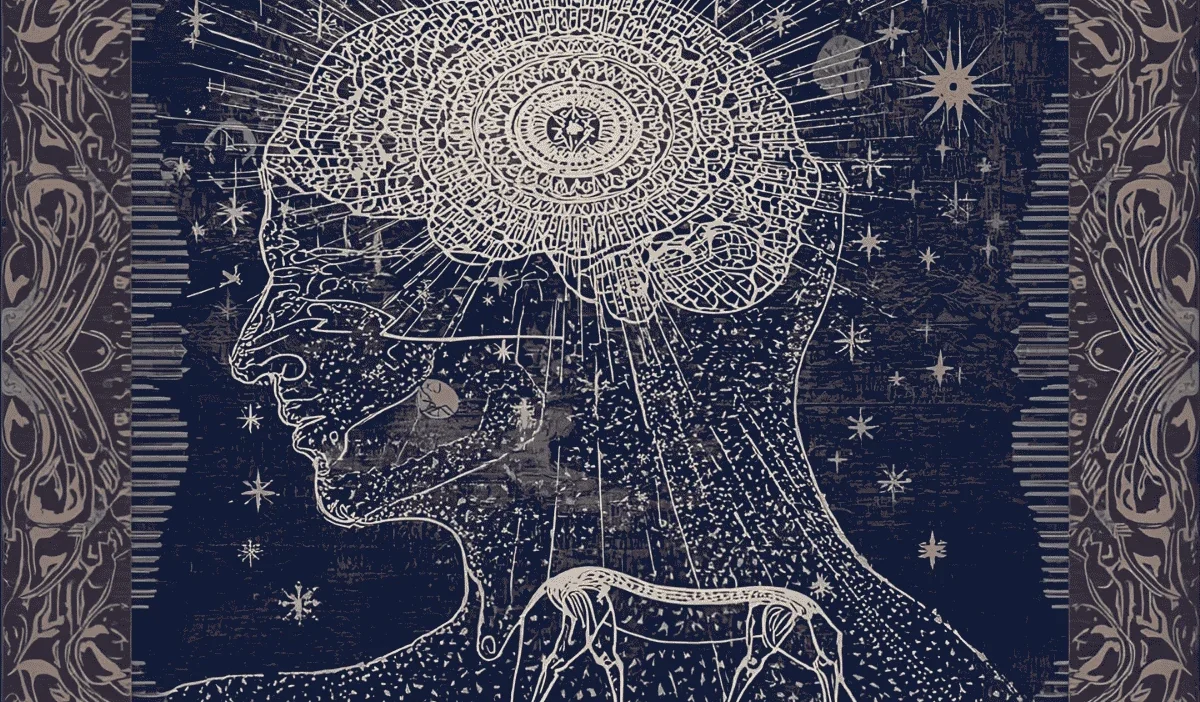
What Your Dreams Are Really Trying to Tell You
Have you ever woken up from a dream that felt so real you couldn’t stop thinking about it all day? You’re not alone. In 2025, with mindfulness and self-awareness trends at their peak, understanding the connection between dreams and the subconscious mind has become more relevant than ever.
Dreams aren’t random stories your brain invents at night—they’re coded messages from your subconscious, reflecting your deepest fears, desires, and unresolved emotions. Whether you dream of flying, falling, or meeting someone unexpected, your subconscious is always whispering truths your conscious mind might ignore.
In this complete guide, we’ll explore how your dreams and subconscious mind are intertwined, what they reveal about your emotional health, and how to use dream interpretation to transform your waking life.
Understanding Dreams and the Subconscious Mind
Dreams are the language of your subconscious mind—the part of your psyche that stores emotions, memories, and instincts beyond conscious awareness. When you sleep, your rational brain relaxes, giving your subconscious the stage to express itself through symbols and stories.
How It Works
- The subconscious mind acts like a vast storage room of thoughts, beliefs, and past experiences.
- Dreams are creative outputs from this storage, often mixing real memories with emotional symbols.
- Each dream carries hidden meanings—messages meant to help you understand yourself better.
🧠 Example: Dreaming about missing an exam might symbolize anxiety about being unprepared in life, not necessarily about school.
The Science Behind Dreams and the Subconscious
Modern neuroscience shows that dreaming occurs mainly during the REM (Rapid Eye Movement) stage of sleep. This is when your brain is most active and your subconscious freely processes emotions and memories.

Recent studies in 2025 highlight how dream content reflects mental well-being. People who practice mindfulness or therapy tend to experience more vivid, insightful dreams because their minds are more emotionally open.
Fun Fact: Your brain is almost as active during dreaming as when you’re awake! It’s just focused inward instead of outward.
Why Understanding Your Dreams Matters
Decoding your dreams isn’t just about curiosity—it’s a doorway to personal growth. Here’s why interpreting your dreams can change your life:
- 🌙 Emotional Healing: Dreams bring suppressed feelings to light.
- 💡 Decision-Making Clarity: Dreams can highlight what truly matters to you.
- 🧭 Spiritual Guidance: Many believe dreams connect you to higher consciousness.
- 🔄 Stress Release: Your mind uses dreams to process daily stress.
- ❤️ Relationship Insight: Dreams often reveal hidden relationship fears or desires.
By learning to interpret these messages, you can align your conscious and subconscious goals—making life feel more balanced and intentional.
The Hidden Language of the Subconscious: Symbols and Meanings
Your subconscious mind doesn’t speak in words—it communicates through symbols, metaphors, and sensations. Here are some common dream symbols and what they might mean:
| Dream Symbol | Possible Meaning |
|---|---|
| Falling | Fear of losing control |
| Flying | Desire for freedom or escape |
| Teeth falling out | Anxiety about appearance or communication |
| Being chased | Avoidance of confrontation or inner fear |
| Water | Emotional depth and purification |
| Houses | Aspects of self or life stages |
| Death | Transformation or new beginnings |
Remember: meanings can vary based on personal experiences. A dog might symbolize loyalty for one person, and fear for another.
How to Access and Interpret Your Subconscious Through Dreams
Interpreting your dreams isn’t about guessing—it’s about developing a relationship with your subconscious. Here’s a simple step-by-step guide you can start tonight:

Step 1: Keep a Dream Journal
Write down everything you remember immediately upon waking. Include emotions, colors, symbols, and people.
Step 2: Identify the Emotion
Ask yourself: “How did I feel in this dream?” Emotions are often more important than details.
Step 3: Look for Patterns
Do certain themes repeat? Recurring dreams often signal unresolved subconscious issues.
Step 4: Decode the Symbolism
Use dream dictionaries or psychological interpretations—but always trust your intuition first.
Step 5: Apply the Insight
Translate your dream’s message into action. For instance, a dream about drowning may remind you to face emotional overwhelm in waking life.
Real-Life Example: How Dreams Reveal Inner Truths
Imagine you keep dreaming about being late for a flight. It feels stressful, and you always wake up anxious.

Upon reflection, you realize you’ve been procrastinating on a career change you secretly desire. Your subconscious mind, through the dream, is signaling that you’re afraid of missing out on life’s opportunities.
Once you acknowledge that fear and take small steps toward your goal, the dream disappears.
➡️ Moral: When you listen to your dreams, your subconscious rewards you with peace and clarity.
Common Mistakes People Make When Interpreting Dreams
Even with good intentions, many misread their dreams. Avoid these common pitfalls:
- ❌ Taking every symbol literally
- ❌ Ignoring emotions and focusing only on visuals
- ❌ Using someone else’s dream meaning without personal reflection
- ❌ Forgetting to write dreams down immediately
- ❌ Over-analyzing or obsessing over nightmares
Your subconscious is wise but subtle. Instead of forcing meaning, stay open and curious.
Expert Tips to Strengthen Your Subconscious Connection
To receive clearer messages from your dreams and subconscious mind, try these proven practices:
- 🧘 Meditate Before Bed: Calms the conscious mind, making subconscious access easier.
- ✍️ Affirm Your Intent: Say, “Tonight, I will remember my dreams.”
- 📱 Avoid Screens: Blue light disrupts REM sleep.
- 💭 Visualize Positive Scenarios: What you think before sleep influences your dreams.
- 🌿 Try Aromatherapy: Scents like lavender enhance relaxation and dream recall.
These habits signal your mind that you’re ready to listen to its deeper voice.
Dreams, Subconscious, and Modern Technology (2025 Trends)
In 2025, dream research and subconscious exploration have entered the digital age. New AI-driven dream journaling apps analyze your dream entries and provide psychological insights.

Top Trends:
- AI Dream Interpreters: Use NLP to decode recurring themes.
- Sleep Trackers: Measure REM cycles for better dream recall.
- Virtual Reality Therapy: Helps visualize subconscious fears safely.
- Lucid Dreaming Courses: Teach users to consciously navigate dreams.
These innovations are turning dreamwork into a science-backed self-improvement practice accessible to everyone.
Cultural and Historical Insights into Dreams and the Subconscious
Dreams have fascinated humanity for millennia.
- In Ancient Egypt, dreams were believed to be messages from gods.
- Greek philosophers like Aristotle saw dreams as reflections of daily life.
- Sigmund Freud in the 20th century called dreams the “royal road to the unconscious.”
- Carl Jung emphasized dreams as expressions of the collective unconscious, where universal archetypes reside.
Today, the fascination continues—only now, we combine ancient wisdom with neuroscience to decode the mind’s most mysterious language.
FAQs: Dreams and the Subconscious Mind

1. Why do we forget our dreams so quickly?
Because the brain’s prefrontal cortex (responsible for memory) is less active during REM sleep, making dream recall challenging.
2. Can dreams predict the future?
Not literally, but they can reveal intuition or foresight your conscious mind ignores.
3. Are nightmares a sign of something bad?
Nightmares often highlight suppressed fears or unresolved trauma. They’re not bad—they’re messengers urging healing.
4. Can I control my dreams?
Yes! Through lucid dreaming, you can become aware that you’re dreaming and guide the storyline.
5. How does stress affect dreams?
High stress leads to intense, chaotic dreams because the subconscious is processing overwhelming emotions.
Key Takeaways: Unlocking Your Subconscious Power
- Dreams are the mirror of your subconscious mind.
- Every dream carries emotional wisdom—don’t ignore it.
- Recording and reflecting on dreams improves self-awareness.
- Modern tools make dream interpretation easier than ever.
- By decoding your dreams, you strengthen the bridge between your conscious and subconscious worlds.
Conclusion: Embrace the Wisdom Within
Your dreams are not random—they’re your subconscious mind’s way of guiding you toward balance, purpose, and healing. In 2025’s fast-paced world, taking time to reflect on your dreams is like having nightly therapy sessions with your own soul.
So tonight, when you close your eyes, remember: your mind isn’t sleeping—it’s speaking. All you have to do is listen. 🌙

“Evelyn Hartwell, a spiritual dream guide at DreamyDrug.com, interprets symbolic dreams and emotional patterns to help readers understand their inner world.”