

Have you ever woken up from a vivid dream and struggled to remember its details? In 2025, dream tracking apps have revolutionized the way we understand our subconscious minds. These innovative tools allow you to capture, analyze, and interpret your dreams with unprecedented accuracy, helping you uncover hidden patterns, emotions, and insights that can enrich your daily life. Whether you’re curious about dream symbolism, exploring personal growth, or simply wanting to improve your sleep quality, dream tracking apps can be a game-changer.
In this guide, we’ll explore everything you need to know about dream tracking apps, including their benefits, how to use them effectively, expert tips, and the latest trends shaping the field in 2025.
What Are Dream Tracking Apps?
Dream tracking apps are digital tools designed to record, organize, and analyze your dreams. Unlike traditional dream journals, these apps leverage modern technology—such as AI-assisted analysis, cloud storage, and mood tracking—to provide deeper insights into your subconscious mind.
Most apps allow you to:
- Log dreams immediately upon waking.
- Categorize dreams by theme, emotion, or symbols.
- Track recurring dream patterns over time.
- Analyze the potential meaning of dream elements.
In short, these apps combine the art of dream journaling with cutting-edge technology to help you gain clarity and self-awareness.
Benefits of Using Dream Tracking Apps
Using dream tracking apps regularly can transform the way you understand yourself and your inner world. Here are the key advantages:
1. Improved Dream Recall
By logging dreams immediately upon waking, you train your brain to remember more details. Apps often send gentle reminders, encouraging consistent practice.
2. Emotional Insight
Many dream tracking apps allow you to record your feelings associated with dreams. Over time, this can reveal patterns in your emotional responses and mental health.

3. Personal Growth and Self-Reflection
Dreams often reflect unresolved issues, desires, or anxieties. Tracking them can guide personal development and problem-solving in real-life situations.
4. Sleep Quality Monitoring
Some apps integrate with wearable devices to analyze sleep cycles, helping you understand how your dreaming correlates with restfulness.
5. Fun and Creative Exploration
Beyond psychology, dream tracking can spark creativity, inspire storytelling, or even inform artistic projects.
How to Use Dream Tracking Apps: A Step-by-Step Guide
Getting started with dream tracking apps is easier than you think. Here’s a simple roadmap:
Step 1: Choose the Right App
Consider your needs:
- For beginners: Simple logging apps with reminders and basic analysis.
- For enthusiasts: Apps with AI interpretations, symbolism libraries, and analytics.
- For creatives: Apps with export features, visualization tools, and sharing options.
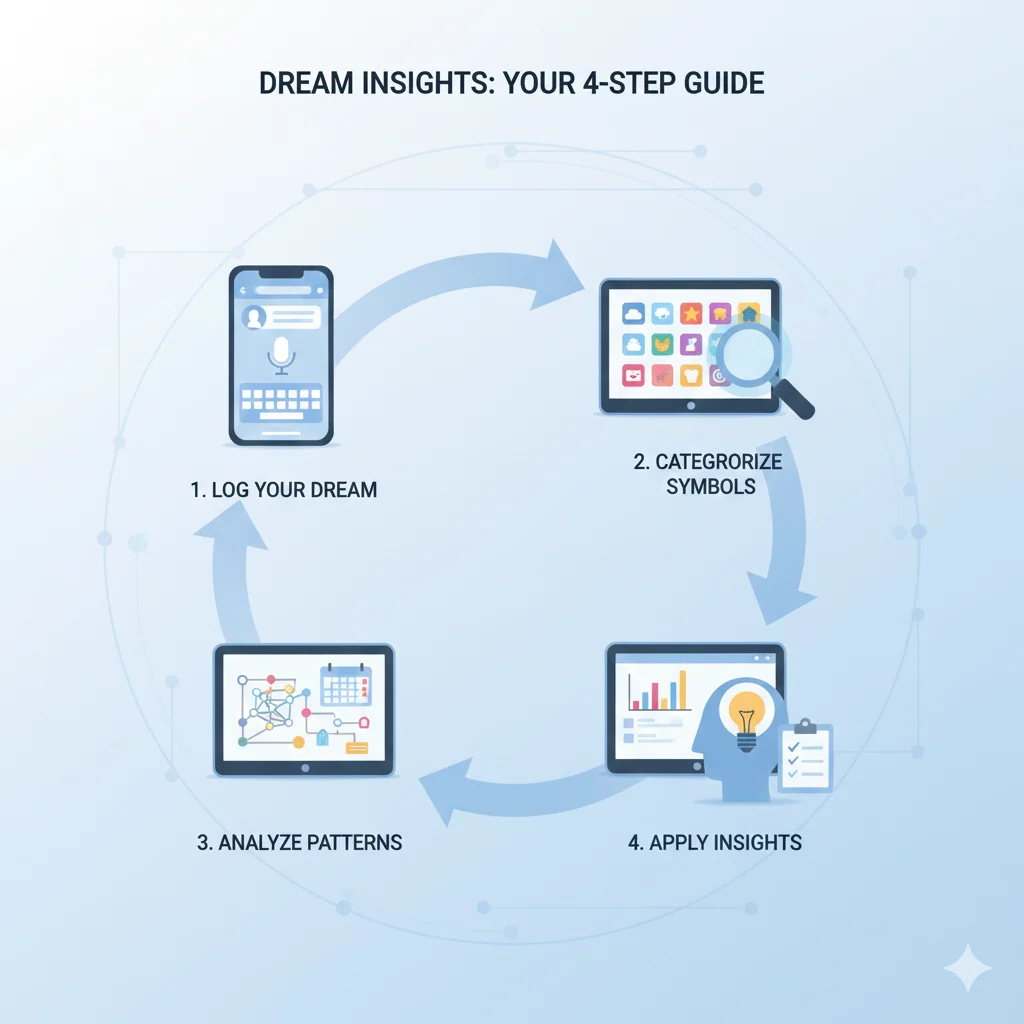
Step 2: Log Dreams Consistently
- Record your dream immediately after waking.
- Include as many details as possible: people, places, colors, emotions.
- Use voice-to-text features if you’re in a hurry.
Step 3: Categorize Your Dreams
- Use tags such as “nightmare,” “lucid,” or “symbolic.”
- Track recurring characters, places, or events.
Step 4: Analyze Patterns
- Review weekly or monthly summaries.
- Note trends, such as repeated themes or emotional shifts.
- Explore potential meanings using in-app interpretations or dream dictionaries.
Step 5: Apply Insights in Daily Life
- Use insights for emotional regulation, creativity, or problem-solving.
- Reflect on recurring dream themes and consider lifestyle changes if necessary.
Real-Life Examples of Dream Tracking Benefits
- Enhanced Creativity: A writer used a dream tracking app to log surreal imagery and later transformed them into a bestselling fantasy novel.
- Emotional Clarity: A user discovered recurring stress dreams linked to workplace pressures, prompting mindfulness practices that improved overall well-being.
- Sleep Awareness: By correlating dreams with sleep patterns, another individual adjusted bedtime routines to reduce nightmares and improve rest.
These scenarios demonstrate how dream tracking apps offer practical benefits beyond simple curiosity.
Common Mistakes to Avoid When Using Dream Tracking Apps
Even the best apps are ineffective without mindful usage. Avoid these pitfalls:
- Skipping Daily Logs: Inconsistent entries reduce the value of pattern analysis.
- Overanalyzing: Not every dream has deep significance. Focus on meaningful patterns, not single details.
- Ignoring Emotions: Emotions are central to dream interpretation; don’t just record events.
- Relying Solely on AI: AI tools provide insights but should complement your personal reflections.
Expert Tips for Maximizing Dream Tracking Apps
- Keep a Consistent Sleep Schedule: Regular sleep improves dream recall.
- Use Voice Notes: Quickly record dreams before they fade.
- Reflect Weekly: Spend time reviewing patterns and symbols.
- Combine with Meditation: Calm your mind to enhance vivid dream recall.
- Experiment with Lucid Dreaming: Some apps offer tips and logs for lucid dreaming practices.
Modern Trends in Dream Tracking Apps (2025 Updates)
The landscape of dream tracking is rapidly evolving. Here are some 2025 innovations:

- AI-Powered Symbol Analysis: Advanced AI interprets dream symbols in context, offering personalized insights.
- Integration with Wearables: Devices like smartwatches track sleep stages and correlate them with dream intensity.
- Community and Sharing Features: Users can share dreams anonymously, gaining perspectives from global dream enthusiasts.
- Gamification and Rewards: Apps encourage consistency through badges, challenges, and creative prompts.
- Immersive Visualization: Some apps now generate dream-inspired visualizations or 3D mind maps for deeper engagement.
These trends make dream tracking more interactive, insightful, and enjoyable than ever.
Cultural and Historical Background
Dream tracking has a long history across cultures:
- Ancient Egypt: Dreams were interpreted as messages from gods.
- Greek Civilization: Philosophers like Aristotle explored dreams as reflections of waking life.
- Indigenous Cultures: Dreams often guided personal and communal decisions.
Modern apps simply digitize these age-old practices, blending cultural wisdom with scientific insights.
FAQs About Dream Tracking Apps
Q1: Are dream tracking apps scientifically accurate?
A1: While not all interpretations are scientifically validated, apps excel at helping users identify patterns, track emotions, and enhance dream recall.
Q2: Can dream tracking improve mental health?
A2: Yes. Recognizing recurring stress or anxiety dreams can guide mindfulness, therapy, or lifestyle adjustments.
Q3: Are dream tracking apps free?
A3: Many offer free basic versions, but premium features such as AI analysis or cloud backups usually require subscriptions.
Q4: How long does it take to see results?
A4: Users often notice improved recall and insight within 2–4 weeks of consistent logging.
Q5: Can I use dream tracking apps for lucid dreaming?
A5: Absolutely. Many apps provide guides, logs, and exercises specifically for lucid dreaming practices.
Q6: Is my dream data secure?
A6: Reputable apps use encryption and privacy policies to ensure your personal data remains safe.
Key Takeaways
- Dream tracking apps in 2025 combine AI, wearables, and visualization tools to revolutionize dream journaling.
- Regular tracking enhances recall, emotional insight, creativity, and personal growth.
- Avoid common mistakes like skipping logs or overanalyzing individual dreams.
- Modern apps offer innovative features such as community sharing, gamification, and immersive visualization.
- Dreams can serve as mirrors to your subconscious, helping you understand yourself better in daily life.
In short, dream tracking apps are not just tools—they are companions in your journey toward self-awareness and personal growth. Start logging, exploring, and reflecting today, and watch as your dreams unlock a richer understanding of yourself in 2025.

“Clara Whitmore, a dream psychology writer at DreamyDrug.com, explores emotional symbols and subconscious patterns to help readers understand their night visions.”