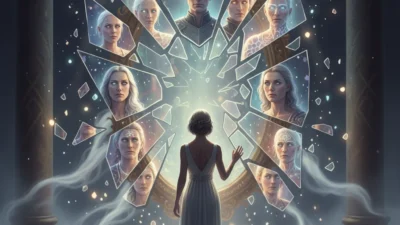

Have you ever woken up from a dream and felt it was more than just imagination—almost like a glimpse of tomorrow? Many people report dreams that seem to predict life changes, emotional shifts, or real-world events. In 2025, with growing interest in intuition, neuroscience, and subconscious patterns, understanding what it means to dream about future events has become more relevant than ever.
These dreams can feel mysterious, comforting, or even unsettling, but they often carry insights about your inner world, emotional state, habits, and expectations. In this guide, we’ll explore the psychology behind such dreams, real-life examples, spiritual interpretations, expert-backed insights, and step-by-step strategies to understand and use these dreams for personal growth.
What Does It Mean to Dream About Future Events?
Dreaming about future events refers to dreams that feel predictive or seem to align with situations that later occur. These can include:
- Dreaming of meeting someone new
- Dreaming about major life changes
- Dreaming about natural events
- Dreaming about emotional experiences before they happen
These dreams are not always literal; often, they reflect your subconscious analysis of information you already hold, even if you aren’t aware of it consciously.
Why Do We Dream About Future Events? (2025 Scientific & Psychological Insights)
1. Pattern Recognition in the Brain
Your brain is constantly collecting patterns—your routines, stress levels, micro-behaviors of others, and environmental cues. When you dream, these patterns may combine into scenarios that resemble “future predictions.”
2. Emotional Forecasting
Dreams often forecast emotional experiences, not necessarily physical events.
For example:
If you’re stressed about work, your dream might “predict” conflict—not because it will definitely happen, but because your mind is preparing you.
3. Cognitive Processing
In 2025, neuroscience research suggests dreams help you simulate possibilities, test decisions, and prepare your mind for real-life challenges.
4. Intuition and Subconscious Awareness
Sometimes your subconscious notices something your conscious mind hasn’t processed yet—hints, expressions, energy shifts, or subtle behavioral patterns in people around you.
5. Spiritual or Symbolic Interpretations
In many cultures, dreams have been seen as messages, warnings, or guidance from higher consciousness.
Types of Dreams About Future Events
1. Symbolic Future Dreams
These dreams use metaphor, symbols, and imagery to express emotional or psychological “future possibilities.”
Example:
Dreaming of a storm may signal upcoming stress—not a literal storm.
2. Literal Future Dreams
Very rare, but some people report dreams that reflect real future events.
Example:
Dreaming of a conversation that later happens word-for-word.
3. Emotional Future Dreams
You dream of a feeling or emotional dynamic that later becomes true.
Example:
Dreaming of falling out with a friend, then noticing emotional distance in real life.
4. Decision-Making Dreams
Your mind simulates different outcomes to help you make a choice.
5. Anxiety or Fear-Based Future Dreams
Your worries manifest as possible future scenarios.
Benefits of Understanding Dreams About Future Events
Recognizing and interpreting these dreams can help you:
✔ Strengthen emotional intelligence
✔ Improve decision-making
✔ Identify hidden fears or unmet needs
✔ Enhance intuition and self-awareness
✔ Understand patterns shaping your future
✔ Prepare for challenges before they arise
Step-by-Step Guide: How to Interpret a Dream About Future Events
Step 1: Write the Dream Immediately
Use a dream journal, notes app, or voice memo.
Include:
- Key events
- Emotions
- Symbols
- People
- Colors
- Setting
Step 2: Identify the Emotion
- How did this dream make me feel?
- What emotion stands out the most?
Emotions often reveal the real meaning more clearly than details.
Step 3: Separate Symbolic From Literal Elements
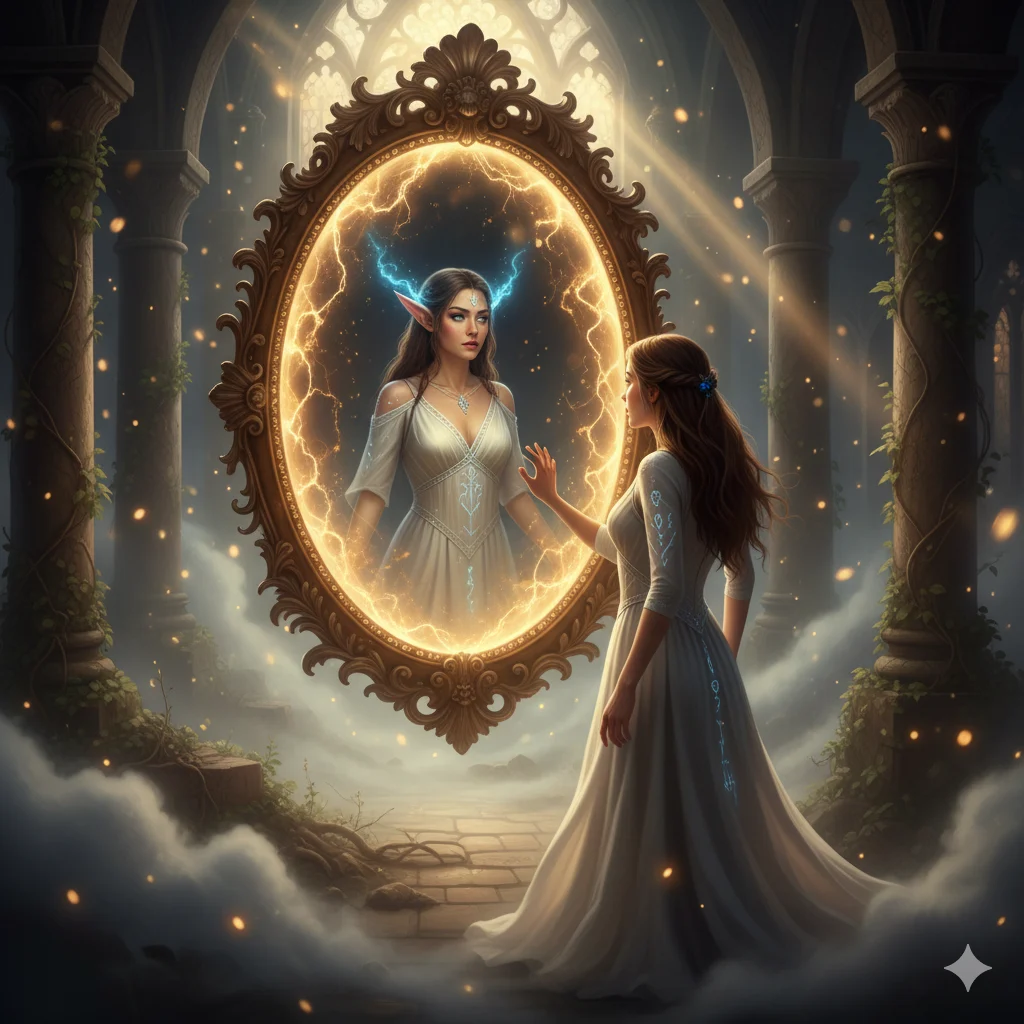
Not everything is meant to be taken literally.
Example:
Dreaming of fire may symbolize stress, transformation, or passion—not an actual fire.
Step 4: Connect With Real-Life Situations
Think about:
- Current stressors
- Important decisions
- Unresolved issues
- Expectations or fears
Your dream usually ties back to something active in your life.
Step 5: Identify Repeating Patterns
Recurring dreams about future scenarios often signal:
- Avoided responsibilities
- Relationship issues
- Career uncertainty
- Emotional overwhelm
Step 6: Consider Timing
Sometimes dreams show:
- What you’re moving toward
- What you fear may happen
- What you subconsciously want
Step 7: Look for “Clues” Your Mind May Have Noticed
Your subconscious picks up cues like:
- Someone’s tone
- A shift in energy
- Changes in habits
- Unspoken tension
These clues can shape “future event” dreams.
Step 8: Don’t Jump to Conclusions
Dreams reflect possibilities—not guarantees.
Real-Life Examples of Dreaming About Future Events
Example 1: The Friendship Warning
You dream of a friend turning cold or distant.
Two weeks later, they become less responsive.
Meaning:
Your subconscious noticed early signs—tone changes, behavior shifts.
Example 2: Career Opportunity Dream
You dream of getting promoted or starting a project.
Soon after, your boss gives you new responsibilities.
Meaning:
You sensed the shift long before it became official.
Example 3: Emotional Event Dream
You dream of a heartbreak, argument, or big emotional moment.
Later, a conflict arises.
Meaning:
Your mind was preparing for possible tension.
Common Mistakes When Interpreting Dreams About Future Events
❌ Taking Every Dream Literally
Most dreams are symbolic.
❌ Assuming Negative Dreams Predict Negative Outcomes
Fear dreams often show emotional stress—not destiny.
❌ Ignoring Emotional Context
Emotions are the key to accurate interpretation.
❌ Overthinking Small Details
A snake in your dream may not be about danger—it could symbolize transformation.
❌ Not Considering Your Current Life
Dreams reflect internal and external situations, not random fortune telling.
Expert & Practical Tips for Understanding Future Event Dreams (2025 Edition)
1. Keep a Digital Dream Tracker
Apps like:
- DreamAI (2025 update)
- Lucidity Journal
- Subconscious Map
These allow pattern detection and emotional tagging.
2. Practice Mindfulness Before Sleep
A calm mind produces clearer dreams.
3. Avoid Over-Interpreting Rare Dreams
Focus on recurring themes.
4. Track Real-Life Outcomes
Compare dreams with actual events monthly.
5. Notice Synchronicities
Sometimes dreams align with your intuition or external signs.
6. Pay Attention to Characters in Your Dream
People often represent:
- Parts of yourself
- Emotions
- Fears
- Desires
7. Revisit Old Dreams
Dreams you misunderstood before can become clear later.
Cultural & Historical Perspectives on Predictive Dreams
Ancient Civilizations
Many cultures believed dreams predicted future events:
- Egyptians used dream interpreters.
- Greeks consulted dream temples.
- Chinese tradition viewed dreams as cosmic messages.
Religious Views
In spiritual traditions, dreams often carry divine guidance or warnings.
Modern Psychology (Freud & Jung)
- Freud saw dreams as expressions of the unconscious mind.
- Jung believed dreams connect with collective unconscious symbols that guide future behavior.
Modern Trends: How People Use Future Dreams in 2025
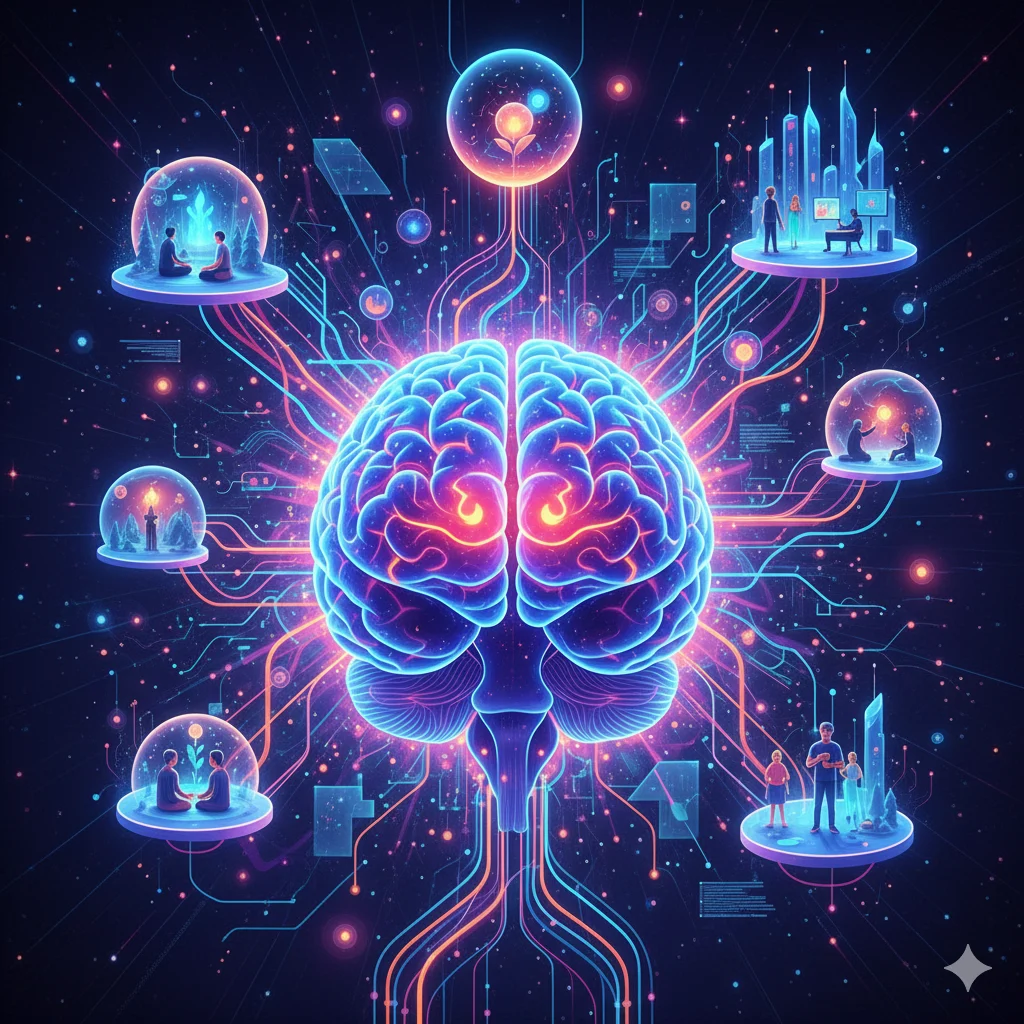
1. AI Dream Analysis Tools
AI now helps detect emotional and symbolic patterns.
2. Mental Health Applications
Therapists use dreams to identify:
- Hidden trauma
- Anxiety patterns
- Growth opportunities
3. Productivity & Decision-Making
People use dream insights for:
- Career decisions
- Relationship clarity
- Life planning
4. Spiritual Growth Communities
Online groups discuss dream symbolism and synchronicity trends.
Table: Symbolic Dreams and Their Possible Future Meanings
| Dream Symbol | Possible Future Meaning |
|---|---|
| Falling | Fear of losing control, upcoming transition |
| Water | Emotional changes or healing ahead |
| Fire | Passion, pressure, or major transformation |
| Road/Path | Life direction or upcoming choices |
| Storm | Stressful period or emotional release |
| Sunrise | New beginnings, opportunities |
FAQs About Dreaming of Future Events
1. Do dreams really predict the future?
Not exactly. They reflect emotional patterns, subconscious awareness, and intuitive analysis—sometimes aligning with future events.
2. Why do some dreams come true?
Your brain picks up subtle cues and forms logical predictions—even if you don’t consciously notice them.
3. Should I be worried about negative dreams?
No. Negative dreams often express fear, stress, or emotional pressure—not literal danger.
4. How can I stop fear-based future dreams?
Reduce stress, journal your worries, and practice mindfulness before sleep.
5. How do I know if a dream is symbolic or literal?
Literal dreams are extremely rare. Symbolic dreams focus on emotions, metaphors, and unresolved issues.
6. Can dreams help me make better decisions?
Absolutely—dreams often highlight what you’re ignoring or avoiding in waking life.
Key Takeaways
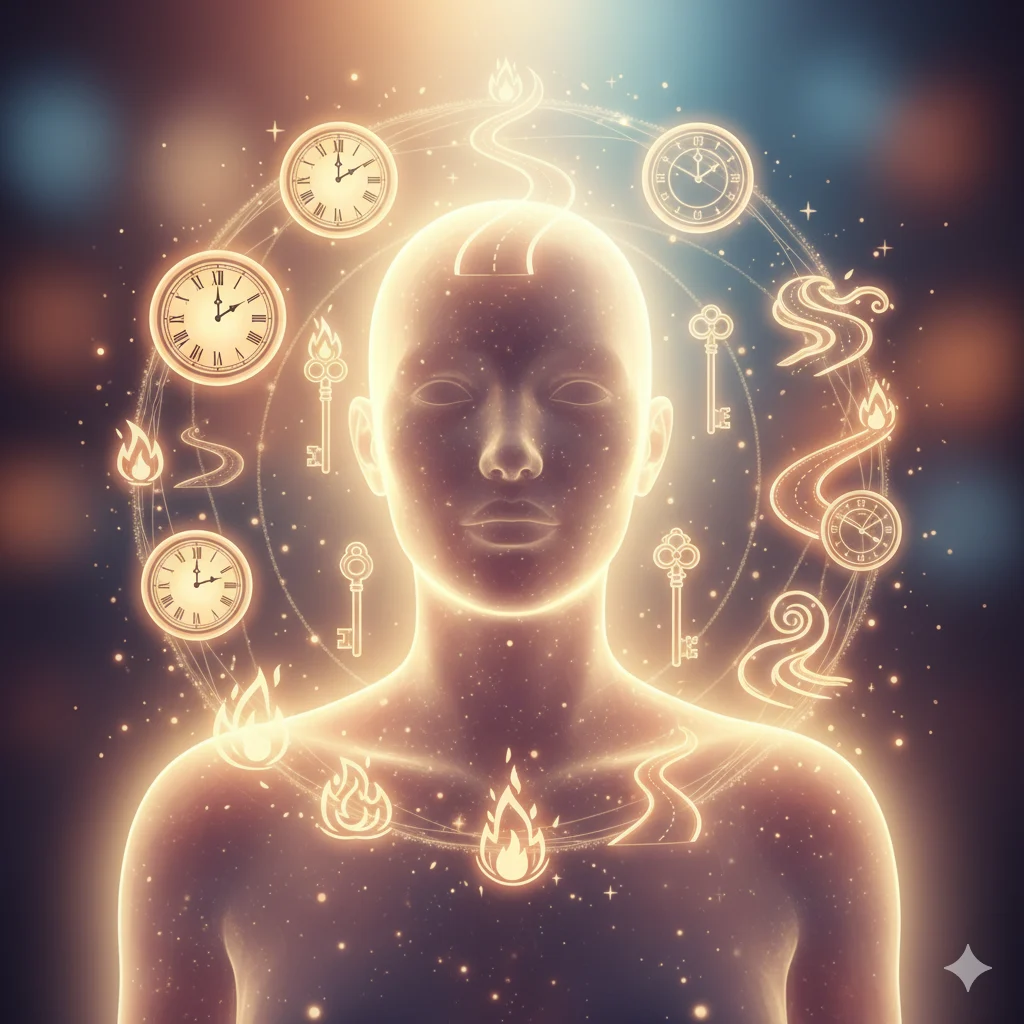
- Dreams about future events reflect intuition, subconscious patterns, and emotional forecasting—not supernatural prediction.
- They can help you understand upcoming possibilities, emotional dynamics, and hidden fears.
- Tracking dreams improves self-awareness, decision-making, and personal growth.
- In 2025, AI tools and psychological insights make dream interpretation more practical and reliable.
Conclusion
Dreaming about future events isn’t just a mystical experience—it’s a sophisticated process where your mind analyzes emotions, patterns, and possibilities. When you learn to interpret these dreams, you gain a powerful tool for understanding your inner world and shaping your future more consciously.
As you move through 2025 and beyond, pay attention to what your dreams reveal. They may not predict the future, but they prepare you for it. Start journaling, stay mindful, and trust your intuitive inner voice—it’s often smarter than you think.