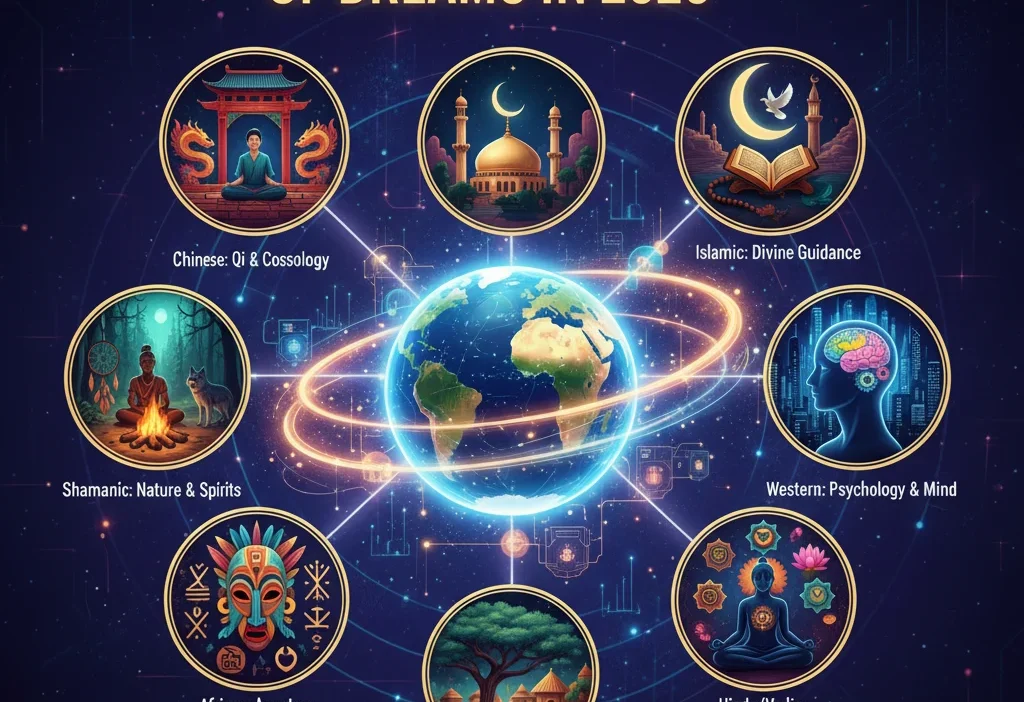
Have you ever woken up from a vivid dream and wondered what it really meant? 🌙 Across centuries and continents, people have sought to understand dreams — not just as random thoughts but as messages, prophecies, or reflections of the soul.
In 2025, the study of cultural dream traditions has become more relevant than ever. As globalization connects us, people are turning to ancient wisdom to interpret their dreams through the lens of culture, spirituality, and psychology. Exploring how different societies perceive and decode dreams helps us appreciate the shared human fascination with the mysterious world of sleep.
This guide dives into cultural dream traditions, their meanings, and how they continue to influence modern interpretations today.
What Are Cultural Dream Traditions?
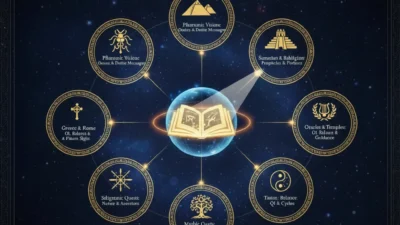
Cultural dream traditions refer to the beliefs, rituals, and interpretations surrounding dreams in various societies. From tribal shamans to Eastern philosophers, every culture has its own unique way of understanding what dreams represent and how they should be used in daily life.
Dreams have often been seen as:
- Messages from ancestors or spirits
- Warnings or prophecies about the future
- Reflections of emotional or spiritual states
- Symbols for moral or social guidance
In short, dream traditions act as a bridge between the visible and invisible worlds, guiding people through choices, relationships, and spiritual journeys.
Why Cultural Dream Traditions Matter in 2025
In today’s fast-paced digital age, dreams offer something deeply human — a connection to intuition, history, and meaning.
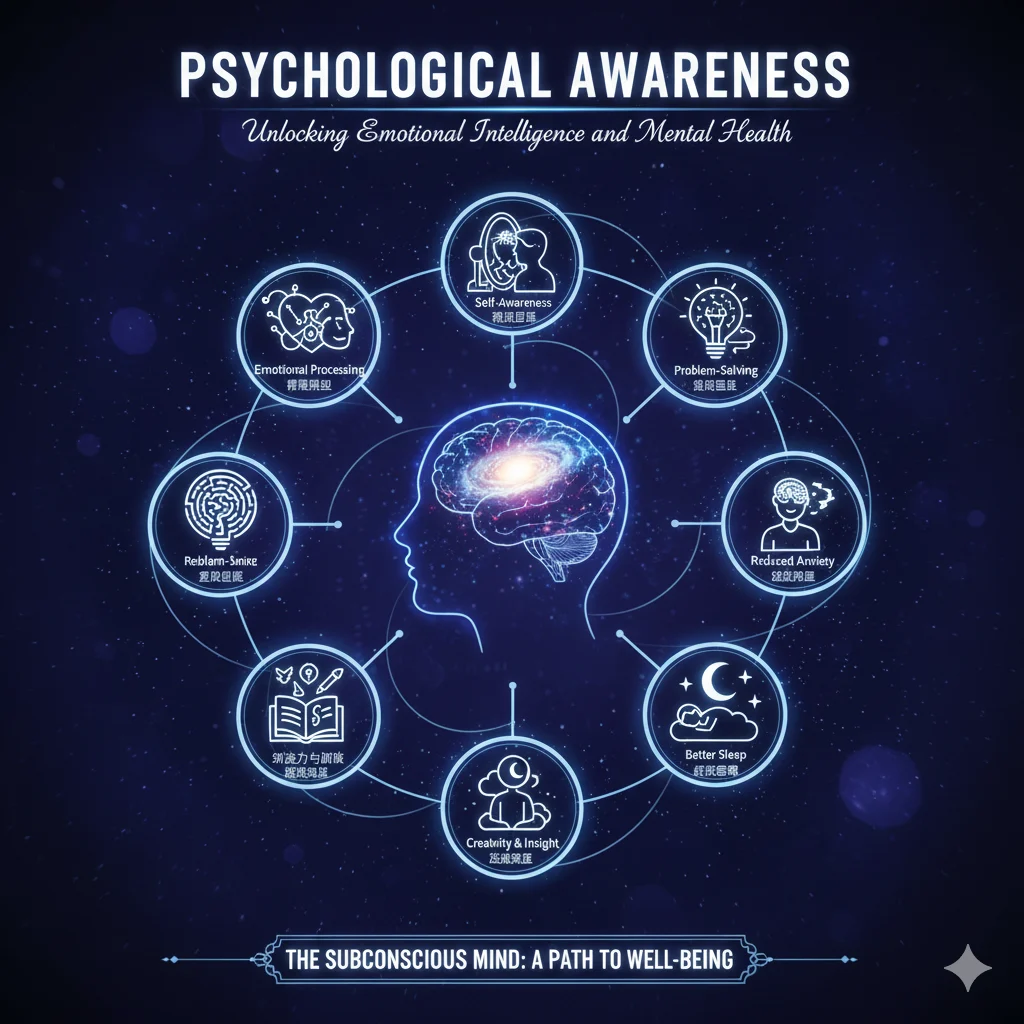
Here’s why studying dream traditions is important today:
- 🧠 Psychological Awareness – Understanding dreams can enhance emotional intelligence and mental health.
- 🌏 Cultural Appreciation – They teach us how different societies perceive consciousness and spirituality.
- 💫 Personal Growth – Dream interpretation fosters mindfulness and self-reflection.
- 🔮 Modern Spirituality – Many people now combine ancient dream practices with digital tools and therapy for holistic healing.
In essence, dream traditions connect ancient wisdom with modern understanding — a perfect blend for 2025’s conscious and connected world.
A Global Tour of Cultural Dream Traditions
1. Native American Dream Traditions
Native Americans view dreams as messages from the spirit world. Shamans often interpret them to offer guidance or healing. The famous dreamcatcher, originally from the Ojibwa tribe, was believed to trap bad dreams and allow good ones to pass through.
Key Beliefs:
- Dreams are sacred communications.
- Animals appearing in dreams carry symbolic meanings.
- Morning dream-sharing rituals strengthen community bonds.
2. Chinese Dream Traditions
In traditional Chinese culture, dreams have long been seen as reflections of the soul’s travels. Ancient texts like the Zhougong Jie Meng (Book of Duke of Zhou’s Dream Interpretations) still influence how dreams are analyzed today.
Common Concepts:
- Dreams link the physical and spiritual realms.
- Certain dreams predict luck or prosperity.
- Dream dictionaries help decode symbols such as water (wealth) or bridges (transitions).
3. African Dream Traditions
Across Africa, dreams are intertwined with ancestor communication. Elders and healers often interpret them to reveal moral or spiritual truths.
Core Elements:
- Dreams are spiritual guidance tools.
- Shared dreams strengthen tribal identity.
- Rituals may follow significant dreams to restore balance.
4. Islamic Dream Traditions
Islamic dream interpretation, inspired by scholars like Ibn Sirin, views dreams as potential divine messages.
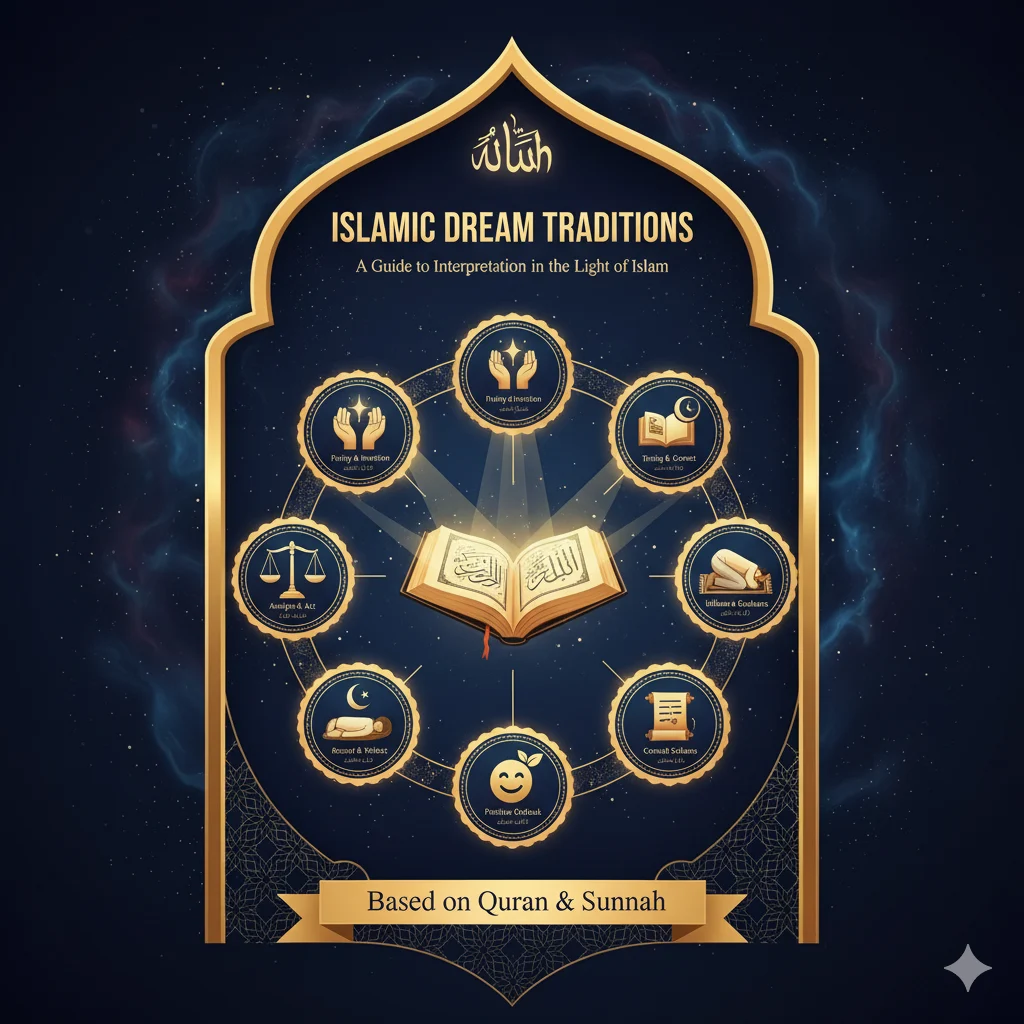
Three Types of Dreams in Islamic Culture:
- True dreams from Allah
- Dreams from the self reflecting thoughts
- Dreams from Shaytan (Satan) meant to confuse
Even in 2025, many Muslims use dream interpretation as a form of spiritual introspection.
5. Japanese Dream Traditions
In Japan, dreams (yume) are deeply symbolic. The first dream of the year (hatsuyume) is especially important — seeing Mount Fuji or a hawk is considered lucky.
Japanese Dream Beliefs:
- Dreams can reveal fate and moral lessons.
- Certain talismans protect dreamers from nightmares.
- Dream-sharing promotes harmony and awareness.
6. Ancient Egyptian Dream Traditions
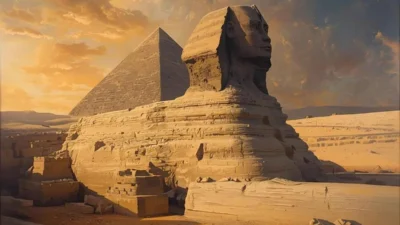
The Egyptians were among the first to document dreams, believing them to be messages from the gods. They kept “dream books” to record symbols and their meanings.
Examples:
- Water symbolized purification.
- Snakes represented transformation.
- Temples had priests specializing in dream interpretation.
The Universal Symbolism of Dreams
Despite cultural differences, many symbols recur globally — showing a shared human psyche.
| Symbol | Common Meaning Across Cultures |
|---|---|
| Water | Emotion, cleansing, renewal |
| Flying | Freedom, spiritual awakening |
| Snakes | Change, danger, or wisdom |
| Falling | Loss of control or humility |
| Death | Transformation or rebirth |
| Animals | Instincts, power, or guides |
How to Interpret Dreams Using Cultural Wisdom
Learning from global dream traditions can enrich your personal understanding. Here’s how you can start:
Step 1: Keep a Dream Journal
Write down dreams immediately upon waking. Include feelings, symbols, and colors — these details often hold meaning in traditional interpretations.
Step 2: Identify Recurring Themes
Notice if specific people, animals, or actions appear repeatedly. They often reflect ongoing life lessons.
Step 3: Connect to Your Cultural Roots
Explore your ancestry’s dream practices. For example, Native American, Celtic, or Hindu dream beliefs might offer personal insights tied to your heritage.
Step 4: Use Modern Tools
In 2025, AI-assisted dream journals and interpretation apps can help analyze recurring symbols. Use them alongside traditional wisdom for balanced understanding.
Step 5: Reflect, Don’t Overanalyze
Dreams are symbolic, not literal. Combine emotion, intuition, and context for deeper meaning.
Common Mistakes in Dream Interpretation (and How to Avoid Them)
- Taking Dreams Literally: Most dreams use metaphorical language.
- Ignoring Emotions: The feeling you wake up with often holds the true clue.
- Over-relying on Dream Dictionaries: Meanings differ across cultures.
- Neglecting Context: A snake may mean wisdom in one culture, danger in another.
- Forgetting Dreams Quickly: Keep your phone or notebook nearby to record instantly.
Dream Practices and Trends in 2025
Modern dream analysis combines ancient spirituality with cutting-edge technology.
Trending Practices:
- AI Dream Analyzers: Use algorithms to identify recurring patterns.
- Lucid Dreaming Workshops: Help you control dreams consciously.
- Cross-Cultural Dream Circles: Online communities sharing interpretations globally.
- Virtual Reality Dream Simulators: Recreate dream experiences for therapy or self-reflection.
This blend of digital innovation and ancient wisdom shows how humanity is reimagining dream exploration in the modern era.
Expert Tips for Meaningful Dream Interpretation
- 🌙 Trust your intuition: Your subconscious often speaks in personal symbols.
- 🕊️ Respect cultural differences: Symbol meanings evolve across regions and beliefs.
- ✍️ Document consistently: Journaling enhances dream recall accuracy.
- 🪶 Discuss with mentors or spiritual guides: Shared insights deepen understanding.
- 🔮 Use balance: Combine science (sleep psychology) and spirituality for holistic insight.
Real-Life Example – The Shared Dream Phenomenon
In 2025, psychologists and cultural anthropologists have noted increasing cases of shared or collective dreaming—especially within online dream communities.
Example:
A global dream circle reported similar dreams about climate-related disasters before major real-world events. Many interpret this as a collective subconscious response to global anxiety — blending ancient tribal wisdom with modern psychology.
This example reflects how dream traditions remain alive, adapting to our shared 21st-century consciousness.
FAQs About Cultural Dream Traditions
Q1: Are dream meanings the same in all cultures?
No. Symbols differ — water may mean prosperity in one culture but danger in another. Always consider cultural and emotional context.
Q2: Can technology really help interpret dreams?
Yes. Modern AI apps can identify recurring patterns, but emotional and cultural understanding must still come from human reflection.
Q3: Why do I forget dreams so quickly?
Your brain shifts from REM sleep to wakefulness rapidly. Writing dreams immediately helps preserve memory.
Q4: What’s the benefit of sharing dreams?
Sharing builds community, empathy, and collective awareness — echoing ancient tribal dream-sharing practices.
Q5: Are nightmares culturally significant?
Yes. Many cultures see nightmares as warnings, emotional releases, or signs of imbalance that need attention or ritual cleansing.
Conclusion
Dreams are a timeless bridge between the seen and unseen — carrying whispers from our subconscious, ancestors, and shared human psyche.
In 2025, as cultures reconnect and technology evolves, cultural dream traditions offer us a meaningful way to understand ourselves and others. Whether you keep a dream journal, join a dream circle, or explore ancient texts, you’re engaging in one of humanity’s oldest and most beautiful quests — the search for meaning within our dreams.
✨ Tonight, pay attention to your dreams — they might just be telling a story older than you imagine.
🧭 Key Takeaways
- Dream traditions vary but share universal symbols.
- In 2025, blending culture and technology enhances dream understanding.
- Respect cultural interpretations and emotional context.
- Use both scientific and spiritual approaches for holistic insight.