

Have you ever wondered why dreams play such a powerful role in the Bible — and what they still mean today? Throughout history, biblical dreams have served as divine channels through which God revealed guidance, prophecy, and deep spiritual truths. Even in 2025, these ancient visions continue to inspire curiosity and reflection among believers, historians, and psychologists alike.
From Joseph’s prophetic dreams in Egypt to Daniel’s apocalyptic visions, the stories remind us that dreams are not random — they’re messages, sometimes coded, always purposeful. This guide explores the history, meaning, and modern relevance of biblical dreams, helping you interpret their wisdom for your own spiritual journey.
What Are Biblical Dreams?
Biblical dreams are nighttime visions recorded in the Scriptures — instances where God communicated directly with humans through symbolic imagery, parables, or direct messages. In ancient times, these dreams carried divine authority and often shaped historical events.
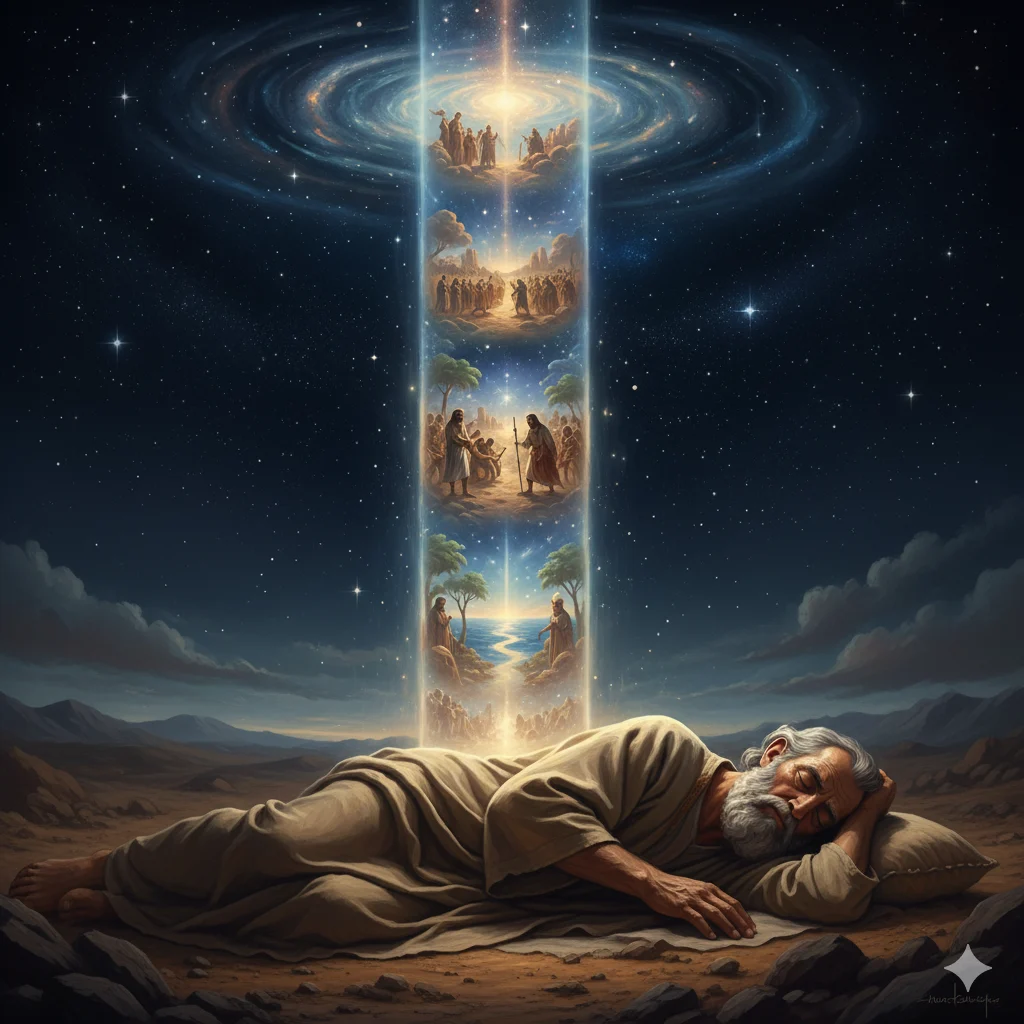
For example:
- Abraham was warned in a dream about his descendants’ future.
- Joseph, son of Jacob, foresaw his destiny as a leader.
- Daniel interpreted the mysterious dreams of kings.
- Mary’s husband, Joseph, received angelic messages through dreams about protecting baby Jesus.
In essence, biblical dreams represent the intersection between divine revelation and human consciousness — a space where heaven meets the subconscious mind.
The Historical Importance of Dreams in the Bible
Dreams were not merely personal experiences in the biblical era; they influenced nations, kings, and prophetic destinies.
| Dream Example | Person | Message or Impact |
|---|---|---|
| Pharaoh’s dreams of cows and grain | Interpreted by Joseph | Predicted famine and prosperity in Egypt |
| Jacob’s ladder | Jacob | Symbolized God’s promise and connection between Heaven and Earth |
| Nebuchadnezzar’s statue dream | Interpreted by Daniel | Revealed future world empires |
| Joseph’s dream of Mary | Joseph (New Testament) | Guided him to protect Jesus and Mary |
These stories show that dreams often acted as spiritual roadmaps, guiding individuals and shaping biblical history.
Symbolism in Biblical Dreams
Dreams in the Bible were filled with symbols — objects, animals, or events carrying deeper meanings. Recognizing these symbols helps interpret what God may be revealing.
Common Biblical Dream Symbols:
- Water: Spiritual cleansing or renewal
- Mountains: Obstacles or divine presence
- Animals (like lions or sheep): Courage, humility, or sacrifice
- Light: Revelation, truth, or divine guidance
- Darkness: Confusion, temptation, or hidden sin
For example, Joseph’s dream of the sun, moon, and stars bowing to him (Genesis 37:9) was a symbolic representation of his family’s future submission — not literal celestial movement.
Why Biblical Dreams Still Matter in 2025
In today’s fast-paced, tech-driven world, many people overlook the spiritual depth of dreams. Yet, interest in biblical dream interpretation has grown again — especially with the rise of spirituality-focused apps, online dream journals, and AI-based dream analyzers.
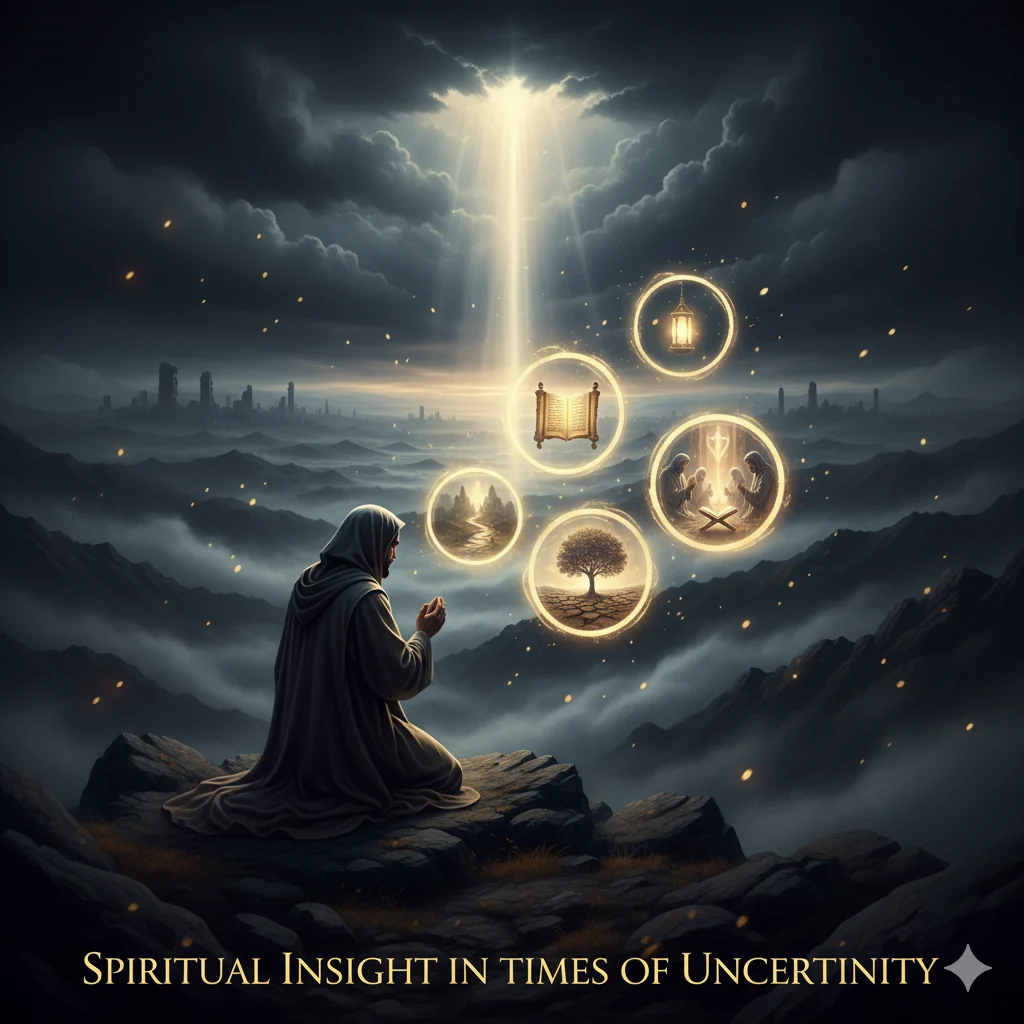
Here’s why biblical dreams remain relevant:
- They provide spiritual insight in times of uncertainty.
- They help people understand God’s will and moral guidance.
- They encourage personal reflection and emotional healing.
- They remind us that divine communication transcends time and culture.
Even modern psychologists find value in analyzing biblical dreams as expressions of inner faith, fears, and transformation — bridging science and spirituality.
How to Interpret Biblical Dreams (Step-by-Step Guide)
Understanding a biblical dream requires patience, prayer, and discernment. Here’s a practical 2025-friendly approach:
Step 1: Record the Dream Immediately
Write it down as soon as you wake up — include every symbol, emotion, and detail.
Step 2: Pray for Guidance
Ask God for wisdom to understand the message. Biblical interpretation always begins with spiritual humility.
Step 3: Identify Key Symbols
Look for repeating symbols or themes — water, fire, light, animals, numbers, etc. Then, compare them with biblical references (e.g., water = cleansing, serpent = deception).
Step 4: Study Context
Read the surrounding Bible passages or characters involved in similar dreams. For instance, Daniel’s dreams often used metal and beasts to represent kingdoms.
Step 5: Reflect on Your Current Life
Ask, “Is God showing me something about my decisions, faith, or relationships?” Biblical dreams often mirror your spiritual condition.
Step 6: Seek Wise Counsel
If unclear, talk to a pastor, biblical scholar, or prayer partner who understands scriptural interpretation.
Step 7: Wait for Confirmation
Never rush to conclusions. True biblical messages align with scripture, peace, and purpose, not fear or confusion.
Modern Examples: How People Experience Biblical Dreams Today
In 2025, many believers share testimonies of dreams that reflect biblical patterns — offering reassurance, correction, or calling.

Example 1: A woman dreams of walking through a desert but finding a spring — later realizing it symbolized God’s provision during her financial struggles.
Example 2: A pastor dreams of a storm calming after prayer — interpreting it as peace following church conflict.
Example 3: A young man repeatedly dreams of a locked door opening — which he connects with a long-awaited job opportunity.
Such dreams, though personal, reflect the same divine principles seen in Scripture: direction, timing, and faith.
Common Mistakes in Interpreting Biblical Dreams
Even well-meaning believers can misinterpret dreams. Here are some pitfalls to avoid:
- ❌ Taking dreams too literally – Most biblical dreams are symbolic, not direct instructions.
- ❌ Ignoring emotional tone – How you felt in the dream often reveals its deeper message.
- ❌ Using fear-based interpretations – True divine messages bring clarity, not panic.
- ❌ Overanalyzing every detail – Focus on the main theme or symbol.
- ❌ Forgetting scripture context – A dream’s meaning should align with biblical truth, not contradict it.
Practical Tips for Understanding Biblical Dreams
✅ Keep a faith-based dream journal — note symbols, dates, and interpretations.
✅ Use Bible concordances or digital study tools to cross-reference symbols.
✅ Compare your dreams with biblical characters facing similar challenges.
✅ Discuss recurring dreams with spiritual mentors or communities.
✅ Reflect on how your dream encourages spiritual growth, repentance, or obedience.
Biblical Dream Trends in 2025
Dream exploration has evolved in fascinating ways — blending ancient wisdom with modern technology.
🔹 AI Dream Analysis Apps
Several Christian-based platforms now analyze dreams using AI trained on biblical symbolism databases, offering automated scriptural insights.
🔹 Virtual Bible Studies
Online Bible groups discuss prophetic dreams, connecting believers globally to share interpretation experiences.
🔹 Psychospiritual Research
Modern psychologists explore how faith-based dream recall improves emotional wellness and mental peace.
🔹 Digital Journaling
Apps with encryption features allow users to securely record divine dreams, reinforcing privacy and continuity in interpretation.
These trends show how technology is helping believers engage spiritually, making ancient revelations more accessible in the digital age.
Cultural and Historical Context of Dream Interpretation
Ancient civilizations — Egyptian, Babylonian, and Hebrew — all valued dreams as messages from the gods. However, the biblical worldview uniquely emphasized that dreams come only from the one true God, offering divine truth rather than superstition.
In the Old Testament, dream interpretation was considered a prophetic gift. By the New Testament, dreams were still vital — guiding apostles and revealing divine missions. This transition highlights that, even as societies changed, dreams remained a divine communication tool for those walking in faith.
FAQs: Understanding Biblical Dreams
1. Are all dreams from God?
Not necessarily. Some dreams come from daily stress or emotions. Biblical dreams carry peace, alignment with Scripture, and often repeated confirmation.
2. What’s the difference between a biblical and ordinary dream?
Biblical dreams have symbolic or spiritual meaning that aligns with divine purpose — not random subconscious imagery.
3. Can non-believers have biblical dreams?
Yes. Examples like Pharaoh and Nebuchadnezzar show that God can communicate with anyone for His greater plan.
4. How do I know if my dream has a message?
If it feels spiritually significant, emotional, or persistent — write it down, pray, and compare it with biblical principles.
5. Are numbers important in biblical dreams?
Absolutely. Numbers like 7 (completion), 3 (divinity), and 40 (testing) frequently appear in scriptural dream patterns.
6. Should I act on a dream immediately?
Wait for confirmation through prayer, Scripture, and wise counsel before taking action.
Key Takeaways
- Biblical dreams in history reveal divine messages that shaped nations and individuals.
- They use symbolism to express truths that transcend time.
- In 2025, modern believers continue to find meaning through digital tools and prayerful reflection.
- True biblical dreams always align with God’s Word, peace, and purpose.
- By recording and discerning your dreams, you can uncover powerful insights into your faith journey.
Conclusion
From ancient prophets to modern believers, biblical dreams in history have carried timeless messages — of hope, warning, and transformation. In a world flooded with data and distraction, these sacred dreams remind us that divine communication is still personal and alive.
As you navigate your own spiritual path in 2025, take time to listen, reflect, and trust what God might be showing you — even in your sleep. Dreams may be mysterious, but their purpose is always to bring light, guidance, and renewed faith. 🌙

“Clara Whitmore, a dream psychology writer at DreamyDrug.com, explores emotional symbols and subconscious patterns to help readers understand their night visions.”