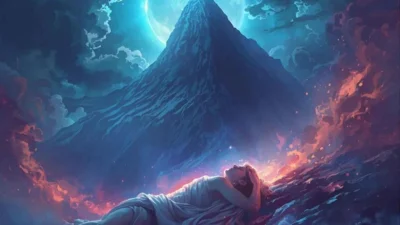
Have you ever woken up from a dream that felt more real than reality itself?
In the quiet hours of the night, ancient Egyptians believed those moments weren’t random—they were messages from the gods.
Ancient Egypt dream interpretation wasn’t just a mystical curiosity; it was a sacred science that guided pharaohs, priests, and everyday people alike. In 2025, as modern psychology and spirituality blend more than ever, revisiting the dream world of ancient Egypt offers profound insight into how consciousness, symbolism, and divine messages shape our modern lives.
Dreams, to the ancient Egyptians, were doorways between worlds—bridging the seen and unseen, the physical and spiritual, the mortal and divine.
What Is Ancient Egypt Dream Interpretation?
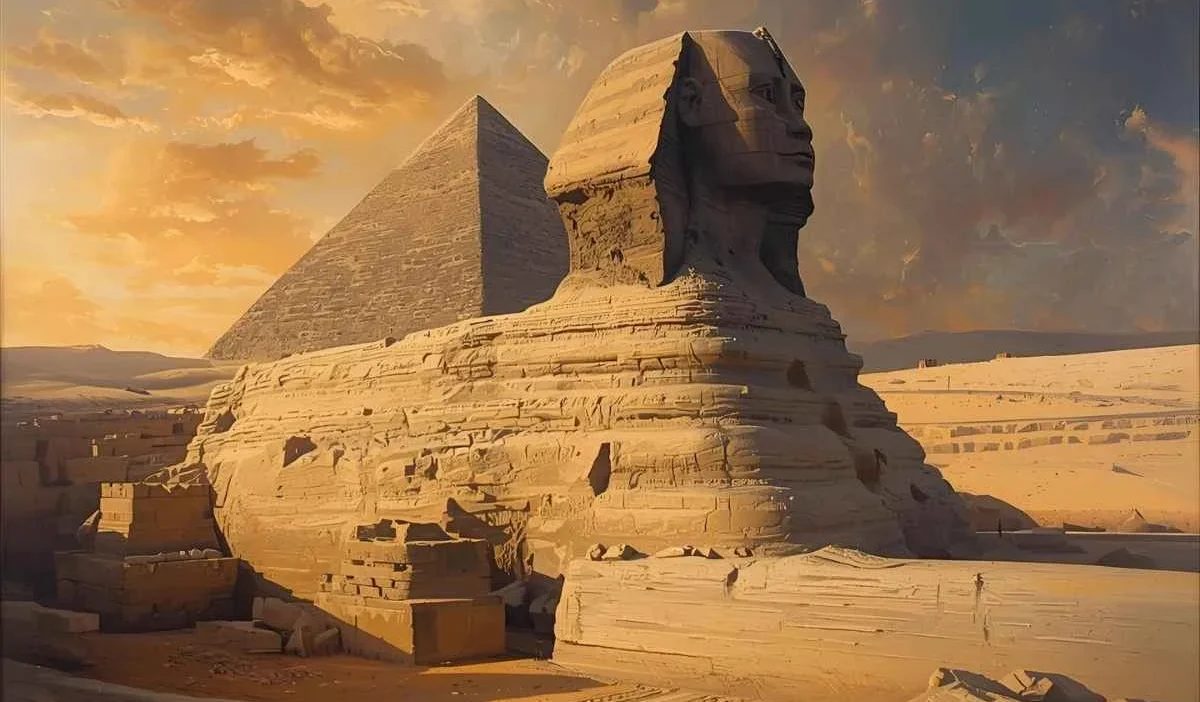
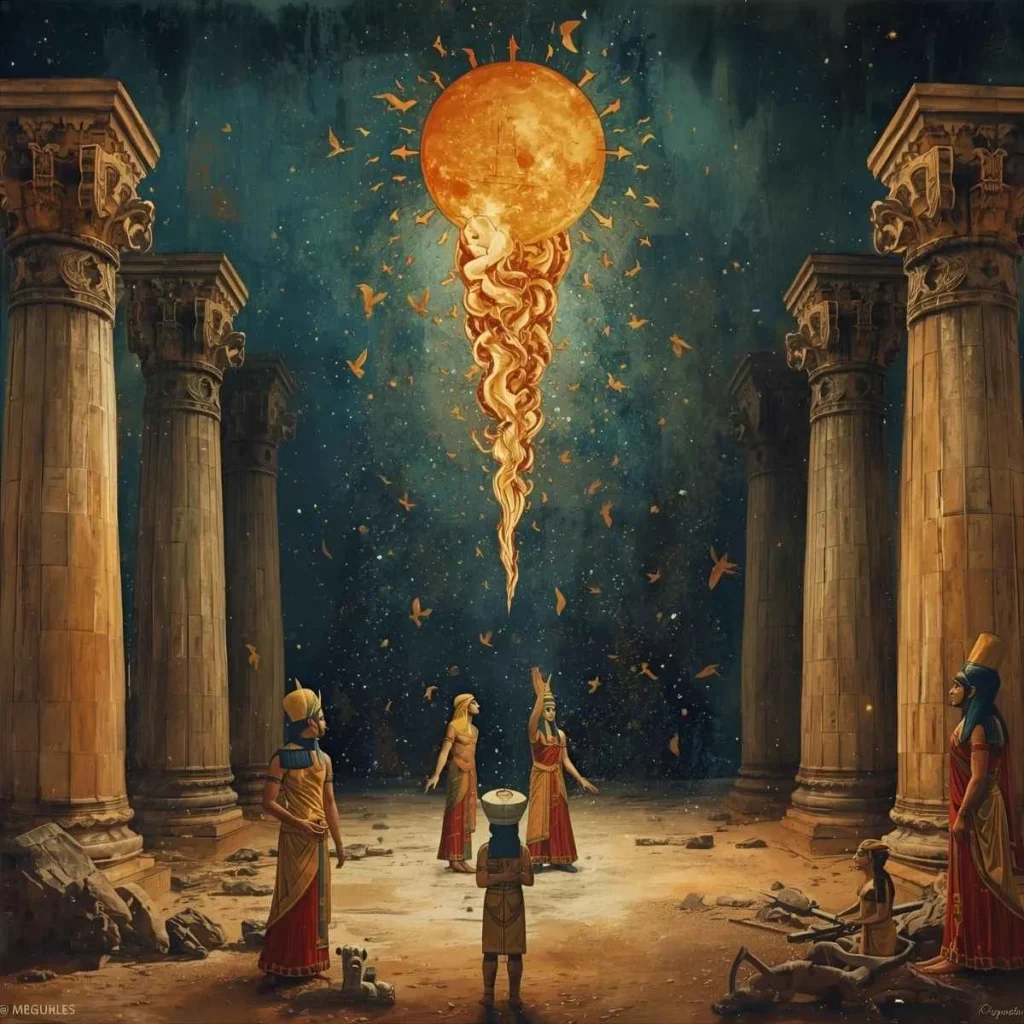
In ancient Egyptian culture, dreams were considered direct communications from gods, ancestors, or supernatural forces. Temples often served as “dream sanctuaries,” where priests would perform rituals to induce prophetic dreams.
This practice, known as “incubation,” involved sleeping within sacred spaces like the Temple of Serapis or Imhotep, inviting divine visions for healing, guidance, or prophecy.
Egyptians didn’t just dream—they listened.
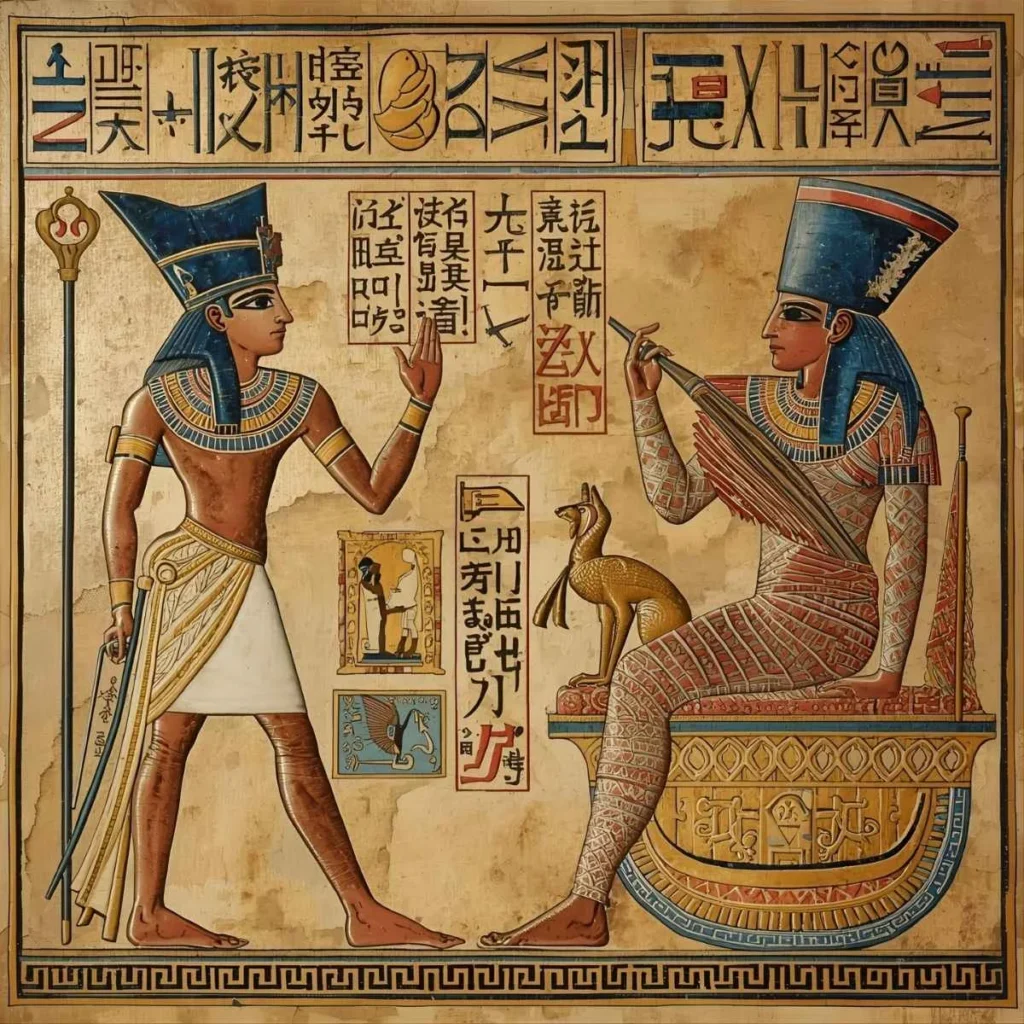
Dream interpretation was both an art and a form of divine consultation. Papyrus scrolls, such as the famous Chester Beatty Papyrus, documented hundreds of dream symbols, offering guidance for understanding whether a dream foretold good fortune or danger.
The Significance of Dreams in Ancient Egyptian Life
For ancient Egyptians, dreams weren’t just subconscious imagery—they were sacred texts written by the divine hand. Here’s how dreams influenced their daily lives:
In short, dreams shaped destiny. The Egyptians trusted the night as much as the day.
Dream About Winning Lottery: Meaning and Life Lessons in 2025
Common Dream Symbols and Their Meanings in Ancient Egypt
Let’s explore some of the most common dream motifs found in Egyptian texts—and what they might reveal even today.
| Dream Symbol | Ancient Egyptian Meaning | Modern Interpretation |
|---|---|---|
| Water | Cleansing, renewal, passage between worlds | Emotional release, intuition, spiritual cleansing |
| Snake | Dual symbol: divine energy or danger | Transformation, hidden fear, rebirth |
| Sun | Ra’s favor and illumination | Enlightenment, success, spiritual awakening |
| Bird | Soul’s freedom or divine message | Communication, inspiration, transcendence |
| Scarab Beetle | Resurrection and protection | Renewal, creativity, protection from negativity |
| Death | Transition, not finality | Change, ending of one phase, rebirth |
Even in 2025, these ancient symbols resonate deeply—revealing universal truths about human emotion, transformation, and hope.
How to Interpret Dreams the Ancient Egyptian Way (Step-by-Step)
Want to experience dream interpretation like an ancient Egyptian? Here’s a step-by-step modern adaptation:
Step 1: Create a Sacred Sleep Space
The Egyptians valued ritual. Cleanse your bedroom using natural scents like frankincense or myrrh. Consider adding symbols of protection (like the Eye of Horus) near your bed.
Step 2: Set Your Intention
Before sleep, speak a simple invocation such as:
This mirrors the Egyptian practice of seeking messages from deities.
Step 3: Record Immediately
Keep a “Dream Papyrus” (your modern dream journal) beside your bed. Record everything—the emotions, colors, and symbols.
Step 4: Decode the Symbols
Compare your dream imagery to ancient Egyptian meanings. Ask: Is this dream a message, a warning, or a reflection of my soul?
Step 5: Reflect and Act
Dreams were considered incomplete unless acted upon. Egyptians often performed small rituals or offerings after a powerful dream to honor the message received.
The Spiritual and Psychological Benefits of Dream Interpretation
Even in the age of neuroscience and AI, ancient Egypt dream interpretation holds relevance. Here’s why:
- Emotional Healing – Understanding dreams helps release repressed emotions, offering peace and clarity.
- Spiritual Growth – Dreams bridge your inner and higher self, encouraging mindfulness and purpose.
- Self-Awareness – Recognizing recurring symbols can reveal hidden fears or desires.
- Decision-Making – Ancient Egyptians used dreams to guide choices. You can, too, by trusting your intuition.
- Stress Relief – Writing or reflecting on dreams can ease anxiety and promote better sleep quality.
Dream interpretation isn’t superstition—it’s self-discovery wrapped in ancient wisdom.
Mistakes to Avoid When Interpreting Dreams
Even the most skilled dream interpreters can make errors. Here are the common pitfalls—and how to avoid them:
- ❌ Taking symbols literally: Ancient Egyptians viewed symbols as metaphors, not predictions.
- ❌ Ignoring emotion: The feeling tone of a dream often carries more meaning than the imagery itself.
- ❌ Rushing interpretation: Give your subconscious time to reveal the message over days, not minutes.
- ❌ Using dream books blindly: Use symbolic guides as inspiration, not absolute truth.
- ✅ Trust your inner wisdom: You are the ultimate interpreter of your dreams.
Modern Trends in Dream Interpretation (2025 Perspective)
Dream analysis has evolved from temples to technology—but the essence remains unchanged.
🌙 Digital Dream Journals
Apps like “DreamKeeper AI” or “LucidLink” help analyze dream themes using AI, cross-referencing ancient symbolism with modern psychology.
🔮 Hybrid Spiritual Psychology
Therapists now combine Jungian analysis with Egyptian dream archetypes, recognizing the shared patterns in human consciousness.
🧘 Holistic Dream Therapy
2025 wellness retreats integrate dream yoga, sound therapy, and Egyptian rituals to reconnect body and spirit through dreams.
📚 Academic Revival
Universities and museums are digitizing ancient papyri, translating new dream texts that were once inaccessible to the public.
In short, ancient dream wisdom isn’t lost—it’s being reborn through modern science and spirituality.
Ancient Egypt’s Influence on Modern Dream Theory
The roots of dream analysis trace back to Egypt long before Freud or Jung. Here’s how it connects:
- Freud’s “Royal Road” to the unconscious mirrors Egyptian belief that dreams reveal the soul’s truth.
- Jung’s Archetypes echo the Egyptian concept of universal symbols shared across humanity.
- Spiritual Psychology continues the Egyptian principle that every dream is both divine and personal.
The dream world, in essence, is humanity’s oldest classroom.
Expert Tips for Meaningful Dream Interpretation (Ancient Wisdom for Modern Souls)
- Keep a Consistent Sleep Ritual: Egyptians practiced sacred bedtime routines to invite clarity.
- Notice Recurring Symbols: Repeated imagery indicates spiritual messages or unresolved emotions.
- Practice Morning Reflection: Before checking your phone, reflect on your dream’s emotion and imagery.
- Seek Patterns, Not Predictions: Look for emotional or symbolic patterns rather than fortune-telling.
- Integrate the Lesson: Apply dream insights to real life—this is where transformation happens.
FAQs About Ancient Egypt Dream Interpretation
1. Did ancient Egyptians believe all dreams were divine?
Mostly yes. They believed dreams were messages from gods, though some were influenced by spirits or the sleeper’s own heart.
2. Who interpreted dreams in ancient Egypt?
Priests, healers, and scribes known as “dream interpreters” served temples, offering insight based on sacred dream books.
3. Are ancient Egyptian dream meanings still relevant today?
Absolutely. Their symbolism reflects universal human experiences—rebirth, fear, love, transformation—that transcend time.
4. What if I have a recurring dream about water or snakes?
In Egyptian terms, water means purification and renewal, while snakes represent transformation or divine energy—depending on context.
5. Can I combine Egyptian dream meanings with modern psychology?
Yes! This fusion often creates the most balanced interpretation, honoring both ancient wisdom and modern understanding.
Key Takeaways
- Dreams in ancient Egypt were viewed as sacred communications from divine realms.
- Egyptian symbols (water, snakes, birds, etc.) still hold deep spiritual relevance today.
- Modern tools in 2025—AI apps, digital dream journals, holistic retreats—are reviving this ancient wisdom.
- True dream interpretation is not fortune-telling—it’s soul-listening.
Conclusion: Awakening the Pharaoh Within Your Dreams 🌙
As you close your eyes tonight, remember: your dreams are not random flickers of imagination—they are your soul’s ancient language.
Ancient Egypt dream interpretation teaches us that dreams are bridges—between the self you are and the self you are becoming.
In 2025, as we blend technology with timeless wisdom, perhaps it’s time to listen again—to sleep not just for rest, but for revelation.
Your next dream may not only echo the whispers of ancient Egypt—it may reveal the destiny written on the walls of your own soul.

“Julian Rowe, a dream symbol researcher at DreamyDrug.com, explains spiritual messages, emotional visions, and subconscious patterns through clear, calming insights.”